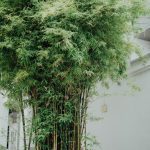
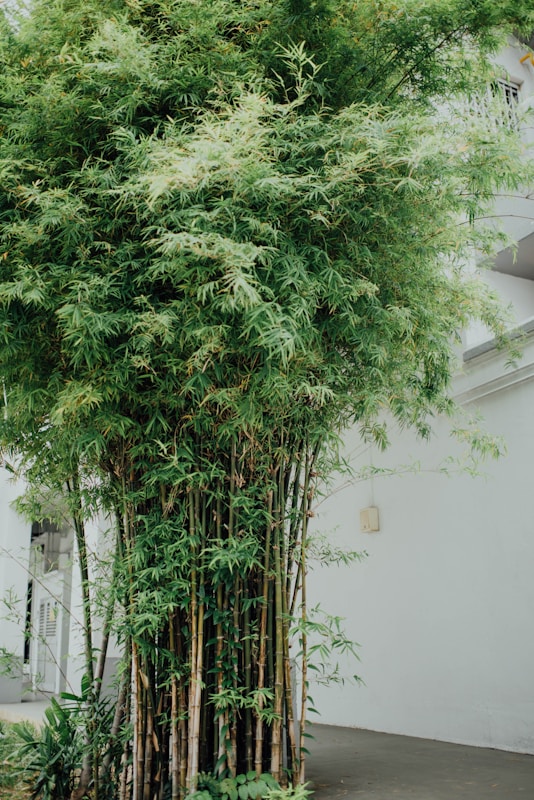
Easy Bamboo Growing Tips for a Healthier, Greener Space
Have you ever wondered how to grow your own bamboo plant at home?
Many people think bamboo is hard to maintain, but in reality, it’s one of the easiest plants to grow — even for beginners! Whether you want to create a relaxing green corner, add natural décor to your home, or enjoy its air-purifying benefits, bamboo is a perfect choice.
Why Grow Bamboo at Home?
Bamboo isn’t just an ornamental plant; it’s a symbol of luck, strength, and prosperity. In Asian culture, bamboo represents resilience — the ability to stay strong and flexible even in challenging times.
Growing bamboo at home doesn’t only enhance your space aesthetically but also improves indoor air quality. The plant absorbs toxins like formaldehyde and carbon dioxide while releasing oxygen, helping you breathe cleaner air every day.
Besides, bamboo is an excellent natural humidifier and can create a calming, tropical atmosphere — perfect for relaxation and stress relief.
Choosing the Right Bamboo for Beginners
When starting your bamboo-growing journey, the first step is to select the right type of bamboo. There are two main kinds:
- Clumping Bamboo (Sympodial) – Grows slowly and in tight clusters, ideal for pots and small gardens.
- Running Bamboo (Monopodial) – Spreads quickly through underground rhizomes, great for outdoor landscaping but can become invasive if not managed properly.
For beginners, clumping bamboo is the best option. It’s easy to control, requires minimal maintenance, and can thrive in containers.
Some popular beginner-friendly varieties include:
- Bambusa vulgaris (Common Bamboo)
- Bambusa multiplex (Hedge Bamboo)
- Bambusa ventricosa (Buddha’s Belly Bamboo)
- Lucky Bamboo (Dracaena sanderiana) – Actually not true bamboo but a great indoor decorative plant.
Ideal Growing Conditions for Bamboo Plants
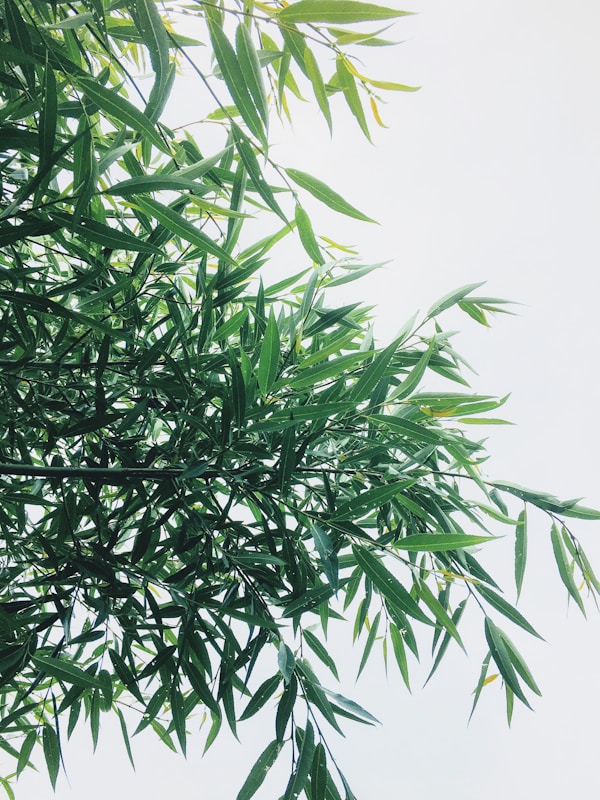
Bamboo is surprisingly adaptable, but it grows best when its environment mimics the tropics — warm, humid, and bright. Here’s what it needs to thrive:
Light Requirements
Bamboo loves bright, indirect sunlight. Place your pot near a window that gets at least 4–6 hours of light daily.
For outdoor planting, partial shade or filtered sunlight works best.
Watering
Bamboo likes moisture but not soggy roots. Keep the soil evenly moist by watering once or twice a week.
For indoor bamboo, use distilled or filtered water if possible — especially for Lucky Bamboo, which is sensitive to chlorine and fluoride.
Temperature
Ideal temperature range: 18°C–32°C (65°F–90°F).
Avoid exposing the plant to cold drafts or direct heat sources like air conditioners or heaters.
Soil Type
Use well-draining, loamy soil rich in organic matter. You can mix garden soil with compost and perlite or sand for better aeration.
Humidity
Bamboo thrives in humidity. If you live in a dry climate, mist the leaves occasionally or place a small humidifier nearby.
How to Plant Bamboo at Home
Here’s a simple step-by-step guide to get you started:
Step 1: Choose a Container
Pick a wide, sturdy pot with drainage holes. Bamboo’s roots grow quickly, so give them enough space to spread.
Step 2: Prepare the Soil
Fill the container with a mix of garden soil, compost, and sand (in a 2:1:1 ratio). This ensures good drainage and nutrients.
Step 3: Plant the Bamboo
Gently place the bamboo plant in the pot, covering the roots with soil. Water thoroughly after planting.
Step 4: Placement
Keep your bamboo in a bright area but away from harsh, direct sunlight. For Lucky Bamboo in water, place it in a glass container with clean, filtered water and add small pebbles for support.
Step 5: Maintenance
Prune dry or yellow leaves regularly to keep your plant healthy. Replace the water in Lucky Bamboo every 7–10 days to prevent algae growth.
Fertilizing Bamboo Naturally
Bamboo plants benefit from light feeding during their growing season (spring and summer). You can use:
- Organic compost
- Liquid seaweed fertilizer
- A mild NPK fertilizer (balanced ratio 10-10-10)
Avoid over-fertilizing; too much nitrogen can lead to weak, floppy shoots. Natural compost and worm castings work great for home gardeners who prefer organic methods.
Common Problems and Simple Fixes
Even though bamboo is hardy, it can show signs of stress when neglected. Here are some quick troubleshooting tips:
| Problem | Possible Cause | Solution |
|---|---|---|
| Yellowing leaves | Overwatering or poor drainage | Reduce watering and check soil drainage |
| Dry, curling leaves | Low humidity or underwatering | Mist the plant or water more frequently |
| Brown tips | Fluoride or chlorine in tap water | Switch to filtered or rainwater |
| Slow growth | Lack of nutrients | Feed with organic fertilizer or compost |
Benefits of Having Bamboo Indoors
Growing bamboo indoors has several health and lifestyle benefits:
- Air Purification: Removes harmful toxins and improves oxygen levels.
- Stress Reduction: Its soothing greenery promotes relaxation and mental clarity.
- Aesthetic Appeal: Adds a minimalist, natural vibe to your home décor.
- Symbol of Luck: In Feng Shui, bamboo attracts positive energy and prosperity.
According to a NASA Clean Air Study, indoor plants like bamboo palm can effectively remove formaldehyde, benzene, and carbon monoxide from indoor air — improving your overall well-being.
Creative Ideas for Using Bamboo at Home
- Place Lucky Bamboo on your work desk for good energy and calmness.
- Use potted bamboo as a natural room divider or balcony accent.
- Incorporate bamboo shoots in your garden design for a tropical look.
- Create a mini indoor bamboo zen garden with pebbles, water, and candles.
These little touches can instantly elevate your living space and bring you closer to nature.
Conclusion: Start Your Bamboo Journey Today
Bamboo is more than just a plant — it’s a living symbol of peace, growth, and resilience. With just a bit of sunlight, water, and care, you can enjoy this graceful green beauty in your home or garden all year round.
Start small with a Lucky Bamboo or Bambusa multiplex, and watch how quickly your indoor space transforms into a calm, green retreat.
Call to Action:
Ready to bring good energy and greenery into your home? Try planting your own bamboo today!
Visit The Planttube Blog for more simple gardening guides, wellness tips, and plant-based living inspiration.
Authoritative sources: