
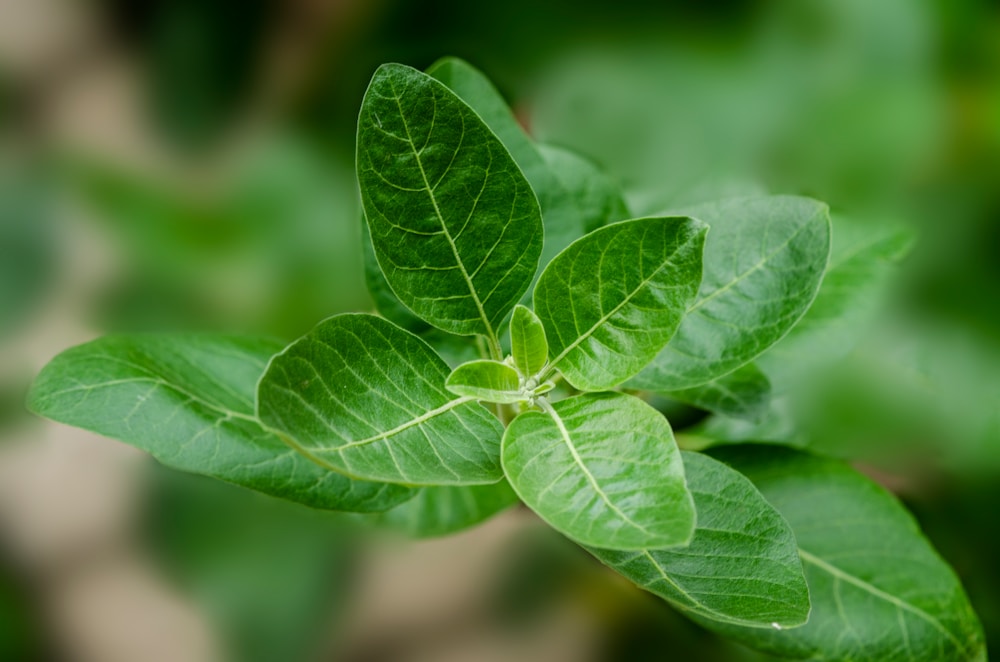
Did you know that Ashwagandha has been used in Ayurvedic medicine for over 3,000 years to promote strength, vitality, and longevity? Today, modern science is validating many of these traditional claims, making Ashwagandha one of the most researched medicinal herbs in the world.
In this article, we explore the medicinal uses of Ashwagandha, how it works, its proven health benefits, safe usage, and what science says about this powerful adaptogenic herb.
Table of Contents
What Is Ashwagandha (Withania somnifera)?
Ashwagandha, also known as Indian ginseng or winter cherry, is a medicinal plant widely used in Ayurveda. Its roots and leaves contain bioactive compounds called withanolides, which are responsible for its therapeutic effects.
Ashwagandha is classified as an adaptogen, meaning it helps the body adapt to physical, mental, and environmental stress.


Medicinal Uses of Ashwagandha
1. Reduces Stress and Anxiety Naturally
One of the most well-known medicinal uses of Ashwagandha is stress management.
How it works
- Lowers cortisol (stress hormone)
- Supports adrenal function
- Improves resilience to mental stress
Clinical studies show Ashwagandha supplementation can significantly reduce stress and anxiety symptoms.
2. Supports Better Sleep Quality
Ashwagandha has mild sedative properties that help calm the nervous system.
Sleep-related benefits
- Helps reduce insomnia
- Improves sleep onset and duration
- Enhances sleep quality without dependency
3. Boosts Immunity and Overall Vitality
Ashwagandha strengthens the immune system by enhancing white blood cell activity and reducing inflammation.
Key immune benefits
- Increases antioxidant activity
- Supports immune cell production
- Helps the body fight infections
This makes it particularly useful during seasonal illnesses.
4. Enhances Brain Function and Memory
Ashwagandha is traditionally used as a brain tonic.
Cognitive benefits include
- Improved memory and concentration
- Neuroprotective effects
- Reduced oxidative stress in brain cells
Research suggests Ashwagandha may support long-term brain health and reduce cognitive decline.
5. Supports Hormonal Balance and Reproductive Health
Ashwagandha plays a role in regulating hormones in both men and women.
For men
- Improves testosterone levels
- Enhances sperm quality and fertility
For women
- Helps manage hormonal stress
- Supports thyroid function
6. Helps Manage Blood Sugar Levels
Another important medicinal use of Ashwagandha is its potential role in blood sugar regulation.
Benefits
- Improves insulin sensitivity
- Reduces fasting blood glucose levels
- May support diabetes management when combined with lifestyle changes
7. Reduces Inflammation and Joint Pain
Ashwagandha’s anti-inflammatory properties help reduce pain and stiffness.
Common uses
- Arthritis relief
- Muscle recovery
- Joint mobility support
This makes it popular among older adults and physically active individuals.
How to Use Ashwagandha Safely
Common Forms
- Powder (root powder)
- Capsules or tablets
- Liquid extracts
- Ashwagandha tea
Recommended Dosage
- 300–600 mg of standardized extract per day
- Always follow product-specific instructions
Who Should Avoid Ashwagandha?
- Pregnant or breastfeeding women
- People with autoimmune conditions
- Those on thyroid or sedative medications (consult a doctor)
Scientific Evidence Supporting Ashwagandha
Several studies published by reputable institutions confirm Ashwagandha’s medicinal value.
Authoritative external links:
- National Center for Complementary and Integrative Health (NCCIH) – Ashwagandha Overview
- National Institutes of Health (NIH) – Adaptogenic Herbs Research
- World Health Organization (WHO) – Traditional Medicine Strategy
FAQs About Medicinal Uses of Ashwagandha
What is Ashwagandha mainly used for?
Ashwagandha is mainly used for stress reduction, improved sleep, immune support, and overall vitality.
Can Ashwagandha be taken daily?
Yes, Ashwagandha can be taken daily in recommended doses for long-term benefits.
How long does Ashwagandha take to work?
Most people notice benefits within 2–4 weeks of consistent use.
Is Ashwagandha safe for long-term use?
Studies suggest Ashwagandha is safe when used appropriately, but long-term use should be monitored by a healthcare professional.
Final Thoughts: Should You Use Ashwagandha?
The medicinal uses of Ashwagandha are supported by both ancient wisdom and modern science. From stress relief and better sleep to immune support and hormonal balance, this powerful herb offers a natural approach to holistic health.
Call to Action
Have you tried Ashwagandha before? Share your experience in the comments below.
For more science-backed insights on medicinal plants and natural remedies, explore more articles on The Planttube Blog and subscribe for regular updates.