For centuries, herbalists have valued chickweed (Stellaria media) as a gentle medicinal herb for supporting skin health, soothing inflammation, and providing essential nutrients. Although many people consider it a common garden weed, chickweed has earned a respected place in traditional herbal medicine around the world.
Today, growing interest in natural remedies has led more people to explore chickweed medicinal uses for everything from itchy skin to digestive support. While traditional use is extensive, it’s important to understand that scientific research is still developing, and chickweed should not replace professional medical treatment.
In this guide, you’ll learn the potential health benefits of chickweed, how to use it safely, what current research says, and who should avoid it.
Disclaimer: This article is for educational purposes only and should not be considered medical advice. Always consult your healthcare provider before using herbal remedies, especially if you are pregnant, breastfeeding, have underlying health conditions, or take prescription medications.

What Is Chickweed?
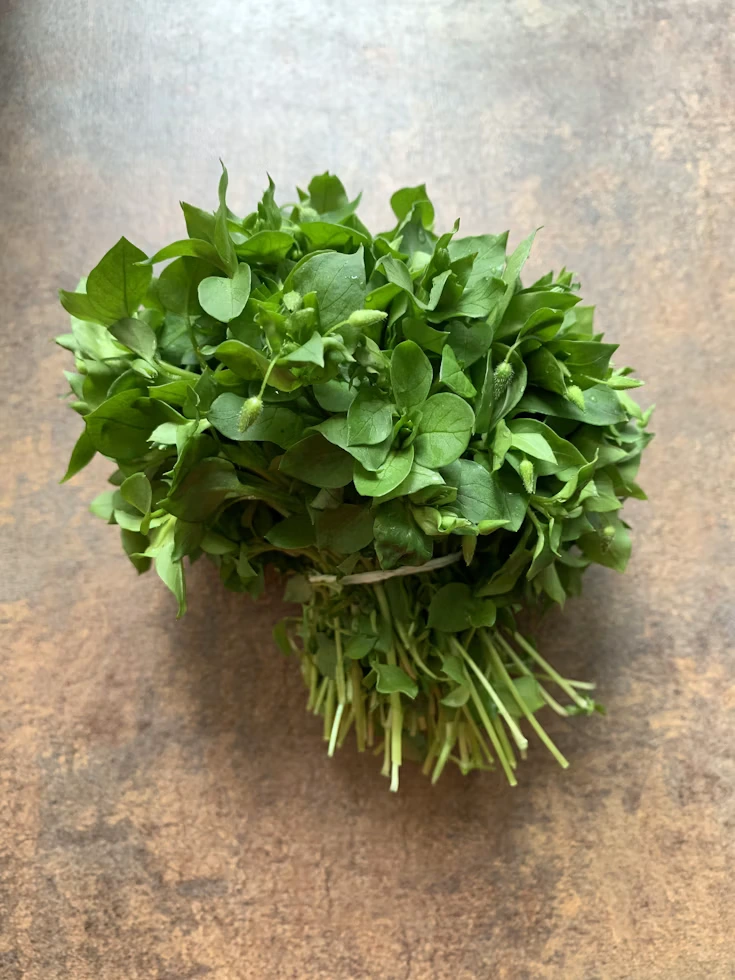
Chickweed (Stellaria media) is a low-growing annual herb native to Europe but now found throughout North America, Asia, and many other parts of the world. It thrives in cool, moist environments and is often mistaken for a garden weed.
Despite its humble appearance, chickweed has long been used as both a nutritious edible plant and a traditional herbal remedy.
How to Identify Chickweed
Chickweed can be recognized by:
- Small white star-shaped flowers
- Oval, bright green leaves
- Tender stems with a single line of tiny hairs
- A sprawling growth habit close to the ground
Always correctly identify wild plants before consuming them, as some look-alike species may not be safe.
Nutritional Profile
One reason chickweed remains popular is its impressive nutrient content. It contains:
- Vitamin A
- Vitamin C
- Calcium
- Magnesium
- Potassium
- Iron
- Zinc
- Chlorophyll
- Flavonoids
- Saponins
- Antioxidants
These nutrients contribute to many of the reported chickweed herb benefits.
Chickweed Medicinal Uses
Below are the most commonly recognized chickweed medicinal uses, supported by traditional herbal practices and emerging scientific research.
1. Helps Soothe Itchy and Irritated Skin
One of the best-known chickweed medicinal uses is topical skin care.
Herbalists have traditionally applied chickweed salves, poultices, and creams to help soothe:
- Eczema
- Psoriasis
- Dry skin
- Minor burns
- Bug bites
- Rashes
- Contact dermatitis
Its cooling properties may help reduce irritation while keeping skin moisturized.
Related: Natural Remedies for Itchy Skin
2. May Help Reduce Inflammation
Chickweed contains natural plant compounds, including flavonoids and saponins, that may possess anti-inflammatory properties.
Although most research has been conducted in laboratory and animal studies, these compounds may help reduce inflammation throughout the body.
People have traditionally used chickweed to support relief from:
- Swollen joints
- Muscle soreness
- Mild inflammatory skin conditions
More human clinical studies are needed to confirm these effects.
3. Supports Minor Wound Healing
Fresh chickweed has historically been crushed into a poultice and placed over minor cuts, scrapes, and wounds.
Its moisturizing properties may help:
- Protect damaged skin
- Calm irritation
- Support the body’s natural healing process
Avoid applying homemade herbal preparations to deep wounds or infected skin without medical guidance.
4. Rich in Antioxidants
Antioxidants help protect the body’s cells against damage caused by unstable molecules called free radicals.
Chickweed contains several antioxidant compounds that may support:
- Healthy aging
- Cellular protection
- Immune health
- Overall wellness
Eating antioxidant-rich plants as part of a balanced diet may contribute to long-term health.
5. May Support Healthy Weight Management
Traditional herbal medicine sometimes recommends chickweed as part of weight management programs.
Some laboratory studies suggest certain compounds may influence fat metabolism, but there is currently no strong clinical evidence showing that chickweed alone promotes weight loss in humans.
Maintaining a healthy weight still depends on:
- Balanced nutrition
- Regular exercise
- Adequate sleep
- Sustainable lifestyle habits
6. Supports Digestive Health
Fresh chickweed has traditionally been consumed as a leafy vegetable and herbal tea.
Some people report that chickweed may help:
- Promote regular bowel movements
- Ease occasional constipation
- Support gentle digestion
Because it is mild, chickweed is often easier to tolerate than stronger herbal laxatives.
Related: Best Herbs for Digestion
7. May Promote Respiratory Comfort
Historically, herbal practitioners used chickweed to help support respiratory health.
It has been traditionally consumed during:
- Seasonal coughs
- Mild throat irritation
- Chest congestion
While these uses have a long history, modern clinical evidence remains limited.
8. May Support Joint Health
Traditional herbal medicine often recommends chickweed for occasional joint discomfort.
People have applied chickweed salves or consumed herbal preparations in hopes of easing:
- Arthritis symptoms
- Joint stiffness
- Muscle aches
Although promising, more research is necessary before firm conclusions can be made.
9. Provides Essential Vitamins and Minerals
Unlike many medicinal herbs, chickweed also serves as a nutritious edible green.
Adding fresh chickweed to salads or smoothies provides vitamins and minerals that support:
- Immune function
- Bone health
- Skin health
- Normal energy production
This combination of nutrition and traditional medicine makes chickweed unique among edible herbs.
10. Traditionally Used for Detox Support
Many traditional herbal systems describe chickweed as a cleansing herb that supports normal liver and kidney function.
However, the term “detox” is often misunderstood.
Your liver and kidneys naturally remove waste products from the body. While nutritious herbs may support overall health, no high-quality evidence shows that chickweed detoxifies the body beyond these normal physiological processes.
Scientific Research on Chickweed
Scientific interest in Stellaria media continues to grow.
Current research has explored its:
- Antioxidant activity
- Anti-inflammatory properties
- Antimicrobial potential
- Nutritional composition
Most published studies involve laboratory testing or animal models. Human clinical trials remain limited, meaning many traditional claims still require further investigation.
This highlights the importance of using chickweed as a complementary wellness herb rather than a replacement for evidence-based medical care.
How to Use Chickweed
There are several ways to enjoy the potential benefits of chickweed.
Fresh Chickweed
Young leaves make an excellent addition to:
- Salads
- Sandwiches
- Smoothies
- Pesto
- Soups
Its flavor is mild, fresh, and slightly similar to corn silk.
Chickweed Tea
One of the simplest ways to enjoy chickweed tea benefits is through an herbal infusion.
How to Make Chickweed Tea
Ingredients
- 1–2 teaspoons dried chickweed (or a small handful of fresh chickweed)
- 1 cup hot water
Instructions
- Place chickweed into a tea infuser or cup.
- Pour hot (not boiling) water over the herb.
- Cover and steep for 10–15 minutes.
- Strain.
- Enjoy warm.
You may add honey or lemon if desired.
Chickweed Salve
A homemade chickweed salve is commonly used for dry or irritated skin.
It may help moisturize areas affected by:
- Minor itching
- Dry patches
- Insect bites
- Mild irritation
Tinctures
Liquid herbal extracts provide another convenient option for people who prefer concentrated preparations.
Always follow the manufacturer’s dosage recommendations.
Capsules
Commercial supplements are widely available.
When purchasing herbal products, choose brands that undergo independent quality testing whenever possible.
Is Chickweed Safe?
For most healthy adults, moderate amounts of edible chickweed are generally considered safe.
However, some precautions are important.
Possible Side Effects
Potential side effects include:
- Allergic reactions
- Mild stomach upset
- Digestive discomfort if consumed in large quantities
Because chickweed contains naturally occurring saponins, excessive consumption may increase the likelihood of digestive irritation.
Who Should Avoid Chickweed?
Speak with your healthcare provider before using chickweed if you:
- Are pregnant
- Are breastfeeding
- Take blood-thinning medications
- Have autoimmune disorders
- Have known plant allergies
- Take prescription medications
Children should only use herbal preparations under appropriate professional guidance.
Frequently Asked Questions
Is chickweed edible?
Yes. Young chickweed leaves and stems are edible and are commonly added to salads, soups, smoothies, and herbal teas.
What are the main chickweed medicinal uses?
Traditional uses include supporting skin health, reducing minor inflammation, promoting digestive comfort, providing antioxidants, and soothing occasional irritation.
Can you drink chickweed tea every day?
Many people enjoy chickweed tea in moderation. If you have medical conditions or take medications, consult your healthcare provider before regular use.
Does chickweed help eczema?
Many herbalists traditionally recommend chickweed salves for itchy skin and eczema. However, scientific evidence in humans remains limited.
Can chickweed reduce inflammation?
Laboratory research suggests chickweed contains anti-inflammatory compounds, but more human studies are needed.
Is chickweed scientifically proven?
Some medicinal properties are supported by laboratory and animal studies. Larger human clinical trials are still required before definitive health claims can be made.
Can I make chickweed salve at home?
Yes. Homemade chickweed-infused oils and salves are popular among herbal enthusiasts. Ensure the herb is correctly identified and prepared hygienically.
What does chickweed taste like?
Fresh chickweed has a mild, slightly sweet flavor with a tender texture, making it suitable for salads and fresh recipes.
Final Thoughts
The long history of chickweed medicinal uses highlights why this humble herb remains popular among herbalists and natural wellness enthusiasts. From supporting skin health and providing antioxidants to serving as a nutritious edible green, chickweed offers a variety of potential benefits.
However, it’s important to balance traditional knowledge with current scientific evidence. While early research is promising, many medicinal claims still require further human studies. Use chickweed responsibly as part of a healthy lifestyle, and consult a qualified healthcare professional before using it to manage any medical condition.
If you’re interested in exploring more natural wellness options, check out our guides on Natural Herbs for Inflammation, Best Herbs for Skin Health, Medicinal Plants You Can Grow at Home, and Natural Remedies for Itchy Skin.
Medical Disclaimer
The information in this article is intended for educational and informational purposes only. It should not be used as a substitute for professional medical advice, diagnosis, or treatment. Always seek the guidance of your physician or another qualified healthcare provider before using herbal supplements or making changes to your healthcare routine.