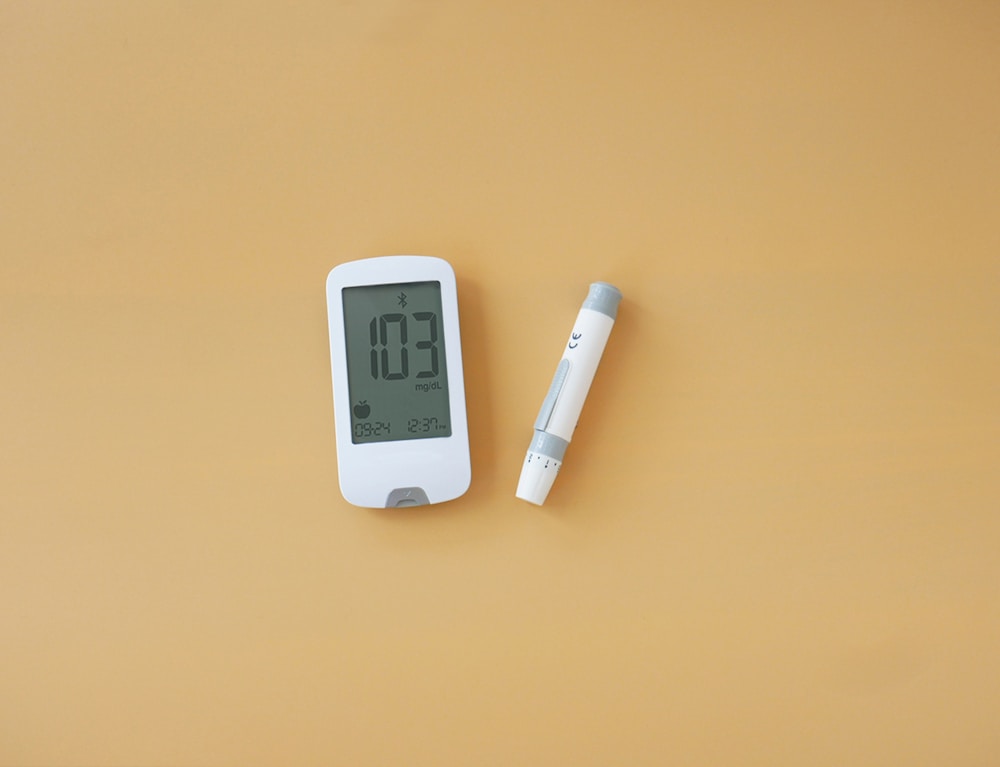
Low blood sugar, or hypoglycemia, can happen to anyone, but it is particularly common among adults living with diabetes, those taking glucose-lowering medications, or individuals who skip meals. Recognizing the signs of low blood sugar in adults early is critical because timely action can prevent serious complications such as fainting, seizures, or even loss of consciousness.
In this article, you will learn the most common symptoms, why they happen, how to manage them, and when to seek help—so you can stay informed and protect your health.
Table of Contents
What Is Low Blood Sugar?
Low blood sugar occurs when glucose levels drop below 70 mg/dL. Glucose is the body’s primary energy source, so when levels fall too low, the brain and body cannot function properly.

Adults may experience hypoglycemia due to medication, delayed meals, excessive exercise, alcohol consumption, or underlying medical conditions.
Common Causes of Low Blood Sugar
- Skipping meals or fasting
- Taking too much diabetes medication or insulin
- Strenuous activity without eating enough
- Drinking alcohol on an empty stomach
- Hormonal imbalances
Most Common Signs of Low Blood Sugar in Adults
Below are the early and advanced symptoms every adult should know. These warning signs can vary from person to person, but recognizing them early is essential.
Early Symptoms of Hypoglycemia
These are the body’s first natural alarms.
Shakiness and Trembling
One of the earliest signs of low blood sugar in adults is trembling due to adrenaline release, which tries to push glucose back into the bloodstream.
Sudden Hunger
A strong, urgent need to eat is a key survival mechanism your body uses to raise glucose levels quickly.
Sweating (Cold or Clammy Skin)
The body becomes overstimulated as it tries to compensate for low glucose, leading to excessive sweating.
Fast Heartbeat
Palpitations are triggered by the stress hormone epinephrine.
Cognitive Symptoms
Your brain depends on glucose. When levels drop, mental functions slow down.
Confusion or Trouble Concentrating
Adults may struggle to focus, make decisions, or think clearly.
Dizziness or Lightheadedness
Less glucose reaching the brain leads to disorientation and dizziness.
Blurred Vision
Vision becomes impaired because the retina relies heavily on glucose.
Neurological Symptoms
If glucose continues to drop, symptoms become more serious.
Weakness or Fatigue
Lack of energy causes overwhelming tiredness.
Headaches
A common sign due to the brain’s sensitivity to low glucose.
Numbness or Tingling (Especially Around the Lips)
This symptom often occurs right before more severe complications.
Severe Symptoms of Low Blood Sugar
When hypoglycemia becomes dangerous, symptoms escalate.
Slurred Speech
Low glucose affects motor control and speech.
Loss of Coordination
Walking or holding objects becomes difficult.
Seizures or Loss of Consciousness
This requires emergency medical care.
Why Recognizing Low Blood Sugar Matters
Ignoring the signs of low blood sugar in adults can lead to hypoglycemia unawareness—a dangerous condition where warning symptoms become harder to detect. This increases the risk of severe episodes that can be life-threatening.
Risks of Untreated Low Blood Sugar
- Falls and injuries
- Fainting
- Heart rhythm issues
- Cognitive decline with repeated episodes
- Emergency hospitalization
How to Treat Low Blood Sugar Quickly
The 15-15 Rule
Most healthcare professionals recommend consuming 15 grams of fast-acting carbohydrates and checking blood sugar after 15 minutes.
Examples of fast-acting carbs include:
- 4 ounces of fruit juice
- Regular soda (not diet)
- 1 tablespoon of sugar or honey
- Glucose tablets or gel
Follow Up With a Balanced Snack
Once levels stabilize, eat a snack with protein and complex carbohydrates to prevent another crash.
How to Prevent Low Blood Sugar in Adults
Daily Prevention Tips
Eat Consistently
Avoid skipping meals or eating too little.
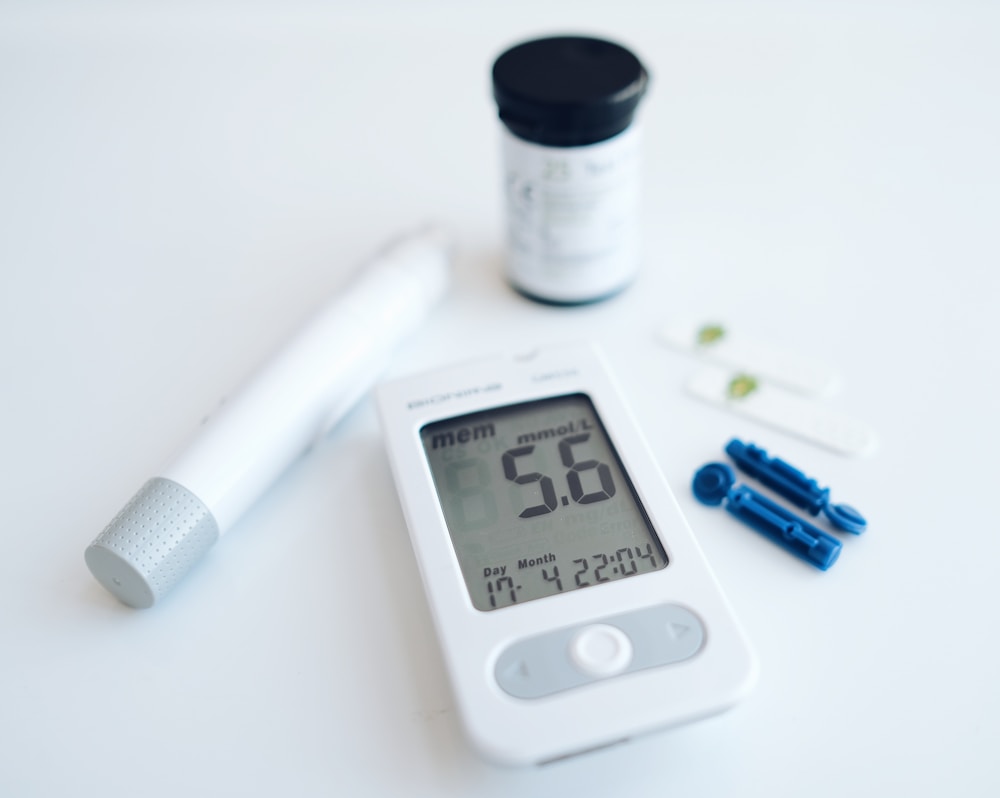
Monitor Blood Sugar Levels
Track patterns and record readings regularly.
Choose Balanced Meals
Include protein, healthy fats, and complex carbohydrates.
Plan Ahead for Exercise
Consume a snack before intense activity.
Limit Alcohol Intake
Especially when drinking on an empty stomach.
When to Contact a Healthcare Provider
If you experience frequent episodes, worsening symptoms, or nighttime hypoglycemia, schedule a medical evaluation.
Authoritative External Links
For more evidence-based information, see:
- American Diabetes Association: Hypoglycemia Guide
- Centers for Disease Control and Prevention: Managing Low Blood Sugar
- Mayo Clinic: Low Blood Sugar (Hypoglycemia) Overview
FAQs About the Signs of Low Blood Sugar in Adults
What is the first sign of low blood sugar?
Many adults first notice shakiness, sweating, or sudden hunger.
Can you have low blood sugar without diabetes?
Yes. Medical conditions, alcohol, poor nutrition, or certain medications can cause low blood sugar even without diabetes.
How long does it take to recover from low blood sugar?
Most mild episodes improve within 15 minutes after eating fast-acting carbs.
When should I go to the ER?
Seek emergency care if the person becomes unconscious, has seizures, or cannot consume food or drink.
Can nighttime low blood sugar be dangerous?
Yes, nighttime hypoglycemia can go unnoticed and may cause headaches, fatigue, or confusion upon waking.
Conclusion: Take Control of Your Blood Sugar Health
Recognizing the signs of low blood sugar in adults helps you take early action, avoid complications, and maintain better long-term health. If you frequently experience these symptoms, consult a healthcare professional for a customized treatment plan.
Call to Action
If you found this guide valuable, explore more evidence-based health articles on The Planttube Blog and share this post to help others stay informed. For more resources, follow credible health organizations and track your blood sugar regularly.