Have you ever reached for a warm cup of ginger tea when your stomach feels unsettled, you feel nauseated, or you simply want a soothing drink?
Ginger tea is one of the simplest ways to enjoy ginger. Made by steeping fresh ginger root in hot water, this naturally caffeine-free beverage has been used traditionally for digestive discomfort and other health concerns for generations.
But what does modern research actually say about the ginger tea benefits?
Ginger contains naturally occurring compounds such as gingerols and shogaols that have been studied for their antioxidant, anti-inflammatory, and digestive effects. Research has also explored ginger for nausea and vomiting, although much of the clinical research has involved ginger supplements rather than a regular cup of ginger tea.
In this guide, we’ll explore the potential benefits of ginger tea, how to make it at home, when to drink it, possible side effects, and important safety considerations.
Important: Ginger tea can be a comforting addition to a healthy lifestyle, but it should not be considered a cure or replacement for medical treatment.
What Is Ginger Tea?
Ginger tea is a simple herbal beverage made by steeping fresh or dried ginger in hot water.
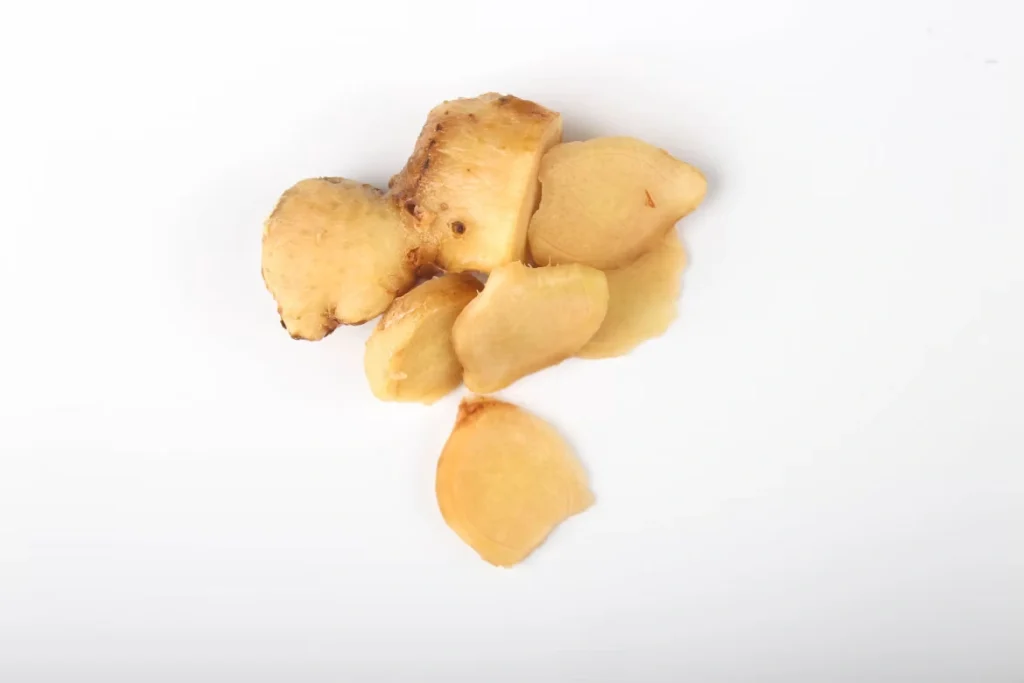
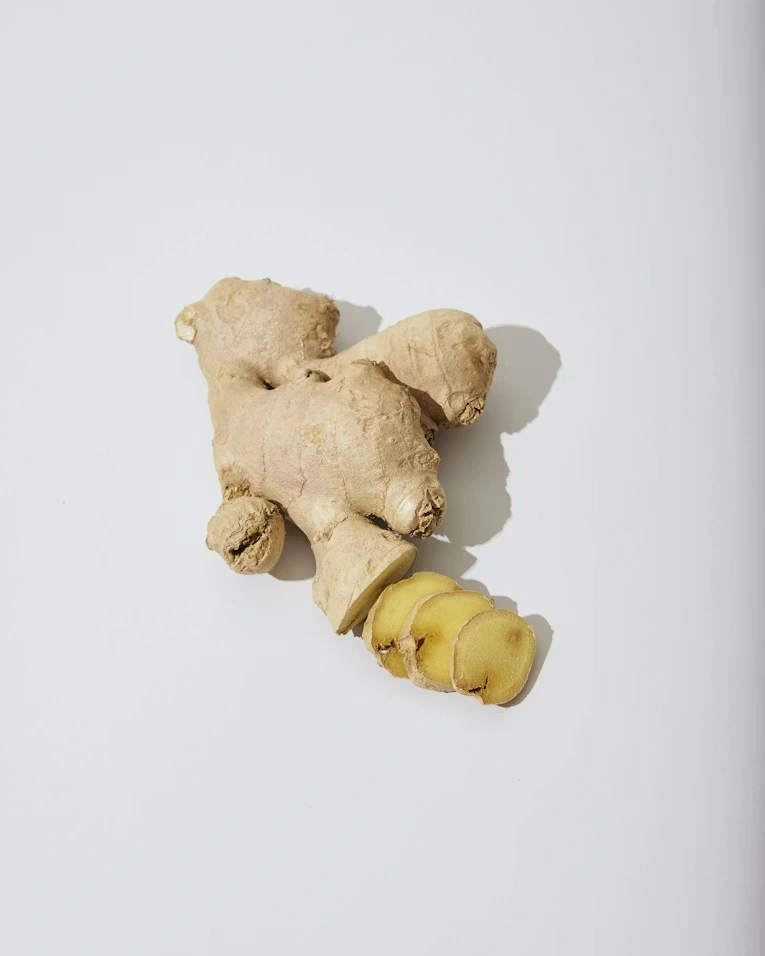
Ginger comes from the rhizome, or underground stem, of the plant Zingiber officinale. It is widely used as a culinary spice and has a long history of traditional use for digestive and gastrointestinal complaints.
Unlike black tea or green tea, ginger tea made from ginger and water is naturally caffeine-free.
You can prepare it with:
- Fresh ginger root
- Dried ginger
- Ginger tea bags
- Ginger powder
Fresh ginger is particularly easy to use at home. Simply slice or grate a small piece of ginger, simmer it in water, and strain before drinking.
For more information about medicinal plants and traditional herbal preparations, explore The PlantTube’s Medicinal Plants resources.
9 Potential Ginger Tea Benefits
1. May Support Healthy Digestion
One of the most popular reasons people drink ginger tea is to support digestion.
Ginger has traditionally been used for digestive discomfort, and researchers have investigated its effects on several gastrointestinal symptoms. Ginger may influence gastrointestinal motility and may help support the normal movement of food through the digestive tract.
This is why some people enjoy a cup of ginger tea after meals.
If you occasionally experience mild digestive discomfort, a warm cup of ginger tea may be a soothing beverage to include in your routine.
However, persistent abdominal pain, severe bloating, ongoing vomiting, unexplained weight loss, or changes in bowel habits should not simply be treated with home remedies. These symptoms can have many possible causes and may require medical evaluation.
Potential keyword: ginger tea benefits for digestion
2. May Help Ease Nausea
One of the better-studied potential benefits of ginger is its relationship with nausea and vomiting.
Research has examined ginger for several types of nausea, including pregnancy-related nausea, postoperative nausea, and chemotherapy-related nausea. The National Center for Complementary and Integrative Health notes that ginger may be helpful for nausea and vomiting associated with pregnancy, although results vary for other situations.
A review of systematic reviews and meta-analyses also found evidence suggesting potential benefits of ginger for several forms of nausea and vomiting, while noting that the methodological quality of the available reviews ranged from critically low to low.
It’s important to remember that most research has studied ginger supplements rather than ordinary homemade ginger tea.
So, while ginger tea for nausea may be worth trying for occasional mild nausea, it shouldn’t replace medical treatment when nausea is severe or persistent.
3. May Help With Bloating and Digestive Discomfort
Bloating can occur for many reasons, including eating too quickly, certain foods, constipation, food intolerances, and digestive conditions.
Because ginger has traditionally been used to support digestion, some people use ginger tea when they feel overly full or bloated.
A warm beverage can also be comforting after a meal.
However, ginger tea isn’t a guaranteed treatment for bloating. If bloating is frequent, painful, or accompanied by vomiting, blood in the stool, unexplained weight loss, or significant changes in bowel habits, speak with a healthcare professional.
Related keyword: ginger tea for bloating
You can also explore more practical natural approaches in The PlantTube’s Home Remedies section.
4. Provides Antioxidant Compounds
Another potential ginger tea health benefit comes from ginger’s naturally occurring bioactive compounds.
Ginger contains compounds including gingerols and shogaols. Researchers have investigated ginger for antioxidant and other biological activities. A systematic review has examined evidence surrounding ginger’s antioxidant and anti-inflammatory properties.
Antioxidants are compounds that can help protect cells from oxidative stress.
That doesn’t mean drinking ginger tea will prevent disease. Instead, it is better to think of ginger as one plant food that can contribute beneficial compounds to an overall balanced diet.
For the greatest overall benefit, focus on a varied diet containing vegetables, fruits, whole grains, legumes, nuts, seeds, and other nutrient-rich foods.
5. May Support a Healthy Inflammatory Response
Inflammation is a normal biological process that helps the body respond to injury and other challenges. However, chronic inflammation is associated with numerous health conditions.
Ginger has attracted scientific interest because some of its compounds demonstrate anti-inflammatory activity.
A recent review of meta-analyses found that ginger supplementation was associated with reductions in some inflammatory markers, including C-reactive protein and tumor necrosis factor-α. However, these findings relate primarily to ginger supplementation and should not automatically be applied to a typical cup of ginger tea.
This distinction matters.
A homemade ginger tea may contain substantially less ginger than the preparations used in clinical research.
Therefore, it’s more accurate to say that ginger may support a healthy inflammatory response rather than claiming that ginger tea treats inflammation or inflammatory diseases.
Related keyword: ginger tea for inflammation
6. May Support Overall Immune Health
You may have heard ginger tea described as an “immune-boosting” drink.
That’s a little too simplistic.
Ginger contains bioactive plant compounds, and including ginger as part of a varied diet may contribute to overall wellness. However, there isn’t enough evidence to say that drinking ginger tea alone can prevent infections or dramatically strengthen your immune system.
Think of ginger tea as one small part of a healthy lifestyle.
Other habits that support overall health include:
- Eating a balanced diet
- Getting adequate sleep
- Staying physically active
- Drinking enough fluids
- Managing stress
- Practicing good hygiene
- Following recommended vaccinations
So if you’re searching for ginger tea for immunity, keep expectations realistic. It can be a healthy beverage choice, but it isn’t a substitute for evidence-based preventive healthcare.
7. May Soothe a Sore Throat
A warm drink can feel soothing when your throat is irritated.
Ginger has a naturally warming and spicy flavor, which makes ginger tea a popular home beverage during cold and flu season.
You can also combine ginger tea with lemon or a small amount of honey for flavor.
However, ginger tea does not treat the viruses or bacteria that cause every sore throat.
If a sore throat is severe, lasts longer than expected, is accompanied by difficulty breathing or swallowing, or comes with other concerning symptoms, seek medical advice.
For more ideas, you can read The PlantTube’s guide to natural sore throat remedies.
Related keywords: ginger tea for colds, ginger tea for sore throat
8. May Support Metabolic and Cardiovascular Health
Researchers have also investigated ginger’s potential effects on metabolic health, including markers associated with blood sugar, lipids, and inflammation.
These findings are interesting, but they should be interpreted carefully.
Studies often use ginger supplements or specific doses rather than a typical homemade beverage. Therefore, it would be misleading to promise that drinking ginger tea will lower blood sugar, cholesterol, or blood pressure.
Instead, ginger tea can be viewed as a low-calorie, caffeine-free beverage that may fit into a balanced diet.
If you have diabetes, high blood pressure, high cholesterol, or another chronic condition, continue following the treatment plan recommended by your healthcare professional.
9. It’s a Simple, Caffeine-Free Beverage
Sometimes the biggest benefit is simply finding an enjoyable drink that fits your lifestyle.
Homemade ginger tea is naturally caffeine-free when prepared with ginger and water. This makes it an alternative to caffeinated drinks for people who prefer to limit caffeine.
You can enjoy it:
- In the morning
- After meals
- During colder weather
- When you want a warm beverage
- In the evening
You can also customize it with lemon, honey, cinnamon, or other ingredients.
How to Make Ginger Tea at Home
Making ginger tea doesn’t require special equipment.
Ingredients
- 1–2 inches of fresh ginger root
- 1–2 cups of water
- Lemon, optional
- Honey, optional
Instructions
- Wash the ginger root thoroughly.
- Peel it if desired.
- Slice the ginger into thin pieces.
- Add the ginger to 1–2 cups of water.
- Bring the water to a gentle simmer.
- Simmer for about 5–10 minutes.
- Remove from the heat and strain.
- Add lemon or a small amount of honey if desired.
- Serve warm.
For a stronger flavor, you can use more ginger or allow it to steep longer.
Simple Ginger Tea Recipe
For a refreshing version, add a squeeze of fresh lemon after straining the tea.
For a sweeter version, add a small amount of honey once the tea has cooled slightly.
Remember that adding large amounts of honey or sugar can significantly increase the calorie and sugar content of the drink.
When Is the Best Time to Drink Ginger Tea?
There isn’t one scientifically proven “best” time to drink ginger tea.
The right time largely depends on why you enjoy it.
Ginger Tea in the Morning
A cup of ginger tea can be a caffeine-free alternative to coffee or caffeinated tea.
Ginger Tea After a Meal
Some people enjoy ginger tea after eating because of its traditional association with digestive comfort.
Ginger Tea for Nausea
If you’re experiencing occasional mild nausea, ginger may be worth considering. Research supports potential benefits for some forms of nausea, although evidence varies depending on the situation.
Ginger Tea Before Bed
Because homemade ginger tea is naturally caffeine-free, some people enjoy it in the evening.
However, there isn’t strong evidence that ginger itself acts as a sleep aid.
If ginger causes heartburn or stomach discomfort for you, drinking it before bed may not be comfortable.
How Much Ginger Tea Should You Drink?
There is no single amount of ginger tea that is appropriate for everyone.
The concentration can vary significantly depending on:
- How much ginger you use
- Whether you use fresh or dried ginger
- How long you steep it
- Whether you add other ingredients
- Your individual sensitivity
For a simple beverage, start with a mild preparation and see how your body responds.
Don’t assume that a stronger or larger amount will provide greater health benefits.
It’s also important to distinguish a normal food or beverage from concentrated ginger supplements. Supplements can provide substantially different amounts of active compounds.
If you’re considering high-dose ginger supplements, especially if you take medications or have an existing medical condition, talk with a healthcare professional first.
Ginger Tea Side Effects and Safety
Although ginger is commonly consumed as a food, it can cause side effects in some people.
According to the NCCIH, oral ginger may cause:
- Abdominal discomfort
- Heartburn
- Diarrhea
- Mouth or throat irritation
These effects may be more noticeable with higher or concentrated amounts.
If ginger tea consistently causes discomfort, stop drinking it or reduce the strength.
Who Should Be Careful With Ginger?
Extra caution may be appropriate if you:
- Take prescription medications
- Take blood-thinning or anticoagulant medication
- Have gallstone disease
- Are pregnant and considering concentrated ginger products
- Are preparing for surgery
- Have a medical condition that requires dietary or medication restrictions
The NCCIH notes that concerns have been raised about possible interactions between ginger and blood thinners and recommends discussing herbal products with a healthcare professional when medications are involved.
More generally, supplements and medications can interact in ways that increase or decrease medication effects, so it’s important to tell your doctor or pharmacist about supplements and herbal products you’re taking.
Ginger Tea vs. Ginger Supplements
It’s easy to assume that ginger tea and ginger supplements provide the same benefits.
They don’t necessarily.
| Feature | Ginger Tea | Ginger Supplements |
| Form | Beverage | Capsule, extract, powder, or tablet |
| Ginger concentration | Usually lower and variable | Often more concentrated |
| Easy to prepare | Yes | Yes |
| Used as food | Yes | Usually no |
| Dose consistency | Variable | Often more standardized |
| Interaction concerns | Generally lower at food amounts | More important to consider |
Many scientific studies use specific ginger preparations or supplements rather than homemade tea.
That means research findings should not automatically be interpreted as proof that the same effect will occur from drinking one cup of ginger tea.
Can You Drink Ginger Tea Every Day?
For many people, ginger used as a normal food or beverage can be part of a healthy diet.
However, more isn’t necessarily better.
If you’re drinking ginger tea regularly and experience heartburn, diarrhea, stomach discomfort, or mouth irritation, reduce the amount or stop using it.
If you’re taking medication or considering concentrated ginger supplements, speak with your healthcare provider before making ginger a daily therapeutic routine.
The NCCIH also emphasizes that “natural” does not automatically mean safe and that supplements can have side effects or interact with medications.
Frequently Asked Questions About Ginger Tea Benefits
What are the main ginger tea benefits?
Potential benefits of ginger tea include supporting digestive comfort, providing plant compounds with antioxidant activity, and potentially helping with certain types of nausea. Research is stronger for some uses of ginger than others, and many studies involve supplements rather than tea.
Does ginger tea help with digestion?
Ginger has traditionally been used for digestive and gastrointestinal discomfort. Some people find ginger tea soothing after meals, but persistent digestive symptoms should be evaluated by a healthcare professional.
Can ginger tea help with nausea?
Ginger has been studied for several types of nausea and may help with some forms, particularly pregnancy-related nausea. However, evidence varies depending on the cause of nausea.
Does ginger tea reduce bloating?
Ginger may support digestive comfort, but evidence for ginger tea specifically as a treatment for bloating is limited. Frequent or severe bloating should be evaluated to identify the underlying cause.
Is ginger tea good for a cold?
Ginger tea can be a soothing warm beverage when you’re sick, especially if you enjoy its flavor. However, it shouldn’t be presented as a cure for a cold or flu.
Can you drink ginger tea before bed?
Yes, many people can enjoy ginger tea before bed because homemade ginger tea is naturally caffeine-free. However, ginger can cause heartburn or stomach discomfort in some people, so it may not be suitable for everyone at night.
How often can you drink ginger tea?
There is no universal daily amount that works for everyone. A mild cup may be reasonable as a beverage for many people, but individual tolerance, medications, and health conditions should be considered.
Are there side effects of ginger tea?
Possible side effects include heartburn, abdominal discomfort, diarrhea, and mouth or throat irritation. These effects may be more likely with higher or concentrated amounts.
Can you drink ginger tea every day?
Many people can consume ginger as part of their normal diet, but daily use isn’t appropriate for everyone. If you’re taking medications, pregnant, have gallstones, or are considering concentrated ginger supplements, discuss ginger use with a healthcare professional.
Final Thoughts on Ginger Tea Benefits
The popularity of ginger tea isn’t difficult to understand.
It’s inexpensive, easy to prepare, naturally caffeine-free, and provides a simple way to include ginger in your diet.
The most promising ginger tea benefits relate to ginger’s potential role in digestive comfort and certain types of nausea. Research also continues to investigate ginger’s antioxidant and anti-inflammatory properties. However, it’s important to remember that much of the clinical research involves ginger supplements rather than a typical cup of homemade tea.
So, enjoy ginger tea as part of a balanced lifestyle—but don’t expect it to work like a miracle cure.
If you’re interested in learning more about natural health approaches, explore The PlantTube’s Health Benefits, Home Remedies, and other evidence-informed plant and wellness resources.
Medical Disclaimer
This article is for educational and informational purposes only and is not intended to provide medical advice, diagnosis, or treatment. Ginger tea may not be appropriate for everyone and may interact with certain medications or health conditions. If you are pregnant, have an existing medical condition, take prescription or over-the-counter medications, or are considering concentrated ginger supplements, consult a qualified healthcare professional before use. Do not use ginger tea as a substitute for prescribed medical treatment. If symptoms are severe, persistent, or worsening, seek professional medical care.
Sources and Further Reading
- National Center for Complementary and Integrative Health (NCCIH) – Ginger
- NCCIH – How Medications and Supplements Can Interact
- PubMed – Ginger for treating nausea and vomiting: overview of systematic reviews and meta-analyses
- PubMed – Pharmacological properties of ginger: systematic review
- NCCIH – Nutritional Approaches for Musculoskeletal Pain and Inflammation