Did you know that a simple cup of basil tea can support digestion, reduce stress, and strengthen your immune system? Basil is more than just a kitchen herb. When brewed as tea, basil leaves release powerful plant compounds that have been used for centuries in traditional medicine. Today, basil tea is gaining popularity as a natural, caffeine-free drink that supports overall wellness.
In this article, we’ll explore basil tea health benefits, its nutritional value, how to make it at home, the best time to drink it, and important precautions to keep in mind.
Table of Contents
What Is Basil Tea?
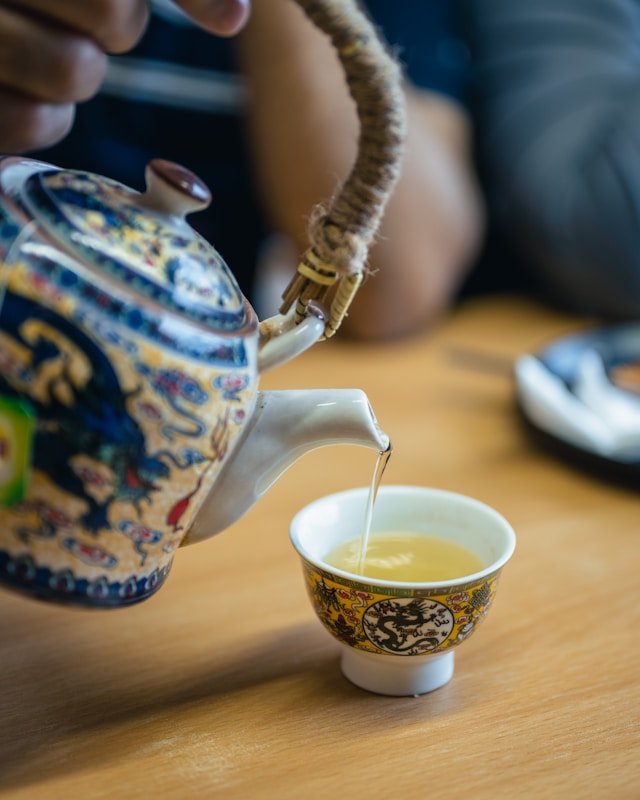
Basil tea is a herbal infusion made by steeping fresh or dried basil leaves in hot water. Unlike green or black tea, basil tea is naturally caffeine-free, making it suitable for daily consumption.

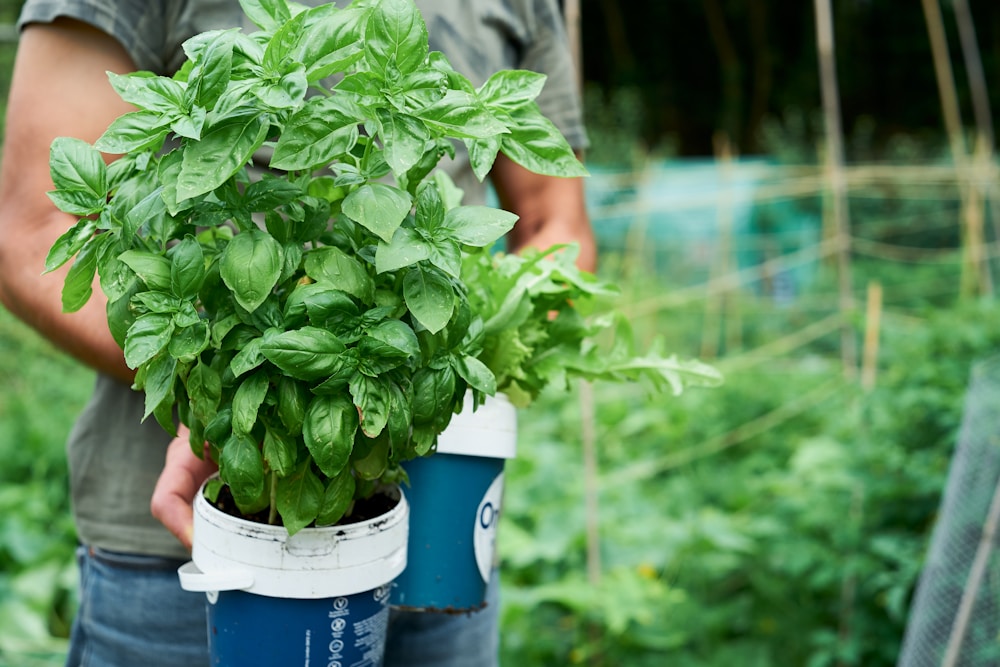
There are several types of basil used to make tea, including:
- Sweet basil (Ocimum basilicum)
- Holy basil (Tulsi) (Ocimum sanctum)
- Thai basil
While holy basil tea benefits are often highlighted in Ayurveda, regular basil leaf tea also offers impressive health advantages. Basil tea is commonly consumed to support digestion, relieve stress, and boost immunity.
Nutritional Value of Basil Tea
Key Nutrients Found in Basil Leaves
Basil tea contains small but beneficial amounts of essential nutrients, including:
- Vitamin A for eye and skin health
- Vitamin C for immune support
- Vitamin K for bone health
- Calcium, magnesium, and iron
- Powerful antioxidants like flavonoids and polyphenols
Basil leaves also contain essential oils such as eugenol, which contributes to many of the benefits of basil tea, especially its anti-inflammatory properties.
Calories and Caffeine Content
Basil tea is:
- Very low in calories
- Free from caffeine
- Naturally hydrating
This makes basil tea an excellent alternative to sugary drinks or caffeinated beverages.
Top Basil Tea Health Benefits
Supports Digestive Health
One of the most well-known basil tea health benefits is improved digestion. Basil tea helps relax the digestive tract, reducing bloating, gas, and stomach discomfort. It may also stimulate digestive enzymes, making it helpful after heavy meals.
People experiencing indigestion, mild cramps, or nausea often drink basil tea for digestion as a gentle natural remedy.
Helps Reduce Stress and Anxiety
Basil is considered an adaptogenic herb, meaning it helps the body cope with stress. Drinking basil tea for stress may promote relaxation, improve mood, and reduce mental fatigue.
Holy basil tea benefits are especially linked to calming the nervous system, but sweet basil tea can also help create a sense of calm when consumed regularly.
Boosts Immunity Naturally
Basil tea for immunity is widely valued due to its antioxidant and antimicrobial properties. The compounds in basil help fight oxidative stress and support the body’s natural defense system.
Regular consumption may help the body resist seasonal infections, making basil tea a useful addition during cold and flu seasons.
Anti-Inflammatory and Pain-Relieving Properties
Basil contains natural anti-inflammatory compounds that may help reduce inflammation in the body. Drinking basil tea may provide relief from mild joint pain, headaches, or muscle soreness.
This benefit makes basil leaf tea especially useful for people dealing with everyday aches caused by stress or physical strain.
Supports Respiratory Health
Traditionally, basil tea has been used to support respiratory comfort. It may help soothe coughs, reduce throat irritation, and clear mild congestion.
Basil tea is often combined with ginger or honey to enhance its effectiveness for colds and seasonal respiratory discomfort.
Helps Regulate Blood Sugar Levels
Some studies suggest basil may support healthy blood sugar levels when consumed in moderation. Basil tea may help improve insulin sensitivity and reduce sugar spikes after meals.
While it should not replace medical treatment, basil tea can be a supportive drink for overall metabolic health.
Promotes Heart Health
Basil tea may contribute to heart health by reducing oxidative stress and supporting healthy cholesterol levels. The antioxidants in basil help protect blood vessels and promote better circulation.
This makes basil tea a heart-friendly herbal beverage when combined with a balanced lifestyle.
Basil Tea Benefits for Skin and Hair
Improves Skin Health
The antioxidants in basil tea help fight free radicals that contribute to premature aging. Regular consumption may support clearer skin, reduce acne breakouts, and improve overall skin tone.
Basil’s antibacterial properties may also help the body manage skin infections from within.
Strengthens Hair
Basil tea supports circulation and nutrient absorption, which may benefit scalp health. Drinking basil tea regularly may help reduce hair fall and promote stronger, healthier hair over time.
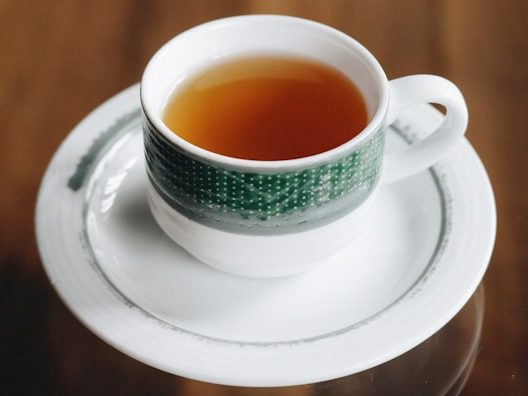
How to Make Basil Tea at Home
Simple Basil Tea Recipe
Ingredients:
- 1 cup water
- 5–7 fresh basil leaves or 1 teaspoon dried basil
Instructions:
- Bring water to a boil
- Add basil leaves
- Simmer for 5–7 minutes
- Strain and drink warm
Variations for Extra Benefits
- Basil tea with ginger: Enhances digestion and immunity
- Basil tea with lemon and honey: Improves taste and boosts vitamin C
- Basil and mint tea: Refreshing and soothing for digestion
Best Time to Drink Basil Tea
The best time to drink basil tea depends on your goal:
- Morning: For metabolism and immunity
- After meals: For digestion
- Evening: For stress relief and relaxation
Most people can safely drink 1–2 cups per day.
Basil Tea Side Effects and Precautions
Although basil tea is generally safe, some precautions are important:
- Pregnant or breastfeeding women should consult a healthcare provider
- Excessive intake may affect blood clotting
- People on medication should seek medical advice
Moderation is key to enjoying basil tea health benefits safely.
Basil Tea vs Tulsi Tea
While both offer health benefits:
- Basil tea is milder and suitable for daily use
- Tulsi tea is stronger and more medicinal
Tulsi is often preferred for stress and immunity, while sweet basil is ideal for digestion and general wellness.
Frequently Asked Questions
Can I drink basil tea every day?
Yes, drinking basil tea daily in moderation is generally safe for most people.
Is basil tea good for weight loss?
Basil tea may support weight management by improving digestion and reducing stress-related eating.
Does basil tea help with sleep?
Yes, basil tea’s calming properties may promote better sleep when consumed in the evening.
Can pregnant women drink basil tea?
Pregnant women should consult a healthcare professional before consuming basil tea regularly.
Is basil tea good for diabetes?
Basil tea may support blood sugar balance, but it should not replace medical treatment.
Conclusion
Basil tea is a simple yet powerful herbal drink that offers a wide range of health benefits. From improving digestion and reducing stress to boosting immunity and supporting heart health, basil tea health benefits make it a valuable addition to a natural wellness routine.
If you’re looking for an easy, caffeine-free herbal tea, basil tea is worth trying.
Call to Action
Have you tried basil tea before? Share your experience in the comments below. For more natural remedies and herbal wellness tips, explore other articles on The Planttube Blog and start your journey toward healthier living today.