Do You Have the Right First Aid Kit at Home?
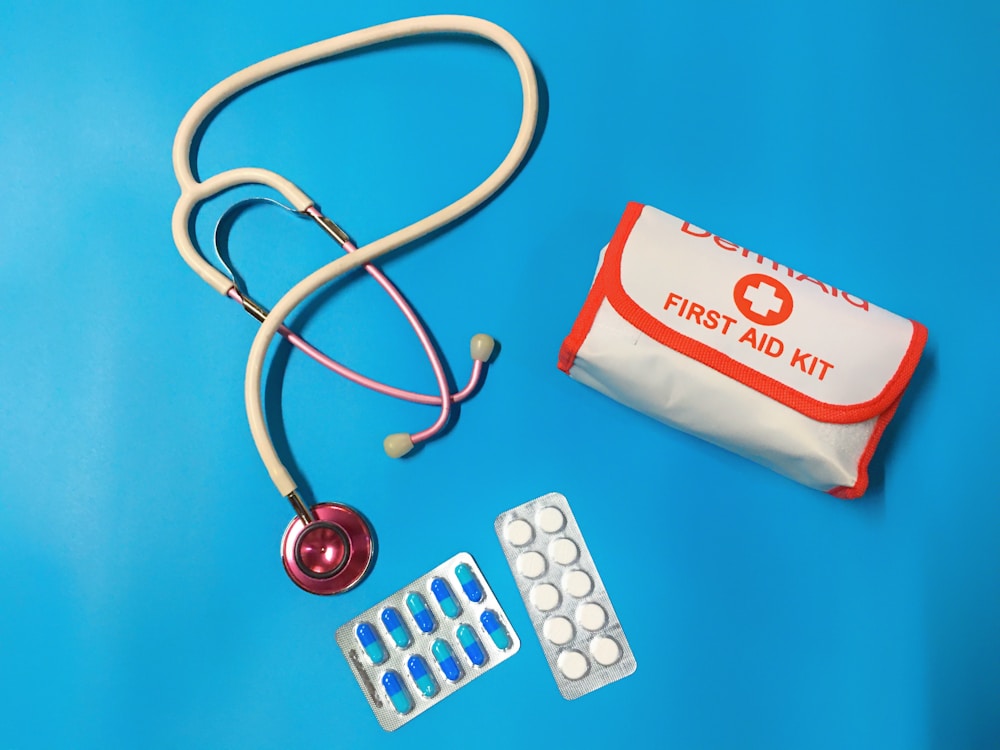
Accidents can happen anytime—whether it’s a minor cut in the kitchen, a sudden fever at night, or a small burn while cooking. In such moments, having a well-stocked first aid kit at home can make all the difference. A prepared household first aid kit allows you to respond quickly, reduce the risk of infection, and provide immediate care before professional help is available.
This first aid kit checklist for home will walk you through all the essential items every household should have, explain why each item matters, and help you customize your kit based on your family’s needs.
Table of Contents
Importance of Having a First Aid Kit at Home
A home first aid kit is more than just a box of bandages—it’s a critical part of household safety. Minor injuries like cuts, scrapes, burns, or allergic reactions are common, and quick action can prevent complications.

Having basic first aid supplies at home helps you:
- Treat minor injuries immediately
- Reduce the severity of wounds and burns
- Prevent infections
- Manage sudden illnesses like fever or stomach upset
- Stay prepared during emergencies or natural disasters
Families with children, elderly members, or people with chronic conditions benefit even more from a ready-to-use emergency first aid kit at home.

Complete First Aid Kit Checklist for Home
Below is a detailed and practical home first aid kit essentials list designed for everyday household emergencies.
Basic Wound Care Supplies
Wound care items form the foundation of any household first aid kit. These supplies help clean, protect, and heal minor injuries.
Essential wound care items include:
- Adhesive bandages (various sizes for small cuts and blisters)
- Sterile gauze pads (for larger wounds)
- Medical adhesive tape
- Antiseptic wipes or antiseptic solution
- Antibiotic ointment or cream
These items help stop bleeding, protect wounds from bacteria, and promote faster healing.
Essential First Aid Tools
A functional first aid supplies list should include basic tools that make treatment easier and safer.
Must-have tools include:
- Digital thermometer (for monitoring fever)
- Tweezers (for removing splinters or debris)
- Small scissors (for cutting tape or gauze)
- Safety pins
- Disposable medical gloves
These tools ensure hygienic and precise first aid care at home.
Medications and Common Treatments
Including medications in your first aid kit checklist for home helps manage common health issues until medical advice is available.
Recommended medications:
- Pain relievers (paracetamol or ibuprofen)
- Antihistamines (for allergies or insect bites)
- Antacid tablets (for indigestion)
- Oral rehydration salts (ORS)
- Anti-diarrheal medication
Always store medicines in original packaging and check expiration dates regularly.
Emergency and Safety Supplies
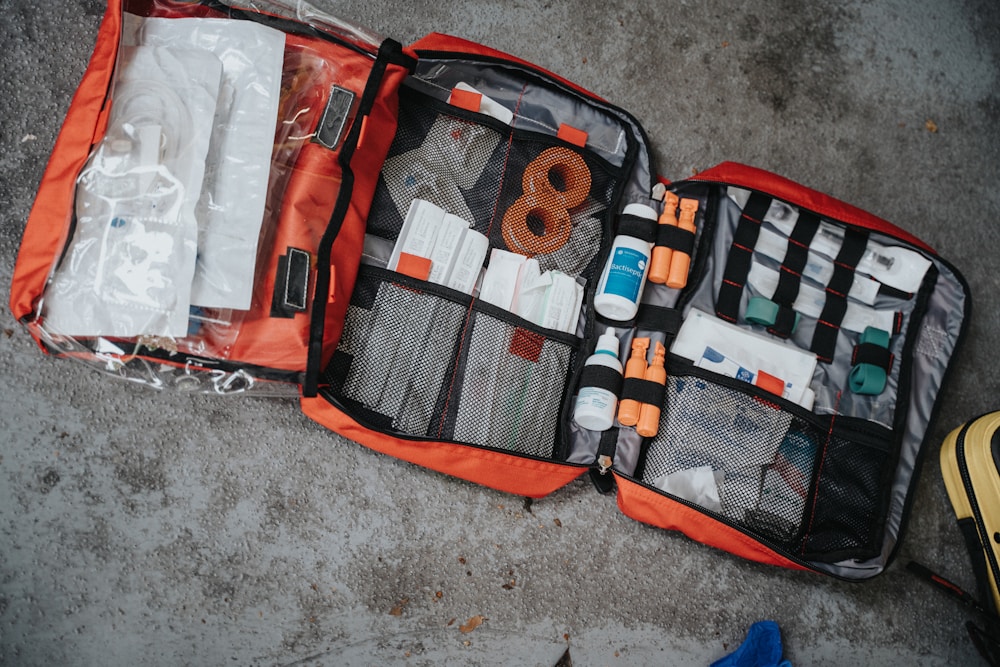
Some injuries require immediate relief to reduce pain or swelling. These home first aid kit essentials can provide quick support.
Emergency items to include:
- Instant cold packs (for sprains or swelling)
- Elastic or compression bandage
- Burn ointment or burn gel
- Eye wash or saline solution
- CPR face shield or breathing barrier
These items are especially useful during unexpected accidents at home.
Customizing Your Home First Aid Kit
Every household is different, and your first aid kit items for family use should reflect your specific needs.
First Aid Items for Children
Children are more prone to minor injuries and sudden fevers.
Kid-friendly additions:
- Child-safe pain and fever relievers
- Fever patches or cooling strips
- Cartoon or colorful bandages
Having familiar and comforting items encourages children to stay calm during treatment.
First Aid Supplies for Elderly Family Members
Elderly individuals may have specific health needs that require additional preparation.
Useful additions include:
- Blood pressure monitor
- Extra prescription medications (if advised by a doctor)
- Written list of emergency contacts and medical history
These items help manage age-related health concerns effectively.
First Aid Kit for Chronic Medical Conditions
If someone in your household has a medical condition, your emergency first aid kit at home should include condition-specific supplies.
Examples include:
- Asthma inhaler
- EpiPen (if prescribed)
- Glucose tablets for low blood sugar
Always consult a healthcare professional when storing prescription items.
How to Organize and Maintain Your First Aid Kit
A first aid kit is only useful if it’s organized and up to date.
Best practices for maintenance:
- Store the kit in a cool, dry, and easily accessible place
- Label items clearly for quick identification
- Check expiration dates every six months
- Replace used or expired supplies immediately
Let all family members know where the kit is located and how to use basic items.
Common First Aid Kit Mistakes to Avoid
Many households own a first aid kit but fail to maintain it properly.
Avoid these common mistakes:
- Missing essential items
- Keeping expired medications
- Storing the kit in hard-to-reach places
- Not customizing the kit for family needs
A neglected kit can be ineffective during an emergency.
Printable First Aid Kit Checklist for Home
Having a printable first aid kit checklist makes it easier to build or restock your kit. A printed list ensures you don’t overlook essential items and helps with routine checks.
Consider keeping a copy inside the kit or saving a digital version on your phone for quick reference.
Frequently Asked Questions
What should be in a basic home first aid kit?
A basic home first aid kit should include wound care supplies, essential tools, common medications, and emergency items like cold packs and burn ointment.
How often should I replace first aid kit items?
Check your kit every six months and replace expired or used items immediately.
Where is the best place to keep a first aid kit at home?
Store it in a cool, dry, and easily accessible location, away from direct heat and moisture.
Do home first aid kits need prescription medicines?
Only include prescription medicines if recommended by a healthcare professional and store them safely.
Be Prepared Before an Emergency Happens
Building a complete first aid kit for home is a simple yet powerful step toward protecting your family’s health. Take a few minutes today to review your supplies, update missing items, and ensure everyone knows where the kit is kept.
Preparedness starts at home—and a well-stocked first aid kit can give you peace of mind when it matters most.
Disclaimer: This article is for informational purposes only and does not replace professional medical advice.