Did you know that dehydration is one of the leading causes of hospital visits among older adults?
Many families mistake dehydration symptoms in elderly loved ones for “normal aging.” Fatigue, confusion, dizziness — these can easily be brushed off. But in reality, dehydration in seniors can become dangerous very quickly.
As we age, the body’s ability to conserve water decreases. Thirst sensation becomes weaker. Medications and chronic illnesses make fluid loss worse. What starts as mild dehydration can escalate into serious complications within hours.
In this guide, you’ll learn the most common dehydration symptoms in elderly adults, what causes them, and how to prevent dehydration before it becomes life-threatening.
Why Dehydration Is More Dangerous for Seniors
Aging changes the way the body manages fluids.
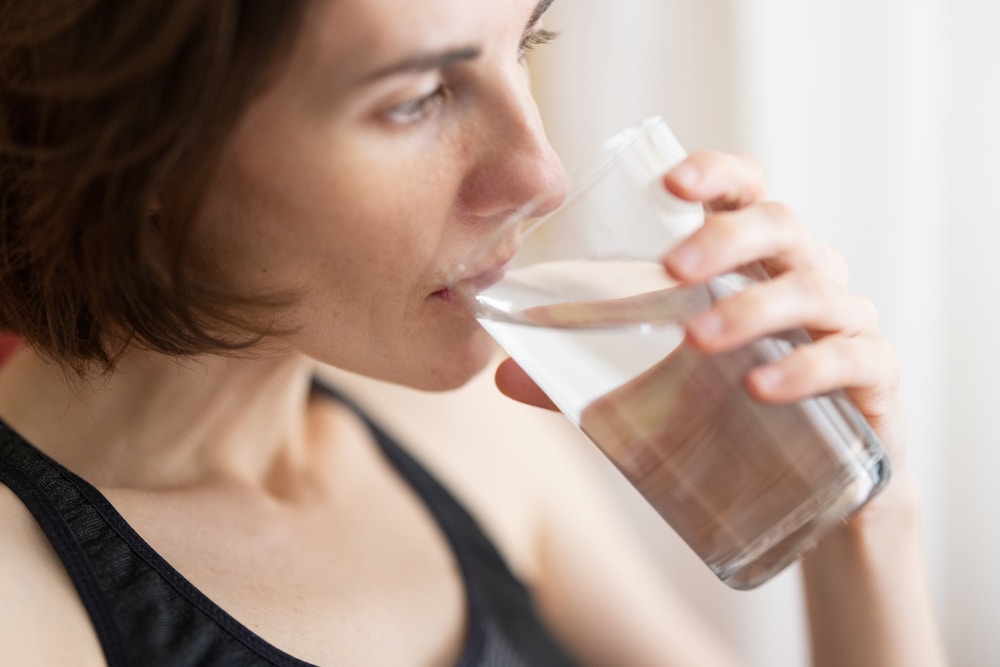
Older adults naturally have less total body water. Their kidneys may not work as efficiently. Many seniors take medications such as diuretics or blood pressure drugs that increase fluid loss. Some may have memory challenges that make them forget to drink water.
Even mild dehydration can lead to:
- Urinary tract infections
- Kidney problems
- Low blood pressure
- Increased fall risk
- Hospitalization
That is why recognizing early signs of dehydration in seniors is critical.
10 Common Dehydration Symptoms in Elderly Adults
Recognizing dehydration symptoms in elderly adults early can prevent serious complications. Unlike younger adults, seniors may not clearly express thirst. Instead, dehydration often shows up through subtle physical and mental changes.
Here are the most common elderly dehydration warning signs you should watch for:
1. Dry Mouth and Cracked Lips
One of the earliest and most noticeable signs of dehydration is a dry, sticky mouth. Lips may appear cracked or peeling, and the tongue may feel rough.
In seniors, saliva production naturally decreases with age. When dehydration sets in, dryness becomes more pronounced. Denture wearers may also notice increased discomfort because saliva helps keep dentures properly positioned.
If your loved one frequently asks for water or complains of a dry mouth, it may be an early dehydration symptom in elderly adults.
2. Dark Yellow Urine
Urine color is one of the simplest and most reliable indicators of hydration status.
Healthy urine should be pale yellow. When urine becomes dark yellow, amber, or has a strong odor, it often signals dehydration. Seniors may also urinate less frequently because the body is trying to conserve fluids.
In older adults, reduced urination can sometimes be mistaken for bladder issues. Monitoring urine color daily is an easy prevention strategy.
3. Fatigue and Weakness
Unusual tiredness without physical exertion is a common sign of dehydration in seniors.
When the body lacks fluids, blood volume decreases. This reduces oxygen delivery to muscles and organs, leading to weakness, sluggishness, and low energy levels.
Because fatigue is common in aging, dehydration-related tiredness is often overlooked. If weakness appears suddenly or worsens quickly, hydration should be assessed immediately.
4. Dizziness or Lightheadedness
Dizziness is especially dangerous in elderly adults because it increases the risk of falls and fractures.
Dehydration lowers blood pressure and reduces circulation to the brain. This can cause lightheadedness, especially when standing up quickly (a condition known as orthostatic hypotension).
If an older adult feels unsteady when rising from bed or a chair, dehydration may be contributing.
5. Confusion or Sudden Memory Problems
One of the most serious dehydration symptoms in elderly individuals is sudden confusion.
Even mild dehydration can disrupt electrolyte balance and affect brain function. Seniors may appear disoriented, forgetful, irritable, or unusually withdrawn.
Family members sometimes assume confusion is dementia progression. However, rapid mental changes often indicate dehydration and should be addressed immediately.
Sudden confusion is always a red flag.
6. Headaches
Headaches occur when fluid loss reduces blood flow and oxygen supply to the brain.
In elderly adults, headaches may feel dull, persistent, or pressure-like. Because seniors may not always communicate discomfort clearly, headaches may show up as irritability or restlessness.
If a headache improves after drinking fluids, dehydration was likely a contributing factor.
7. Rapid Heartbeat
When the body loses fluids, blood volume decreases. To compensate, the heart pumps faster to circulate the remaining blood.
This may result in a noticeable rapid or irregular heartbeat. Some seniors may feel palpitations or shortness of breath with minimal activity.
A persistently elevated heart rate combined with other dehydration warning signs requires medical attention.
8. Low Blood Pressure
Dehydration reduces blood volume, which can lead to low blood pressure.
Symptoms include:
- Blurred vision
- Weakness
- Faintness
- Feeling unstable when standing
Low blood pressure significantly increases fall risk in elderly adults. Frequent episodes of lightheadedness should never be ignored.
9. Sunken Eyes
In moderate to severe dehydration, the eyes may appear slightly sunken or hollow.
The skin around the eyes may look darker, and tear production may decrease. Caregivers sometimes describe the person as looking “tired” or “drawn.”
Although subtle, changes in facial appearance can be important early indicators.
10. Dry, Cool Skin
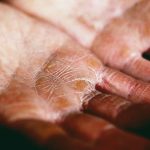
Healthy skin has elasticity and bounces back when gently pinched. Dehydrated skin may feel cool, dry, and less elastic.
In elderly adults, skin is already thinner and more fragile. Dehydration can make it appear more wrinkled or papery.
Delayed skin “bounce back” (poor skin turgor) is a classic clinical sign of dehydration.
Why These Symptoms Are Often Missed
Dehydration symptoms in elderly adults may appear mild at first. Many signs — fatigue, confusion, weakness — are commonly mistaken for normal aging or medication side effects.
However, when multiple symptoms occur together, it often signals moderate to severe dehydration.
The key is noticing patterns:
- Is confusion sudden?
- Is fatigue worse than usual?
- Is urine darker than normal?
- Has fluid intake decreased?
Early recognition can prevent hospitalization, kidney complications, and serious health emergencies.
What Causes Dehydration in the Elderly?
Understanding dehydration causes in elderly adults helps prevent complications.
- Reduced Thirst Sensation: Seniors may not feel thirsty even when their body needs water.
- Medications: Diuretics, laxatives, and some blood pressure medications increase fluid loss.
- Chronic Illness: Conditions like diabetes increase urination and fluid loss.
- Fever, Vomiting, or Diarrhea: Illness can rapidly deplete fluids.
- Heat Exposure: Hot weather significantly raises dehydration risk.
- Mobility or Memory Issues: Difficulty accessing water or forgetting to drink.