Guava is best known for its sweet, fragrant fruit, but the leaves of the guava tree have also been used traditionally in herbal preparations for generations. Today, researchers are studying guava leaves benefits because the leaves contain a variety of plant compounds, including flavonoids, phenolic acids, tannins, and other phytochemicals.
Research suggests that guava leaf extracts may have antioxidant, antimicrobial, anti-inflammatory, and metabolic effects. However, it is important to understand that much of the research has been conducted using concentrated extracts, laboratory models, or animals. The effects of a homemade cup of guava leaf tea may not be the same.
So, what are guava leaves good for? In this guide, we’ll explore the potential benefits of guava leaves, how guava leaf tea is traditionally prepared, possible uses for digestion, skin, hair, and oral health, and important safety considerations.
Disclaimer: This article is for educational purposes only and does not provide medical advice. Guava leaves should not be used to diagnose, treat, or cure a medical condition or as a replacement for prescribed medication. Speak with a qualified healthcare professional before using herbal preparations regularly, particularly if you take medication or have an existing health condition.
What Are Guava Leaves?
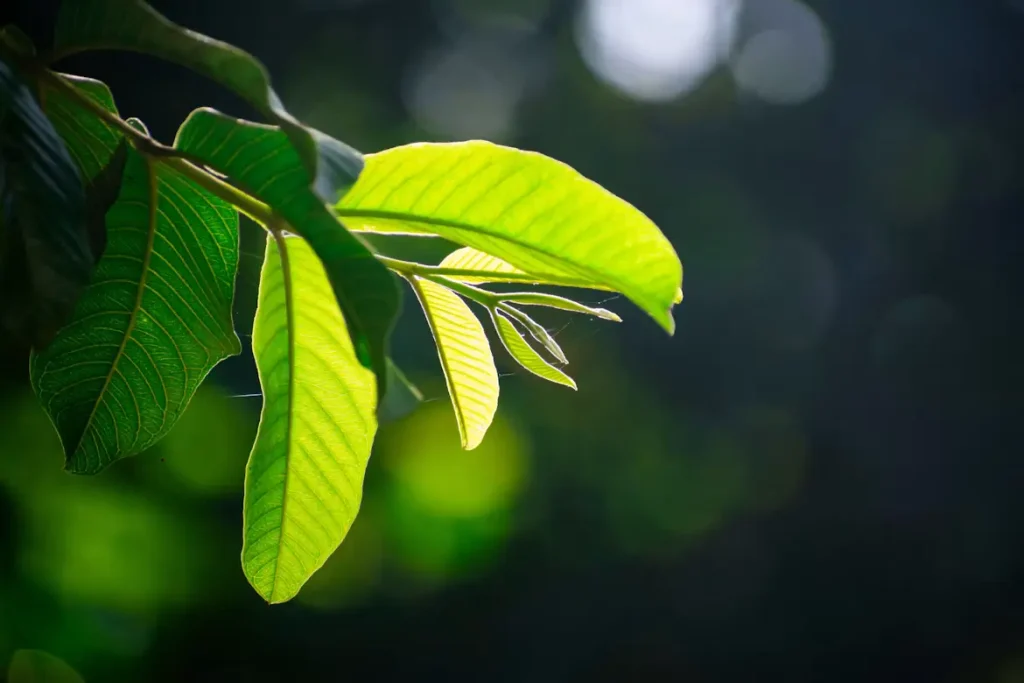
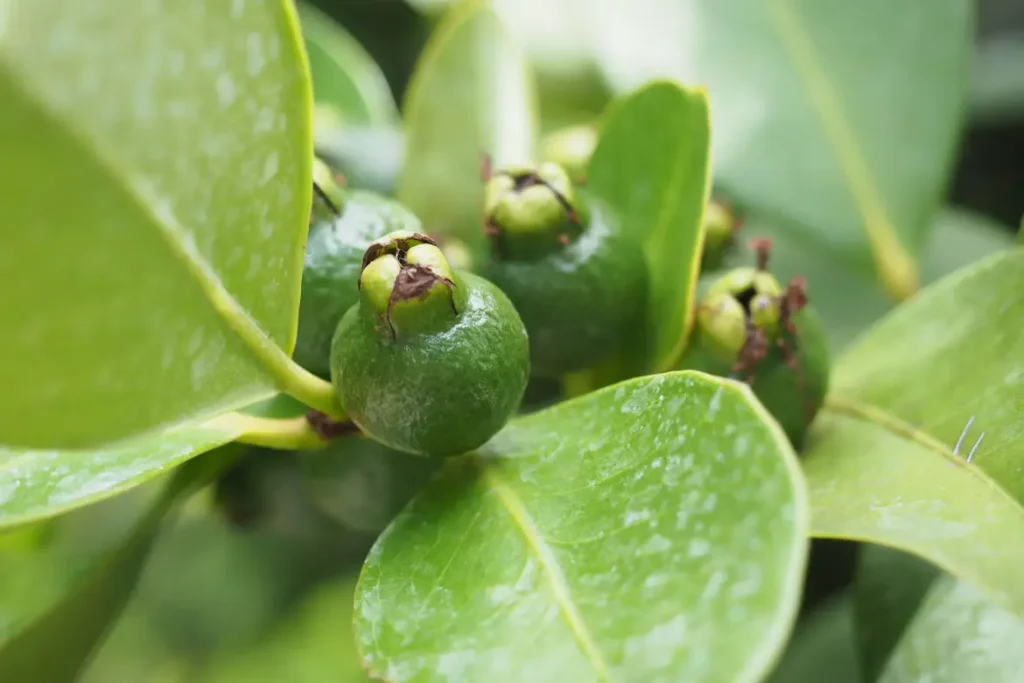
Guava leaves come from the guava tree, scientifically known as Psidium guajava. The plant belongs to the Myrtaceae family and grows widely in tropical and subtropical regions.
The leaves are oval-shaped, aromatic, and typically green when mature. In traditional medicine systems, guava leaves have been prepared in several ways, including teas, infusions, rinses, and topical preparations.
Researchers have identified numerous bioactive compounds in guava leaves, including quercetin, kaempferol, catechins, gallic acid, chlorogenic acid, and other phenolic compounds. These substances are thought to contribute to many of the biological activities being investigated.
This is one reason guava leaves have attracted attention as a potential medicinal plant.
10 Potential Guava Leaves Benefits
1. Guava Leaves May Support Healthy Digestion
One of the best-known traditional uses of guava leaves is for digestive health.
Guava leaf preparations have traditionally been used for digestive complaints, including diarrhea and stomach discomfort. Research has investigated the antispasmodic and antidiarrheal properties of guava leaf extracts, although the strength of evidence varies depending on the preparation and condition being studied.
Some research suggests that compounds in guava leaves may affect intestinal movement and secretions. This may help explain why guava leaves have been used traditionally for digestive problems.
However, having diarrhea can sometimes indicate an infection or another condition that needs medical attention. Guava leaf tea should not be considered a substitute for appropriate treatment, especially when symptoms are severe, persistent, or accompanied by dehydration, blood in the stool, or high fever.
2. Guava Leaves Are Rich in Antioxidant Compounds
Another important potential benefit of guava leaves is their antioxidant activity.
Guava leaves contain several types of polyphenols and flavonoids. These plant compounds can act as antioxidants in laboratory settings by helping neutralize reactive molecules associated with oxidative stress.
Oxidative stress occurs when reactive molecules outnumber the body’s ability to control them. Maintaining a diet rich in fruits, vegetables, and other plant foods is one way to obtain a variety of naturally occurring antioxidant compounds.
That does not mean guava leaf tea prevents disease. Antioxidant activity observed in a laboratory does not automatically translate into a specific health outcome in humans.
Still, the antioxidant profile of guava leaves is one of the reasons researchers continue to study them.
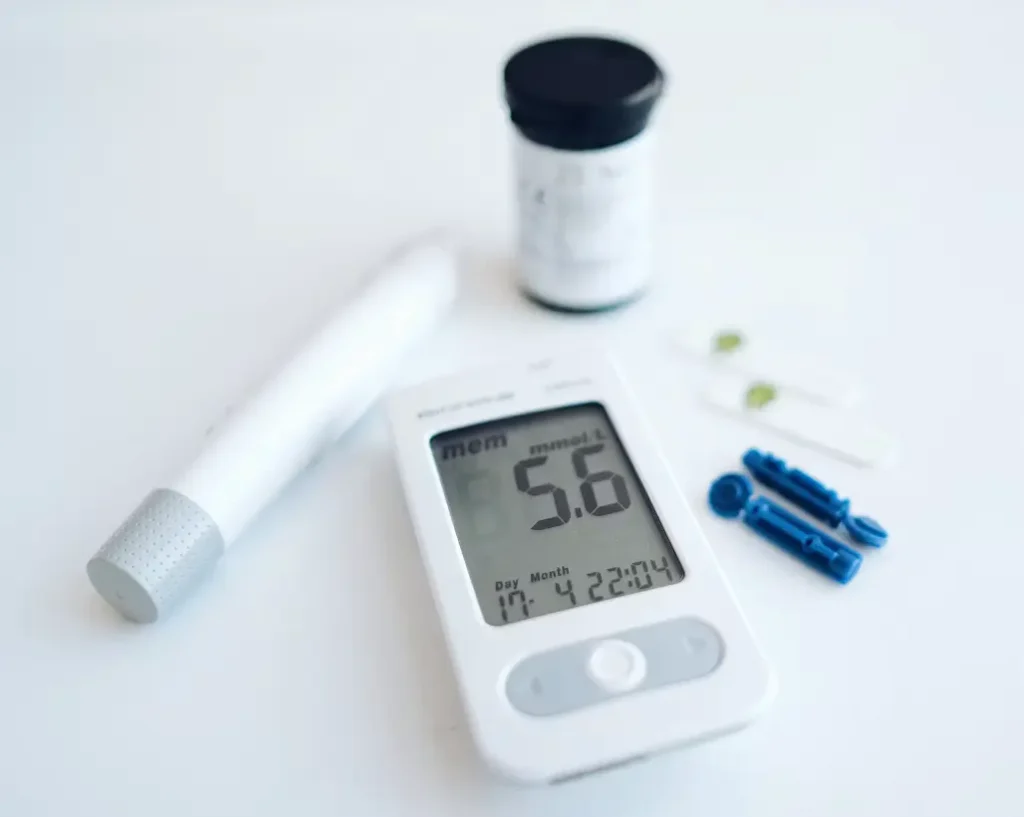
3. Guava Leaves May Help Support Healthy Blood Sugar Levels
Blood sugar is another area where guava leaf research has attracted attention.
Studies have investigated guava leaf extracts for their potential effects on enzymes involved in carbohydrate digestion and glucose metabolism. Reviews of the scientific literature have reported promising antidiabetic activity, but researchers also emphasize the need for more well-designed clinical trials.
This is important because a promising laboratory result is not the same as a proven treatment for diabetes.
If you have diabetes or take medication that affects blood glucose, do not replace your prescribed treatment with guava leaf tea or an herbal extract. Adding an herb that may influence blood sugar could potentially complicate glucose management.
Instead, discuss herbal products with your healthcare professional before using them regularly.
4. Guava Leaves May Support Cardiovascular Health
Some research has explored whether guava leaves may have effects related to cardiovascular health, including blood pressure and lipid metabolism.
The potential benefits may be connected to the plant’s antioxidant and anti-inflammatory compounds. Researchers have also investigated guava leaf preparations for their effects on cholesterol and other metabolic markers.
However, this does not mean guava leaves can treat high blood pressure, high cholesterol, or heart disease.
A heart-healthy lifestyle still depends on proven strategies such as eating a balanced diet, being physically active, maintaining a healthy weight when appropriate, avoiding tobacco, and following medical advice.
Think of guava leaves as an area of research—not a replacement for evidence-based cardiovascular care.
5. Guava Leaves May Have Antimicrobial Properties
Another interesting area of guava leaf benefits is antimicrobial activity.
Laboratory studies have found that compounds in guava leaves can inhibit the growth of certain microorganisms. Recent research has continued to investigate guava leaf extracts against clinically important bacteria.
This may help explain some traditional applications of guava leaves.
However, laboratory antimicrobial activity should not be confused with an herbal preparation being an effective antibiotic in humans.
If you have a bacterial infection, do not replace antibiotics prescribed by a healthcare professional with guava leaves.
More research is needed to determine which compounds are responsible for these effects, the appropriate concentrations, and whether they have meaningful clinical applications.
6. Guava Leaves May Support Oral Health
Guava leaves have also been traditionally used in oral care.
Researchers have studied guava leaf extracts for antimicrobial activity involving microorganisms associated with the mouth. This has generated interest in possible applications for oral hygiene and gum health.
Still, guava leaf preparations should not replace basic dental care.
For reliable oral health, the American Dental Association recommends brushing twice a day with fluoride toothpaste and cleaning between the teeth daily.
If you enjoy guava leaf tea or use a properly prepared herbal rinse as part of your routine, consider it complementary rather than a replacement for brushing, interdental cleaning, and professional dental care.

7. Guava Leaves May Benefit Skin Health
The antioxidant and anti-inflammatory properties of guava leaves have also led researchers to investigate their potential for skin-related applications.
Plant compounds found in guava leaves may help explain why guava preparations have been used traditionally for various skin applications.
However, evidence for many popular claims about guava leaves for skin is still limited. A homemade guava leaf preparation should not be promoted as a proven treatment for acne, eczema, infections, wounds, or other skin disorders.
If you decide to apply a plant preparation to your skin, use caution. Skin can react differently to botanical ingredients, particularly when they are concentrated.
Stop using a preparation if it causes irritation, burning, swelling, or a rash.
8. Guava Leaves May Support Scalp and Hair Care
Guava leaves are also popular in traditional hair-care practices.
Some people use guava leaf infusions as a scalp rinse because of the plant’s antioxidant and antimicrobial properties. These properties make guava leaves an interesting subject for cosmetic and personal-care research.
However, there is currently not enough strong human evidence to conclude that guava leaves promote hair growth or treat hair loss.
Hair loss can have many causes, including nutritional deficiencies, hormonal changes, genetics, medications, stress, and medical conditions. If hair loss is sudden, severe, or persistent, identifying the underlying cause is more useful than relying solely on a home remedy.
In other words, guava leaves may be an interesting traditional scalp-care option, but they should not be presented as a clinically proven hair-growth treatment.
9. Guava Leaves May Have Anti-Inflammatory Potential
Inflammation is another area of interest in guava leaf research.
Studies have identified compounds in guava leaves with potential anti-inflammatory activity. Researchers believe phenolic compounds and flavonoids may contribute to some of these effects.
This is promising, but it is important to distinguish anti-inflammatory activity in experimental studies from treating inflammatory diseases in humans.
Conditions involving chronic inflammation can be complex and may require medical diagnosis and treatment.
For general wellness, a diet containing a variety of fruits, vegetables, whole grains, legumes, nuts, and other minimally processed plant foods provides many different beneficial compounds.
10. Guava Leaves May Support Overall Wellness
The final benefit is less about one specific condition and more about the nutritional and phytochemical potential of the plant.
Guava leaves contain multiple bioactive compounds, including phenolic acids, flavonoids, tannins, and other phytochemicals. Researchers are studying these compounds for antioxidant, antimicrobial, anti-inflammatory, metabolic, and other biological activities.
This makes guava leaves an interesting traditional herbal ingredient.
But there is no single herb that can replace the fundamentals of good health.
Adequate sleep, regular movement, nutritious food, stress management, preventive healthcare, and appropriate medical treatment remain the foundation of long-term wellness.
Guava Leaf Tea Benefits: What Should You Know?
Guava leaf tea is one of the simplest ways people traditionally use guava leaves.
Unlike concentrated extracts, tea is made by steeping or simmering leaves in water. This means the amount and type of compounds extracted can vary depending on the leaves, preparation method, temperature, and steeping time.
Research conducted using a concentrated guava leaf extract should therefore not automatically be interpreted as proof that the same effect will occur after drinking a homemade cup of tea.
Potential reasons people choose guava leaf tea include its traditional use for digestion and its naturally occurring plant compounds.
If you enjoy it, think of guava leaf tea as a traditional herbal beverage—not a medicinal cure.
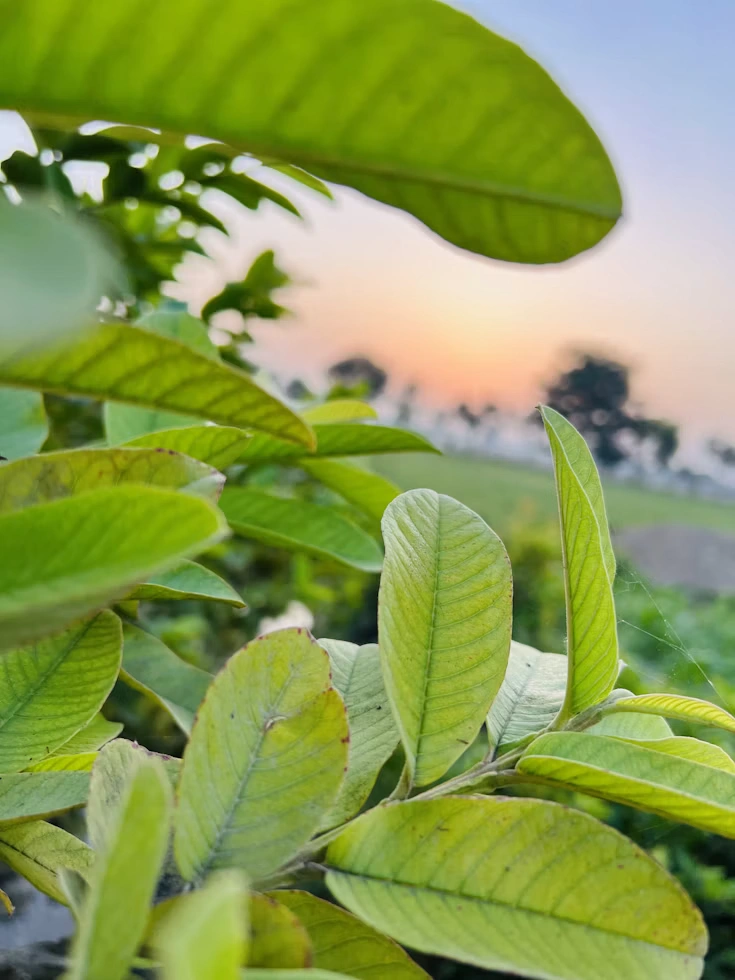
How to Make Guava Leaf Tea
Making a simple guava leaf infusion does not require complicated equipment.
Ingredients
- Fresh, clean guava leaves or properly dried guava leaves
- Water
Instructions
- Wash the guava leaves thoroughly under clean running water.
- Bring water to a boil.
- Add the cleaned leaves to the hot water.
- Allow them to steep or gently simmer for several minutes.
- Strain the leaves from the liquid.
- Allow the tea to cool to a comfortable drinking temperature.
You can drink the tea plain if you prefer.
There is currently no universally established therapeutic dose for homemade guava leaf tea. Because research studies often use standardized extracts rather than homemade preparations, it is not appropriate to assume that more tea means more health benefits.
For that reason, avoid consuming highly concentrated preparations unless they have been recommended by an appropriately qualified healthcare professional.
How to Use Guava Leaves
Traditional uses of guava leaves include:
- Guava leaf tea: Leaves are steeped or simmered in water.
- Herbal infusions: The leaves are prepared in water for traditional wellness purposes.
- Oral rinses: Some traditional practices use guava leaf preparations for oral hygiene.
- Hair and scalp rinses: Infusions may be used as part of traditional hair-care routines.
- Topical preparations: Some cultures use guava leaves in traditional skin-care practices.
The important distinction is between traditional use and scientifically established treatment.
Research can help identify whether a traditional practice has biological activity, but clinical trials are needed to determine whether it is safe and effective for a specific medical condition.
Are Guava Leaves Safe?
Guava leaves have a long history of traditional use, but that does not mean every preparation is automatically safe for everyone.
The safety of an herbal product can depend on the preparation, concentration, amount consumed, frequency of use, and the person’s individual health.
The National Center for Complementary and Integrative Health (NCCIH) notes that evidence for herbal products varies widely and that supplements can interact with medications or present other risks.
This is especially important if you take prescription medication.
If you regularly take medication for blood sugar, blood pressure, cholesterol, blood clotting, or another chronic condition, speak with your doctor or pharmacist before using concentrated guava leaf products.
Guava Leaves Side Effects and Precautions
There is not enough high-quality evidence to establish a complete list of side effects for every form of guava leaf preparation.
Possible concerns include:
- Digestive discomfort
- Allergic reactions
- Skin irritation from topical preparations
- Interactions with medications
- Contamination from improperly prepared plant material
- Unknown risks associated with concentrated extracts
The word “natural” does not automatically mean “safe.”
NCCIH specifically advises consumers to consider potential medication interactions, product quality, contamination, and the limited safety data available for many herbal products.
Pregnant or breastfeeding individuals, children, older adults taking multiple medications, and people with chronic health conditions should be particularly cautious with medicinal doses of herbal products.
Frequently Asked Questions About Guava Leaves Benefits
What are the main benefits of guava leaves?
Potential guava leaves benefits being researched include antioxidant, antimicrobial, anti-inflammatory, digestive, and metabolic effects. However, the strength of evidence varies, and more high-quality human studies are needed.
Is it good to drink guava leaf tea every day?
There is not enough evidence to establish a universally appropriate daily therapeutic amount of guava leaf tea. Occasional traditional use is different from taking concentrated extracts for medicinal purposes.
What does guava leaf tea help with?
Guava leaf tea is traditionally used for digestive wellness, and researchers have investigated guava leaves for antioxidant, antimicrobial, and metabolic effects. These findings should not be interpreted as proof that tea treats a medical condition.
Can guava leaves help lower blood sugar?
Research has investigated guava leaf extracts and glucose metabolism, with some promising findings. However, more clinical research is needed. People with diabetes should not replace prescribed treatment with guava leaves.
Are guava leaves good for the skin?
Guava leaves contain antioxidant and other bioactive compounds that have attracted research interest. However, evidence for treating specific skin conditions remains limited.
Can guava leaves help with hair growth?
Guava leaves are traditionally used in some hair-care practices, but there is insufficient high-quality human evidence to conclude that they promote hair growth or treat hair loss.
How do you make guava leaf tea?
Wash clean guava leaves, add them to hot water, steep or gently simmer for several minutes, and strain before drinking. There is no universally established medicinal dosage for homemade guava leaf tea.
Are guava leaves safe to drink?
Traditional use does not guarantee safety for everyone. People taking medication or managing a health condition should speak with a healthcare professional before using guava leaves regularly or in concentrated forms.
Final Thoughts on Guava Leaves Benefits
The potential guava leaves benefits are an interesting example of how traditional plant knowledge can inspire modern scientific research.
Guava leaves contain a variety of bioactive compounds, including flavonoids and phenolic compounds. Studies have explored their antioxidant, antimicrobial, anti-inflammatory, digestive, and metabolic properties.
At the same time, much of the evidence remains preliminary. A 2021 review of guava leaves specifically noted that more detailed clinical trials are needed to establish the effectiveness of guava leaf extracts.
That means guava leaf tea can be an interesting traditional herbal beverage, but it should not be treated as a cure-all.
If you’re interested in medicinal plants and natural approaches to wellness, explore more evidence-informed guides in The PlantTube’s Medicinal Plants, Home Remedies, and Health Tips and Facts sections.
Medical Disclaimer
This article is intended for general educational and informational purposes only. It is not intended to provide medical advice, diagnosis, or treatment. The information presented about guava leaves and guava leaf tea is based on available research and traditional use, but evidence for many potential benefits remains limited.
Do not use guava leaves or any herbal preparation to replace prescribed medication or professional medical care. Consult a qualified healthcare professional before using guava leaves medicinally, especially if you are pregnant, breastfeeding, taking medication, managing a chronic condition, or considering concentrated herbal extracts.