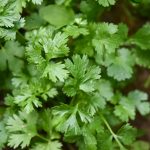
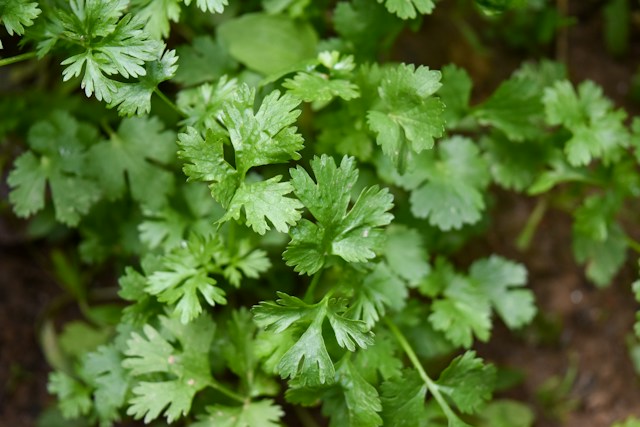
Coriander leaves are more than just a colorful garnish. Also known as cilantro, these fresh green leaves are used in cuisines around the world to add flavor, aroma, and freshness to meals.
But what are the actual coriander leaves benefits, and what does scientific research say about this popular herb?
Coriander leaves contain vitamins, minerals, antioxidants, and other naturally occurring plant compounds. Research on Coriandrum sativum, the plant that produces coriander leaves and seeds, has explored its antioxidant, digestive, metabolic, and cardiovascular properties. However, much of the research involves extracts, seeds, oils, laboratory studies, or animals rather than simply eating fresh coriander leaves.
That distinction is important.
Fresh coriander can be a nutritious addition to a balanced diet, but it should not be viewed as a miracle cure or replacement for medical treatment.
In this guide, we’ll explore the health benefits of coriander leaves, their nutritional value, how to eat them, possible side effects, and simple ways to add more fresh coriander to your meals.
What Are Coriander Leaves?
Coriander is an aromatic herb scientifically known as Coriandrum sativum. The plant belongs to the Apiaceae family, which also includes carrots, parsley, celery, and fennel.
The terminology can sometimes be confusing.
In many countries, including the Philippines, India, and the United Kingdom, the fresh green leaves are commonly called coriander leaves or simply coriander. In the United States and Canada, the fresh leaves are usually called cilantro, while the dried seeds are called coriander.
The leaves have a bright, citrusy, slightly peppery flavor. Some people love their distinctive taste, while others find that fresh coriander has an unusual or even soapy flavor. This difference in taste perception may be influenced partly by genetic differences in how certain aromatic compounds are detected.
Fresh coriander is commonly added to:
- Soups
- Curries
- Salads
- Salsas
- Chutneys
- Rice dishes
- Noodle dishes
- Tacos
- Bean and lentil dishes
- Grilled meat and vegetables
- Sauces and dips
Like other fresh herbs, coriander is an easy way to add flavor and variety to meals.
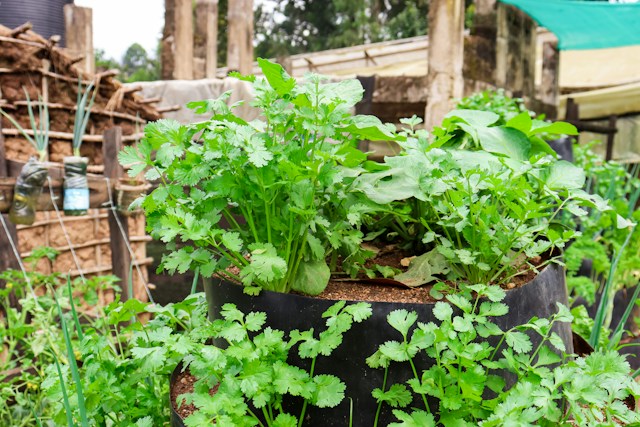
Coriander Leaves Nutrition
One reason coriander is worth adding to your meals is that it provides nutrients and plant compounds while being used in relatively small amounts.
Fresh coriander contains nutrients such as:
- Vitamin K
- Vitamin C
- Vitamin A-related carotenoids
- Folate
- Potassium
- Calcium
- Magnesium
- Iron
- Various antioxidant and polyphenolic compounds
Vitamin K is particularly relevant because leafy green plants are important dietary sources of vitamin K1. Vitamin K plays important roles in normal blood clotting and bone metabolism.
Coriander also contains vitamin C. This vitamin is involved in collagen production, immune function, and antioxidant activity, and it helps the body absorb non-heme iron from plant foods.
Of course, coriander is normally eaten as a garnish or herb rather than in large quantities. Therefore, it should complement a varied diet rather than be relied upon as a major source of any single nutrient.
For example, you can combine fresh coriander with beans, lentils, vegetables, whole grains, fruits, nuts, and seeds to create a more nutrient-rich overall diet.
8 Potential Coriander Leaves Benefits
So, what are the potential benefits of coriander leaves?
Here are eight reasons this simple herb deserves a place in your kitchen.
1. Coriander Leaves Provide Antioxidant Compounds
One of the most interesting potential coriander leaves benefits is their supply of naturally occurring plant compounds with antioxidant activity.
Antioxidants help protect cells from oxidative stress caused by reactive molecules produced during normal metabolism and in response to environmental factors.
Researchers have identified several bioactive compounds in Coriandrum sativum, including phenolic compounds, flavonoids, terpenoids, and other phytochemicals. Laboratory and review research has investigated coriander’s antioxidant properties.
However, it is important not to overstate what this means.
A food containing antioxidants does not automatically prevent disease. Instead, coriander can be considered one small part of a diet that includes a wide variety of plant foods.
Adding fresh herbs to vegetables, legumes, whole grains, and other nutrient-rich foods can make healthy meals more flavorful and enjoyable.
2. May Support Heart Health
Another area of interest is the potential relationship between coriander and cardiovascular health.
Research has examined Coriandrum sativum for possible effects involving cholesterol, blood pressure, oxidative stress, and other cardiovascular pathways. A review of the research found that most studies in this area were conducted in animals, with fewer laboratory and clinical studies.
This means the findings are interesting but should not be interpreted as proof that eating coriander leaves can prevent or treat heart disease.
A better way to think about this potential benefit is that coriander can be part of a heart-conscious eating pattern.
For example, use fresh coriander to flavor:
- Bean salads
- Vegetable soups
- Lentil dishes
- Whole-grain bowls
- Fresh tomato salsa
- Fish and vegetable dishes
Using herbs and spices can also help add flavor without relying heavily on salty sauces or highly processed seasonings.
3. May Support Healthy Digestion
Coriander has a long history of traditional use for digestive discomfort.
Research reviews have described traditional uses of Coriandrum sativum for gastrointestinal complaints, including digestive discomfort and flatulence. Researchers have also investigated coriander’s potential effects on gastrointestinal and metabolic processes.
Still, traditional use and clinical evidence are not the same thing.
There is not enough evidence to say that eating coriander leaves will treat digestive disorders.
Instead, fresh coriander can simply be included as part of a varied, plant-rich diet.
If you occasionally feel overly full after a meal, adding fresh herbs to your food may make meals more enjoyable. But persistent abdominal pain, ongoing diarrhea, vomiting, unexplained weight loss, blood in the stool, or major changes in bowel habits should be evaluated by a healthcare professional.
4. Provides Vitamin K
Fresh leafy herbs can contribute vitamin K to your diet, and coriander is one of them.
Vitamin K is important for normal blood clotting and also plays a role in bone health. The NIH notes that phylloquinone, or vitamin K1, is found primarily in green leafy vegetables and other plant foods.
Because coriander is generally eaten in smaller quantities than vegetables such as spinach or kale, it should not be considered your primary vitamin K source.
Still, adding a handful of fresh coriander to a meal can contribute to your overall nutrient intake.
Important note about vitamin K and medications
If you take warfarin or another medication affected by vitamin K intake, talk with your healthcare professional before making major changes to your diet.
The goal is generally not to avoid vitamin K completely. Instead, people taking certain anticoagulants may need to maintain a consistent dietary intake according to their healthcare provider’s instructions.
5. Provides Vitamin C and Other Micronutrients
Another potential benefit of fresh coriander is its contribution of vitamin C and other micronutrients.
Vitamin C is essential for collagen production, normal immune function, and antioxidant activity. It also helps improve the absorption of non-heme iron found in plant foods.
This makes coriander an interesting addition to meals containing plant-based sources of iron.
For example, try adding fresh coriander to:
- Lentil soup
- Chickpea salad
- Black bean tacos
- Vegetable curry
- Bean and rice bowls
Pairing a variety of plant foods is more important than focusing on one herb or ingredient.
If you’re interested in learning more about nutrients and common deficiency symptoms, you can also explore our guide to [Signs of Iron Deficiency].
6. May Contribute Beneficial Plant Compounds to the Diet
Coriander leaves contain a variety of naturally occurring phytochemicals.
Research has identified phenolic compounds, flavonoids, essential-oil components, carotenoids, and other bioactive compounds in different parts of the coriander plant. The exact composition can vary depending on the plant variety, growing conditions, maturity, and processing method.
This is one reason scientists continue to study coriander.
However, laboratory findings should not be confused with proven health outcomes in humans.
Rather than thinking of coriander as a medicinal treatment, consider it a flavorful plant food that contributes to dietary variety.
The same principle applies to other herbs.
For example, you can learn more about the potential [Mint Leaves Benefits] and how fresh herbs can fit into an everyday diet.
7. May Be of Interest for Metabolic Health
Coriander has also been studied for possible effects related to blood sugar and lipid metabolism.
Some laboratory and animal studies have produced interesting findings, and human research is beginning to explore certain uses of coriander preparations. However, the available evidence is still limited and often involves coriander seeds, powders, extracts, or concentrated preparations rather than fresh coriander leaves.
For that reason, it would be misleading to say that coriander leaves “lower blood sugar” or “treat diabetes.”
If you have diabetes or another metabolic condition, continue following your healthcare professional’s treatment and nutrition recommendations.
Fresh coriander can still be a useful culinary ingredient because it adds flavor with relatively little effort.
8. Makes Healthy Meals More Flavorful
This may sound simple, but it is one of the most practical coriander leaves benefits.
Healthy food doesn’t have to be bland.
Fresh coriander can add a strong, bright flavor to meals without requiring large amounts of sugar, saturated fat, or salty sauces.
Try sprinkling chopped coriander over:
- Vegetable soups
- Grilled fish
- Chicken
- Lentils
- Rice
- Roasted vegetables
- Salads
- Homemade salsa
- Avocado toast
- Bean bowls
If an herb makes nutritious food more enjoyable, you’re more likely to use it regularly.
That can make coriander a practical part of a healthy eating pattern.
Coriander Leaves Benefits for Skin: What Does the Evidence Say?
You may see claims online that coriander leaves are a natural solution for acne, dark spots, aging skin, or other skin problems.
These claims should be treated cautiously.
Coriander contains vitamin C and antioxidant plant compounds, and vitamin C plays an important role in collagen production and antioxidant protection.
However, eating coriander does not mean it will automatically improve a specific skin condition.
Research involving coriander extracts or isolated compounds also cannot necessarily be applied to eating a handful of fresh leaves.
If you have a persistent skin problem, speak with a dermatologist or other qualified healthcare professional rather than relying on coriander as a treatment.
Can Coriander Leaves Help Hair Growth?
There is currently not enough evidence to say that eating fresh coriander directly causes hair growth.
Hair health depends on many factors, including genetics, hormones, overall nutrition, health conditions, medications, and stress.
Coriander can contribute nutrients as part of a varied diet, but it should not be promoted as a hair-loss treatment.
If you are experiencing significant or unexplained hair loss, it may be worth discussing the issue with a healthcare professional.
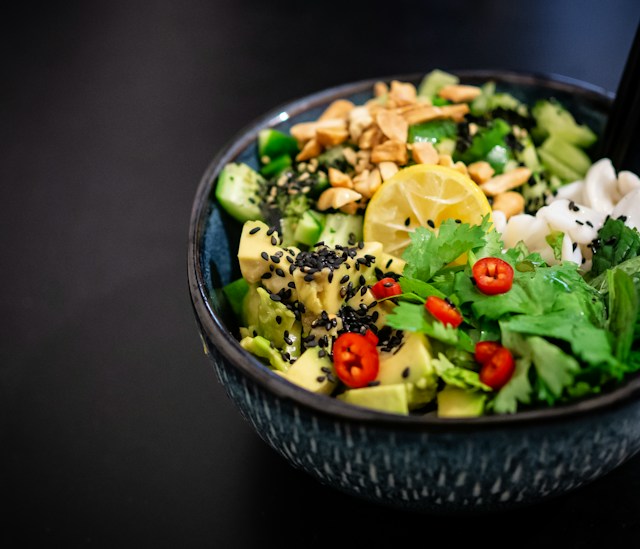
How to Eat Coriander Leaves
One of the easiest things about coriander is how versatile it is.
You don’t need a complicated recipe to enjoy it.
Add Fresh Coriander to Salads
Chop a small handful and toss it into a green salad, tomato salad, cucumber salad, or bean salad.
Add It to Soups
Fresh coriander works especially well with vegetable soups, lentil soups, noodle soups, and spicy broths.
For the freshest flavor, add it near the end of cooking or use it as a garnish.
Add It to Rice and Grain Bowls
Mix chopped coriander into cooked rice, quinoa, brown rice, or other grains.
Make Fresh Coriander Chutney
Coriander can be blended with lime juice, garlic, ginger, chili, and other ingredients to create a flavorful chutney.
Use It in Salsa
Combine chopped coriander with tomatoes, onion, lime juice, and chili for a simple fresh salsa.
Easy Fresh Coriander Chutney Recipe
If you’re looking for an easy way to enjoy fresh coriander, try this simple chutney.
Ingredients
- 1 large handful fresh coriander leaves and tender stems
- 1 small garlic clove
- ½ inch fresh ginger
- 1 small green chili, optional
- Juice of ½ lime
- 2–3 tablespoons water
- A small pinch of salt
Instructions
- Wash the coriander thoroughly under running water.
- Remove any damaged or spoiled leaves.
- Add the coriander, garlic, ginger, chili, and lime juice to a blender.
- Add a small amount of water.
- Blend until smooth.
- Add more water if you prefer a thinner consistency.
- Taste and adjust the seasoning.
- Serve with vegetables, rice, lentils, grilled foods, or whole-grain dishes.
Because this recipe uses fresh ingredients, store leftovers in the refrigerator and use them promptly.
How to Wash Coriander Leaves Safely
Fresh herbs can become contaminated during growing, harvesting, transportation, storage, or preparation.
The FDA recommends washing fresh produce thoroughly under running water before eating or preparing it. Soap, detergent, or commercial produce washes are not recommended.
For coriander:
- Wash your hands before handling the herb.
- Remove damaged or spoiled leaves.
- Place the coriander under clean running water.
- Gently rub the leaves and stems with your hands.
- Drain and dry with a clean towel or paper towel.
- Use clean utensils and preparation surfaces.
- Refrigerate perishable fresh herbs appropriately.
Washing can reduce bacteria on produce, although it cannot eliminate every potential pathogen.
How to Store Fresh Coriander Leaves
Proper storage can help keep coriander fresh for longer.
Try these simple tips:
- Remove damaged leaves before storing.
- Keep coriander refrigerated.
- Avoid leaving fresh herbs at room temperature for extended periods.
- Use a clean container or storage bag.
- Keep the leaves as dry as practical to reduce premature spoilage.
- Discard coriander if it develops an unpleasant smell, slimy texture, mold, or obvious spoilage.
The FDA recommends storing perishable fresh herbs in a clean refrigerator at 40°F (4°C) or below.
Are There Any Coriander Leaves Side Effects?
Coriander is commonly eaten as a culinary herb, but that doesn’t mean everyone will react to it in exactly the same way.
Some people may experience an allergic reaction to coriander or other plants in the same botanical family.
Possible concerns include:
- Food allergy
- Digestive discomfort in sensitive individuals
- Contamination from improperly handled fresh produce
- Medication-related considerations involving vitamin K
If you develop symptoms such as swelling of the lips or throat, difficulty breathing, widespread hives, or other signs of a serious allergic reaction after eating coriander, seek emergency medical care.
Coriander Leaves vs. Coriander Seeds
Although they come from the same plant, coriander leaves and coriander seeds aren’t interchangeable.
| Feature | Coriander Leaves | Coriander Seeds |
|---|---|---|
| Common U.S. name | Cilantro | Coriander |
| Flavor | Fresh, citrusy, herbaceous | Warm, earthy, spicy |
| Common uses | Salsa, salads, curries, chutneys | Spice blends, curries, baking |
| Plant part | Leaves and tender stems | Dried fruits/seeds |
| Research | Leaves and extracts studied | Seeds and oils extensively studied |
Many studies on coriander involve the seeds or concentrated extracts rather than fresh leaves. Therefore, research findings about coriander seed supplements should not automatically be applied to ordinary culinary use of coriander leaves.
How Much Coriander Should You Eat?
There is no universally established daily amount of fresh coriander leaves that everyone should eat for health.
Coriander is generally used as a culinary herb, so the appropriate amount depends on personal taste and how it fits into your overall diet.
You don’t need to eat large amounts to make use of it.
A small handful can add plenty of flavor to a meal.
Instead of focusing on a specific “daily dose,” focus on variety. Include different vegetables, fruits, whole grains, legumes, nuts, seeds, herbs, and spices throughout the week.
Frequently Asked Questions About Coriander Leaves Benefits
What are the main coriander leaves benefits?
Potential coriander leaves benefits include providing vitamin K, vitamin C, antioxidant plant compounds, and flavor that can make nutritious meals more enjoyable. Research is also investigating coriander’s possible digestive, cardiovascular, and metabolic effects, although much of the evidence comes from laboratory, animal, seed, or extract studies.
Can I eat coriander leaves every day?
For most people, fresh coriander can be included regularly as part of a balanced diet. There is no established daily therapeutic dose for fresh coriander leaves. People taking medications affected by vitamin K should discuss significant dietary changes with their healthcare provider.
Is coriander good for digestion?
Coriander has a long history of traditional use for digestive complaints, and researchers have studied its possible gastrointestinal effects. However, there isn’t enough evidence to say that fresh coriander treats digestive disorders.
Can coriander leaves help lower blood sugar?
Research has explored coriander and blood sugar metabolism, but much of the evidence involves seeds, extracts, animal models, or concentrated preparations. Fresh coriander leaves should not be used as a treatment for diabetes or as a replacement for prescribed medication.
Are coriander leaves good for the skin?
Coriander contains vitamin C and antioxidant compounds, but there is not enough evidence to say that eating coriander leaves treats acne, pigmentation, wrinkles, or other skin conditions.
Can you eat coriander leaves raw?
Yes. Fresh coriander is commonly eaten raw in salads, salsa, chutney, sandwiches, rice dishes, and as a garnish. Wash fresh coriander thoroughly under running water before eating.
What is the difference between cilantro and coriander?
In the United States and Canada, “cilantro” usually refers to the fresh leaves and stems, while “coriander” refers to the dried seeds. In many other countries, the fresh leaves are also called coriander.
Are coriander leaves safe for everyone?
Coriander is generally used as a food, but allergies are possible. People taking medications affected by vitamin K intake should also discuss dietary changes with their healthcare provider.
The Bottom Line: Coriander Leaves Benefits
The coriander leaves benefits story is less about one powerful health effect and more about how this versatile herb can contribute to a healthy eating pattern.
Fresh coriander provides vitamin K, vitamin C, and various plant compounds. Research has also explored its antioxidant, digestive, cardiovascular, and metabolic properties, although stronger human evidence is still needed for many of these potential benefits.
The easiest way to enjoy coriander is simply to use it as an herb.
Add it to soups, salads, curries, rice dishes, chutneys, sauces, and other meals. Its strong flavor can make healthy foods more interesting without requiring large amounts of sugar, salt, or heavy sauces.
And remember: no single herb is a substitute for a balanced diet or appropriate medical care.
If you enjoy learning about the potential benefits of everyday herbs and plant foods, explore more of The PlantTube’s guides on Mint Leaves Benefits, Health Benefits of Ginger Tea, How Much Water Should I Drink Daily?, and Signs of Iron Deficiency.
Medical Disclaimer
This article is provided for general educational and informational purposes only. It is not intended to provide medical advice, diagnosis, or treatment.
Research on coriander varies considerably depending on the plant part, preparation, dosage, and study design. Evidence from coriander seeds, essential oils, extracts, laboratory experiments, or animal studies should not automatically be interpreted as evidence that eating fresh coriander leaves will produce the same effects.
If you are pregnant or breastfeeding, have a medical condition, take prescription medications, have a known food allergy, or are considering concentrated herbal products or supplements, consult a qualified healthcare professional before making significant changes to your diet or treatment plan.
Do not use coriander leaves or other herbal remedies as a replacement for prescribed medical treatment. If you have persistent, severe, or worsening symptoms, seek appropriate medical care.
Sources and Further Reading
- NIH Office of Dietary Supplements — Vitamin C
- NIH Office of Dietary Supplements — Vitamin K
- PubMed — Coriandrum sativum L.: A Review on Ethnopharmacology, Phytochemistry, and Cardiovascular Benefits
- PubMed — Coriander: A holistic outlook on its chemistry and pharmacology
- PubMed — Ethnobotanical and phytochemical aspects of the edible herb Coriandrum sativum L.
- FDA — Selecting and Serving Produce Safely
- FDA — Fresh Herbs Food Safety Guidance