Have you ever wondered why many Filipino households keep lagundi plants in their backyard?
For generations, lagundi has been one of the most trusted herbal remedies in the Philippines. From soothing coughs to supporting respiratory health, this medicinal plant has become a natural go-to option for families looking for affordable and traditional wellness support.
Today, more people are becoming interested in natural healing and herbal medicine. That is why understanding the health benefits of lagundi leaves can help you discover a simple plant that may support your everyday wellness naturally.
In this guide, you will learn about the medicinal uses of lagundi, its potential health benefits, how to use it safely, and important precautions to remember.
What Are Lagundi Leaves?
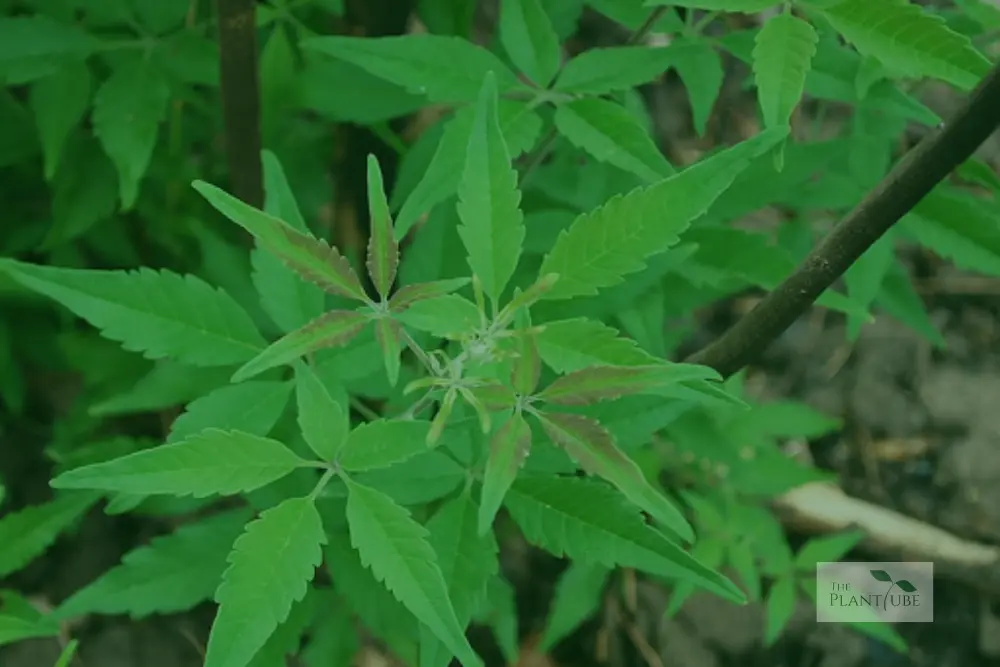
Lagundi is a medicinal plant scientifically known as Vitex negundo. It grows commonly in tropical countries like the Philippines and has long been used in traditional herbal medicine.
The plant is recognized by the Philippine Department of Health (DOH) as one of the country’s recommended herbal plants for certain health concerns, especially cough relief.

Lagundi leaves are known for their pleasant herbal aroma and are commonly prepared as:
- Herbal tea
- Decoction
- Herbal syrup
- Capsules or tablets
Many people use lagundi as a natural remedy for cough, colds, mild asthma symptoms, and body discomfort.
If you enjoy learning about medicinal plants, you may also want to explore more herbal wellness guides on The PlantTube Medicinal Plants Section.
Nutrients and Active Compounds Found in Lagundi
One reason why the lagundi plant health benefits are widely recognized is because its leaves contain beneficial plant compounds, including:
- Flavonoids
- Essential oils
- Anti-inflammatory compounds
- Antioxidants
- Bronchodilator properties
These compounds may help support respiratory health and overall wellness. Some studies also suggest that lagundi may have antimicrobial and pain-relieving properties.
Top Health Benefits of Lagundi Leaves
1. Helps Relieve Cough and Colds
One of the most popular health benefits of lagundi leaves is their ability to help relieve cough symptoms.
Lagundi is commonly used in herbal cough syrups because it may help:
- Loosen mucus
- Reduce throat irritation
- Support easier breathing
This is why many people use lagundi leaves for cough and mild respiratory discomfort.
According to the National Center for Complementary and Integrative Health, herbal remedies may provide supportive relief for some symptoms when used properly alongside medical guidance.
2. Supports Respiratory Health
Lagundi has traditionally been used to support respiratory wellness. Some people use it for:
- Mild asthma symptoms
- Bronchitis
- Breathing discomfort
- Seasonal respiratory irritation
The bronchodilator properties of lagundi may help relax air passages, making breathing feel more comfortable for some individuals.
This makes lagundi benefits for respiratory health one of the most searched herbal remedy topics online today.
3. May Help Reduce Fever Naturally
Traditional herbal practitioners have long used lagundi as a natural fever remedy.
Drinking warm lagundi tea may help promote relaxation and comfort during fever episodes. While it is not a cure, many people use it as supportive care together with proper hydration and rest.
4. Contains Anti-Inflammatory Properties
Inflammation is the body’s response to irritation or injury. Lagundi contains compounds that may help reduce inflammation naturally.
Traditionally, crushed lagundi leaves were sometimes applied externally for:
- Minor body aches
- Joint discomfort
- Muscle pain
Because of these properties, the medicinal uses of lagundi continue to gain attention among herbal wellness enthusiasts.
5. Rich in Antioxidants
Lagundi leaves contain antioxidants that may help protect the body from oxidative stress.
Oxidative stress happens when harmful free radicals build up in the body. Over time, this may contribute to aging and various health concerns.
Adding antioxidant-rich herbs and nutritious foods into your lifestyle may help support overall wellness naturally.
6. May Help Ease Headaches
Some traditional practices involve drinking benefits of lagundi tea preparations to help promote relaxation and comfort during headaches.
Warm herbal drinks can sometimes provide soothing effects, especially when combined with proper rest and hydration.
7. Can Support Immune Wellness
Lagundi contains plant compounds that may help support general wellness and immune health.
Although no herbal plant should replace a balanced diet or medical treatment, adding natural herbs into a healthy lifestyle may provide additional wellness support.
For more natural wellness ideas, visit The PlantTube Health Tips & Facts.
How to Use Lagundi Leaves Safely
Lagundi Tea
One of the easiest ways to enjoy the health benefits of lagundi leaves is by making herbal tea.
Simple Lagundi Tea Recipe
Ingredients:
- 5–7 fresh lagundi leaves
- 2 cups water
Instructions:
- Wash the leaves thoroughly.
- Boil water in a pot.
- Add the lagundi leaves.
- Simmer for 10–15 minutes.
- Strain and allow to cool slightly before drinking.
Some people add honey for taste.
Lagundi Decoction
A decoction is a stronger herbal preparation made by boiling the leaves longer.
This traditional preparation is commonly used in herbal practices for respiratory support.
Lagundi Syrup or Capsules
Lagundi herbal products are widely available in pharmacies and health stores.
Always:
- Follow label instructions
- Avoid excessive intake
- Consult a healthcare professional if needed
Possible Side Effects and Precautions
Although lagundi is widely used as an herbal remedy, it is still important to use it responsibly.
Possible precautions include:
- Avoid excessive consumption
- Pregnant or breastfeeding women should consult a doctor first
- People with existing medical conditions should seek professional advice
- Stop use immediately if allergic reactions occur
Herbal medicine should support—not replace—professional medical care.
Who Should Consider Using Lagundi?
Lagundi may be considered by:
- Individuals looking for natural wellness support
- People interested in traditional herbal medicine
- Adults seeking herbal support for mild cough and colds
- Those exploring medicinal plants in the Philippines
However, serious symptoms should always be evaluated by a healthcare professional.
Frequently Asked Questions About Lagundi Leaves
Can lagundi leaves help with asthma?
Lagundi has traditionally been used to support respiratory comfort. However, asthma is a serious medical condition, so proper medical guidance is still necessary.
How do you make lagundi tea?
You can boil fresh lagundi leaves in water for 10–15 minutes to create a simple herbal tea.
Is lagundi safe for children?
Some lagundi products are formulated specifically for children. Always consult a healthcare professional before giving herbal remedies to children.
Can you drink lagundi tea daily?
Moderate intake may be acceptable for some people, but excessive use is not recommended without medical advice.
What are the medicinal uses of lagundi?
The most common lagundi leaves uses include support for cough, respiratory health, mild fever, and traditional wellness practices.
Final Thoughts on the Health Benefits of Lagundi Leaves
The health benefits of lagundi leaves continue to make this medicinal plant popular in many homes today. From helping soothe coughs to supporting respiratory wellness, lagundi remains one of the most trusted herbal remedies in the Philippines.
Still, natural remedies work best when combined with:
- Healthy lifestyle habits
- Nutritious food
- Proper hydration
- Professional medical guidance when necessary
If you love learning about medicinal plants, natural remedies, and wellness tips, explore more helpful guides at The PlantTube.
Disclaimer
This article is for informational and educational purposes only and is not intended to replace professional medical advice, diagnosis, or treatment. Always consult a qualified healthcare professional before using herbal remedies, especially if you are pregnant, breastfeeding, taking medications, or have existing medical conditions.