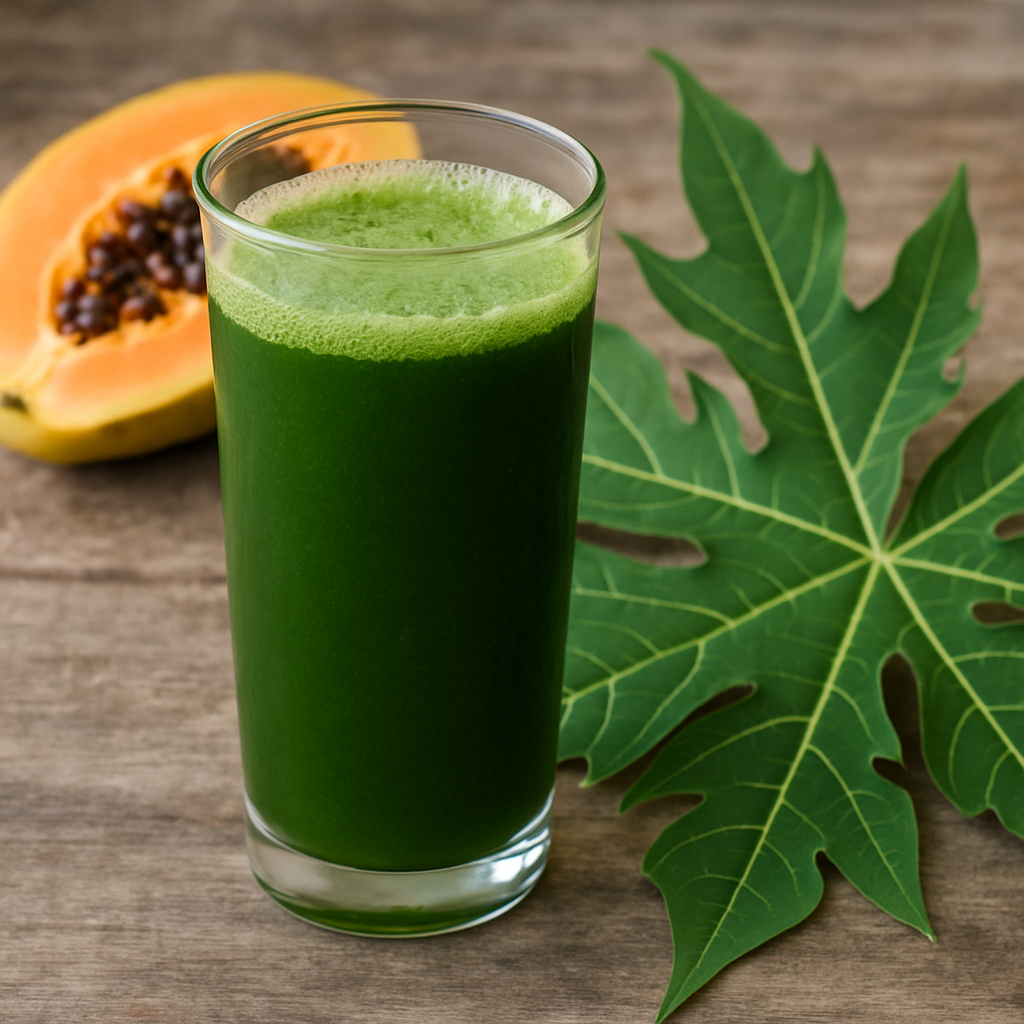
Papaya is best known for its sweet, tropical fruit, but the leaves of the papaya plant have also been used in traditional health practices for generations. From papaya leaf tea and juice to herbal preparations, these leaves have attracted attention for their potential antioxidant, anti-inflammatory, digestive, and other health-related properties.
But how much of what you hear about papaya leaves benefits is actually supported by research?
The answer is more nuanced than many health articles suggest. Studies have identified several interesting compounds in papaya leaves, and some clinical research has explored their potential role in conditions such as dengue-related thrombocytopenia. However, research on papaya leaves is still developing, and not every traditional or online health claim has been proven in humans.
In this guide, we explore the potential papaya leaf benefits, what researchers have discovered, how papaya leaf tea and juice are traditionally used, and important safety considerations.
Disclaimer: This article is for educational purposes only and does not provide medical advice. Papaya leaves should not be used as a replacement for prescribed medication or professional medical care. If you have a medical condition, take medication, are pregnant or breastfeeding, or are considering concentrated papaya leaf extracts, speak with a qualified healthcare professional first.
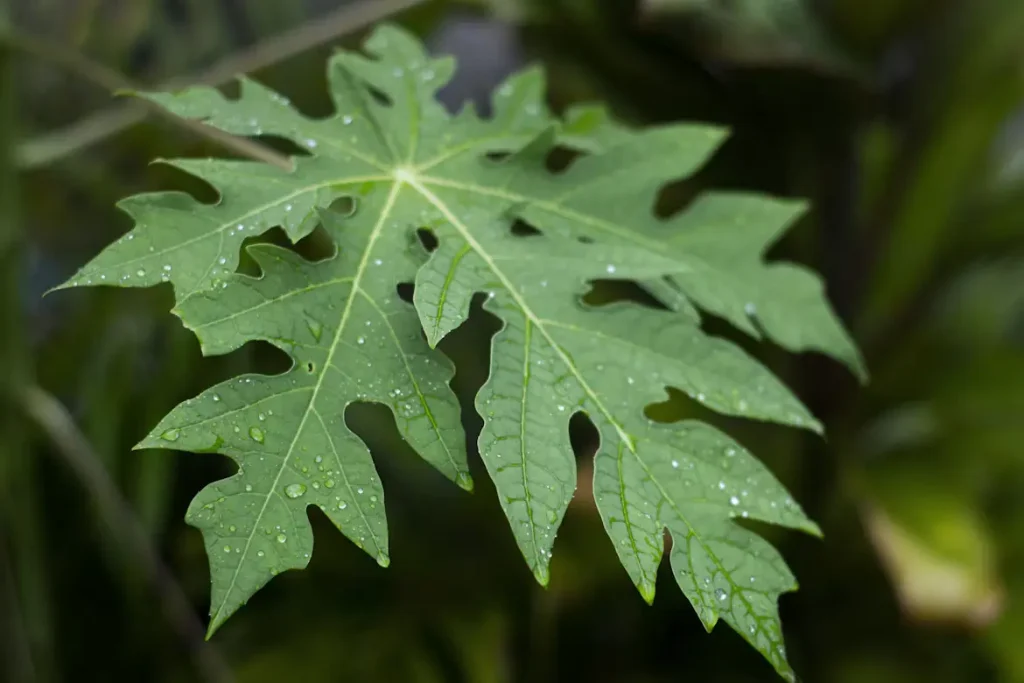
What Are Papaya Leaves?
Papaya leaves come from the papaya plant, scientifically known as Carica papaya. The plant grows widely in tropical and subtropical regions and is cultivated for its fruit.
The large, deeply lobed leaves are not commonly eaten as part of the everyday Western diet, but they have a long history of traditional use in different parts of Asia, Africa, and other tropical regions.
Papaya leaves contain a variety of plant compounds, including phenolic compounds and flavonoids. Research has investigated these compounds for antioxidant and other biological activities. A recent analysis of papaya leaves found measurable levels of flavonoids and phenolic compounds and reported antioxidant activity in laboratory testing.
That does not mean drinking papaya leaf tea will automatically produce the same effects observed in a laboratory. How the leaves are prepared, the amount consumed, and how the body absorbs their compounds can all make a difference.
7 Potential Papaya Leaves Benefits
1. May Provide Antioxidant Compounds
One of the most interesting areas of research surrounding papaya leaves is their antioxidant potential.
Antioxidants help protect cells from oxidative stress caused by an imbalance between free radicals and the body’s natural antioxidant defenses. Plant foods contain many compounds that may contribute to antioxidant activity.
Research on Carica papaya has identified compounds such as flavonoids, phenolic compounds, rutin, quercetin, kaempferol, and other substances associated with antioxidant activity.
A 2025 review also examined the broader health properties of papaya and its bioactive compounds, including antioxidant and anti-inflammatory activity. However, much of the evidence involves laboratory or animal research rather than large human clinical trials.
So, while antioxidant activity is one promising papaya leaves benefit, it should not be interpreted as proof that papaya leaves can prevent or treat a specific disease.
2. May Support Healthy Digestion
Papaya leaves are traditionally used in some cultures as part of herbal preparations for digestive concerns.
Researchers are investigating whether compounds in papaya leaves can interact with digestive enzymes and other biological pathways. A 2026 study examined papaya leaf phytochemicals and their potential effects on digestive enzymes, adding to the growing body of experimental research.
However, more human research is needed before papaya leaves can be recommended as a treatment for digestive disorders.
If you’re looking for everyday ways to support digestion, focus first on established habits such as eating enough fiber, drinking adequate fluids, staying physically active, and consuming a varied diet.
For another popular herbal option, you can also read our guide to Ginger Tea Benefits and learn how ginger is traditionally used as part of a healthy diet.
3. May Have Anti-Inflammatory Properties
Inflammation is a normal part of the body’s immune response. It becomes a concern when inflammatory processes remain active for too long or occur inappropriately.
Some laboratory and preclinical studies have identified anti-inflammatory activity associated with compounds found in papaya. Researchers are continuing to investigate whether these effects could have useful applications in human health.
This is an exciting area of research, but it is important not to confuse laboratory findings with proven medical benefits.
In other words, papaya leaves may contain compounds with anti-inflammatory potential, but that does not mean drinking papaya leaf tea can treat arthritis, chronic inflammation, or another inflammatory disease.
4. May Support Normal Immune Function
Papaya leaves contain a range of plant compounds that researchers are studying for antioxidant and biological activity.
Because oxidative stress and immune function are closely connected, researchers have explored whether papaya compounds could have broader health applications. However, there is currently not enough evidence to describe papaya leaves as an immune-boosting treatment or a way to prevent infections.
A healthy immune system depends on many factors, including adequate nutrition, sleep, physical activity, stress management, and appropriate medical care.
Think of papaya leaves as a potential source of plant compounds—not a replacement for the fundamentals of good health.
5. May Influence Healthy Blood Sugar Metabolism
Another area of interest is the potential relationship between papaya leaf compounds and blood sugar regulation.
Laboratory and animal studies have investigated papaya extracts for effects related to glucose metabolism. Researchers continue to explore how certain phytochemicals may interact with metabolic pathways.
However, these findings are not enough to recommend papaya leaves as a treatment for diabetes.
If you have diabetes or take medication that affects blood sugar, don’t replace your treatment with papaya leaf tea, juice, or supplements. Herbal products can also vary considerably in concentration and preparation.
6. May Have Potential for Skin Health
The antioxidant and anti-inflammatory properties being investigated in papaya leaves have also generated interest in skin health.
Antioxidant compounds may help protect cells from oxidative stress, which is one reason plant-derived ingredients are commonly studied in skincare.
However, evidence specifically supporting the use of raw papaya leaves on human skin remains limited.
If you are considering a homemade papaya leaf preparation for topical use, be cautious. Plant material can cause irritation or allergic reactions in some people. Test a small area first and discontinue use if redness, itching, burning, or swelling develops.
For proven skincare benefits, established practices such as sun protection, gentle cleansing, moisturizing, and avoiding excessive UV exposure remain much more important.
7. May Contribute to Overall Wellness
Papaya leaves contain various bioactive plant compounds, making them an interesting subject for nutritional and medicinal research.
Recent research has reported antioxidant, phytochemical, nutritional, and antimicrobial properties in papaya leaves.
Still, “potential” is the key word.
There is a major difference between a plant containing compounds with interesting biological activity and a plant being clinically proven to treat a disease.
A healthy lifestyle should remain the foundation of wellness. Papaya leaves may be interesting as part of traditional food or herbal practices, but they should not be viewed as a miracle remedy.
Papaya Leaf Juice Benefits: What Does the Research Say?
When people search for papaya leaf juice benefits, dengue is often one of the first topics they encounter.
Papaya leaf juice has been studied for its potential effect on platelet counts in people with dengue fever. Several clinical studies have reported increases in platelet counts among participants receiving papaya leaf preparations. For example, a randomized controlled trial found higher platelet counts in the papaya leaf extract group during several days of treatment.
Another randomized study involving 228 patients reported a significant increase in platelet counts among participants receiving papaya leaf juice compared with controls.
A systematic review and meta-analysis of four trials involving 439 participants also found an association between Carica papaya leaf extract and increased platelet counts, although the researchers noted limitations in the available evidence, including incomplete data on adverse events.
These findings are interesting, but they do not mean papaya leaf juice cures dengue.
Dengue can become severe and requires appropriate medical monitoring. The CDC states that there is no specific antiviral treatment for dengue and emphasizes supportive care and monitoring for warning signs.
Can Papaya Leaf Juice Increase Platelet Count?
There is some clinical evidence suggesting that papaya leaf preparations may help increase platelet counts in people with dengue-associated thrombocytopenia.
However, this should be viewed as an area of ongoing research—not as permission to self-treat dengue at home.
If someone has suspected or confirmed dengue, they should follow medical advice and be monitored appropriately. Papaya leaf juice should never be used to delay medical evaluation.
Papaya Leaf Tea Benefits
Papaya leaf tea is another traditional preparation.
To make it, fresh leaves are generally washed, chopped, simmered in water, and strained. The resulting tea tends to have a distinctly bitter taste.
People may drink papaya leaf tea as part of traditional wellness practices because of the plant’s phytochemicals and historical use.
However, there is no universally established therapeutic dose for homemade papaya leaf tea. The concentration can vary depending on the age and amount of leaves, water volume, cooking time, and other preparation factors.
For that reason, more is not necessarily better.
How to Make Papaya Leaf Tea
If you’re preparing papaya leaf tea as a traditional beverage:
- Choose fresh, clean papaya leaves.
- Wash the leaves thoroughly under clean running water.
- Remove damaged or discolored portions.
- Chop the leaves into smaller pieces.
- Simmer the leaves in water.
- Strain the liquid before drinking.
- Allow the tea to cool to a comfortable temperature.
Avoid treating homemade tea as a standardized medicine. Concentrated extracts and supplements can have very different properties from a mild homemade preparation.
Papaya Leaves vs. Papaya Fruit: What’s the Difference?
Papaya fruit is much more commonly consumed as a food than papaya leaves.
| Feature | Papaya Leaves | Papaya Fruit |
| Common use | Traditional teas and herbal preparations | Fresh fruit, smoothies, salads |
| Flavor | Bitter | Sweet |
| Research | Still developing | More extensively studied as a food |
| Plant compounds | Rich in various phytochemicals | Contains vitamins, carotenoids, and other compounds |
| Everyday use | Less common | Common food |
If your goal is simply to add more nutritious plant foods to your diet, papaya fruit is the more practical everyday choice.
How to Use Papaya Leaves Safely
Natural does not automatically mean risk-free.
Before using papaya leaves, keep these precautions in mind:
- Wash fresh leaves thoroughly.
- Avoid consuming unusually large amounts.
- Be cautious with concentrated extracts.
- Don’t replace prescription medication with papaya leaf preparations.
- Stop using them if you experience an adverse reaction.
- Talk with a healthcare professional if you take regular medication.
- Use extra caution during pregnancy and breastfeeding.
- Avoid giving concentrated herbal preparations to children unless advised by a healthcare professional.
Research reviews have highlighted the need for further investigation into the safety of papaya leaf consumption, particularly because some experimental studies have reported toxicity at high concentrations.
Who Should Avoid Papaya Leaf Preparations?
Some people should be especially cautious.
Pregnant or Breastfeeding Individuals
There is not enough evidence to establish the safety of medicinal amounts of papaya leaf preparations during pregnancy or breastfeeding. Avoid medicinal or concentrated preparations unless your healthcare provider specifically recommends them.
Children
Children should not be given concentrated herbal preparations without professional guidance.
People Taking Medication
If you regularly take prescription or over-the-counter medication, ask a healthcare professional before using concentrated papaya leaf products.
People With Chronic Health Conditions
Anyone managing diabetes, liver disease, kidney disease, blood disorders, or another chronic condition should discuss herbal products with their healthcare provider before using them medicinally.
Frequently Asked Questions About Papaya Leaves Benefits
What are the main papaya leaves benefits?
Potential papaya leaves benefits include antioxidant activity and other biological effects that researchers are investigating. There is also clinical research into papaya leaf preparations and platelet counts in dengue. However, evidence varies significantly by health claim.
Can you drink papaya leaf tea every day?
There is not enough evidence to establish a universal recommendation for drinking papaya leaf tea every day. Preparation strength and individual health factors can vary, so regular medicinal use should be discussed with a healthcare professional.
What are the benefits of papaya leaf juice?
Papaya leaf juice has been studied particularly for its potential effect on platelet counts in people with dengue. Several clinical studies have reported positive findings, but papaya leaf juice should not replace professional dengue care.
Can papaya leaves help with dengue?
Some clinical studies suggest papaya leaf preparations may increase platelet counts in people with dengue. However, dengue can become severe, and medical monitoring is important. Papaya leaves should never be considered a standalone treatment.
Are papaya leaves safe to eat?
Safety depends on the preparation, amount, and individual circumstances. Research on papaya leaves is still developing, particularly regarding medicinal and concentrated preparations. If you’re considering regular or therapeutic use, seek professional advice.
Can papaya leaves help with digestion?
Papaya leaves have traditional digestive uses, and laboratory research has investigated their effects on digestive enzymes. However, there is not enough human evidence to claim that papaya leaves treat digestive diseases.
Can papaya leaves benefit the skin?
Papaya leaves contain antioxidant compounds that may have potential relevance to skin health. However, evidence for applying raw papaya leaves directly to the skin is limited, and irritation or allergic reactions are possible.
Are papaya leaves good for hair?
Papaya leaves are sometimes promoted online for hair growth and scalp health, but strong clinical evidence supporting these claims is lacking. Avoid presenting papaya leaves as a proven hair-growth treatment.
The Bottom Line on Papaya Leaves Benefits
The growing interest in papaya leaves benefits is not entirely without scientific basis. Research has identified numerous phytochemicals in the leaves, including compounds associated with antioxidant activity, and researchers are continuing to investigate their potential biological effects.
The most notable area of human research involves dengue, where several studies have reported that papaya leaf preparations may increase platelet counts.
But promising research is not the same as definitive proof.
Papaya leaves should be viewed as a traditional herbal ingredient with interesting research potential—not as a cure-all. If you choose to use papaya leaf tea or another preparation, use caution and avoid replacing appropriate medical treatment with an herbal remedy.
And if you’re interested in exploring other traditional plant-based wellness options, check out more guides in The PlantTube’s Medicinal Plants and Home Remedies collections.
Medical Disclaimer
The information provided in this article is intended for general educational and informational purposes only. It is not intended to diagnose, treat, cure, or prevent any disease or medical condition.
Papaya leaves and papaya leaf extracts may affect people differently, and research on their safety and effectiveness is still developing. Always consult a qualified healthcare professional before using papaya leaves medicinally, especially if you are pregnant, breastfeeding, giving herbal preparations to a child, taking medication, or managing an existing health condition.
If you have symptoms of dengue—including persistent fever or warning signs such as severe abdominal pain, persistent vomiting, bleeding, or significant weakness—seek medical care promptly rather than relying on papaya leaf preparations. The CDC recommends appropriate clinical assessment and monitoring for people with suspected or confirmed dengue.