Introduction
Did you know that many modern skin treatments are inspired by ancient medicinal plants? Long before chemical creams and antibiotics existed, people relied on nature to treat skin diseases like acne, eczema, rashes, and infections. Even today, traditional medicine systems recognized by global health authorities continue to use medicinal plants for skin care.
According to the World Health Organization (WHO), traditional medicine—including herbal remedies—plays a vital role in healthcare for millions worldwide and is increasingly integrated into modern dermatology practices.
Skin diseases can affect people of all ages and often cause discomfort, itching, redness, or inflammation. This is why medicinal plants for skin diseases are gaining renewed attention as gentle, effective, and affordable natural remedies.
Table of Contents
Understanding Skin Diseases
Common Types of Skin Diseases
Skin diseases vary in severity and cause. The most common include:

- Acne
- Eczema
- Psoriasis
- Fungal infections (ringworm, athlete’s foot)
- Bacterial skin infections
- Allergic rashes
Why Skin Diseases Occur
Skin conditions may result from infections, immune system imbalance, hormonal changes, nutritional deficiencies, stress, or environmental exposure. The National Center for Complementary and Integrative Health (NCCIH) notes that inflammation and immune response play a major role in chronic skin disorders like eczema and psoriasis.
Why Medicinal Plants Are Effective for Skin Diseases
Healing Properties of Medicinal Plants
Medicinal plants contain natural bioactive compounds that:
- Fight bacteria and fungi
- Reduce inflammation
- Protect skin cells from oxidative damage
- Promote wound healing and skin regeneration
Scientific studies published on PubMed confirm that many medicinal plants used traditionally show antimicrobial and anti-inflammatory effects beneficial for skin diseases.
Benefits of Herbal Remedies
Herbal remedies for skin diseases often have fewer side effects than synthetic products. When used correctly, they nourish the skin, support healing, and can be safely used long-term for mild to moderate skin problems.
Top Medicinal Plants for Skin Diseases
Aloe Vera
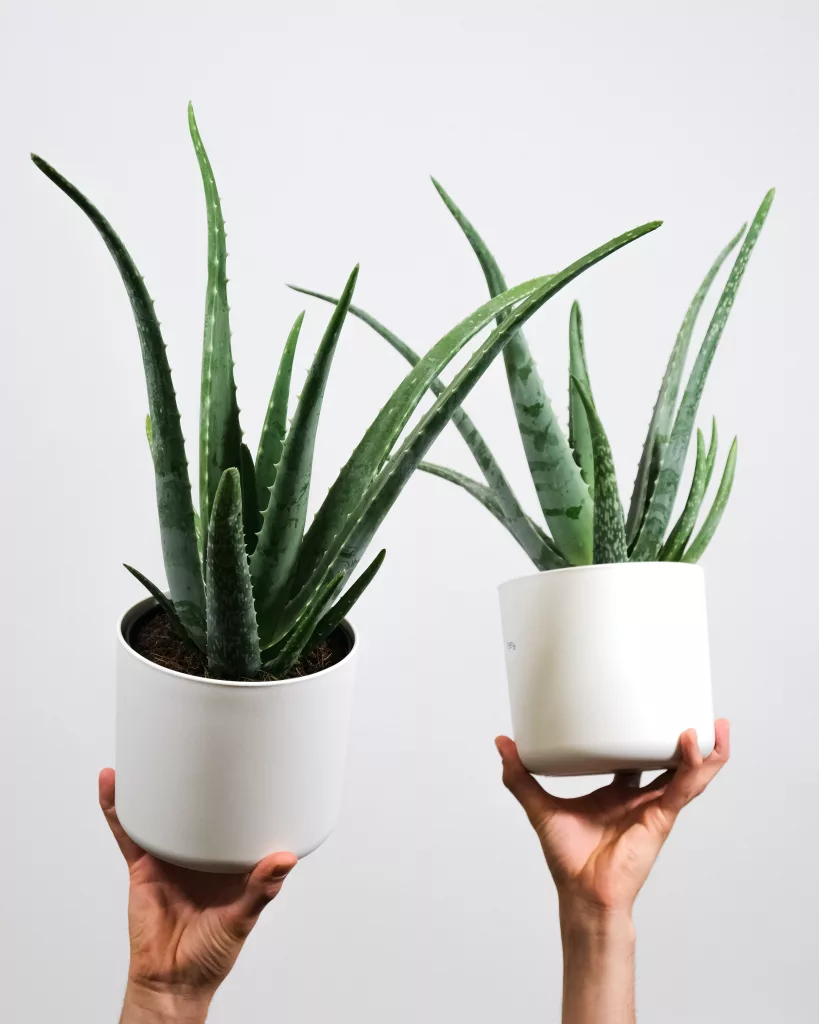
Aloe vera is widely recognized for its soothing and healing effects. Research indexed on PubMed shows aloe vera helps reduce inflammation and accelerates wound healing.
It is effective for acne, eczema, burns, and minor wounds. Applying fresh aloe vera gel directly to affected skin helps calm irritation and promote repair.
Neem (Azadirachta indica)
Neem is a cornerstone herb in Ayurveda and traditional medicine. The NCCIH highlights neem’s antimicrobial properties, making it effective against acne-causing bacteria and fungal infections.
Neem leaves, oil, and extracts are commonly used for eczema, psoriasis, and chronic skin infections.
Turmeric (Curcuma longa)
Turmeric contains curcumin, a compound known for its powerful anti-inflammatory and antiseptic effects. Multiple PubMed-reviewed studies support turmeric’s role in wound healing and skin inflammation reduction.
Turmeric paste is traditionally used to improve skin tone, reduce acne, and heal minor wounds.
Tulsi (Holy Basil)
Tulsi helps purify the blood and supports skin health from within. According to traditional medicine references acknowledged by the WHO, tulsi has antimicrobial and anti-inflammatory properties.
It is useful for allergic skin reactions, itching, and infections.
Calendula
Calendula is commonly used in herbal ointments and creams. Research available on PubMed shows calendula promotes wound healing and reduces skin inflammation.
It is ideal for rashes, minor cuts, and sensitive skin.
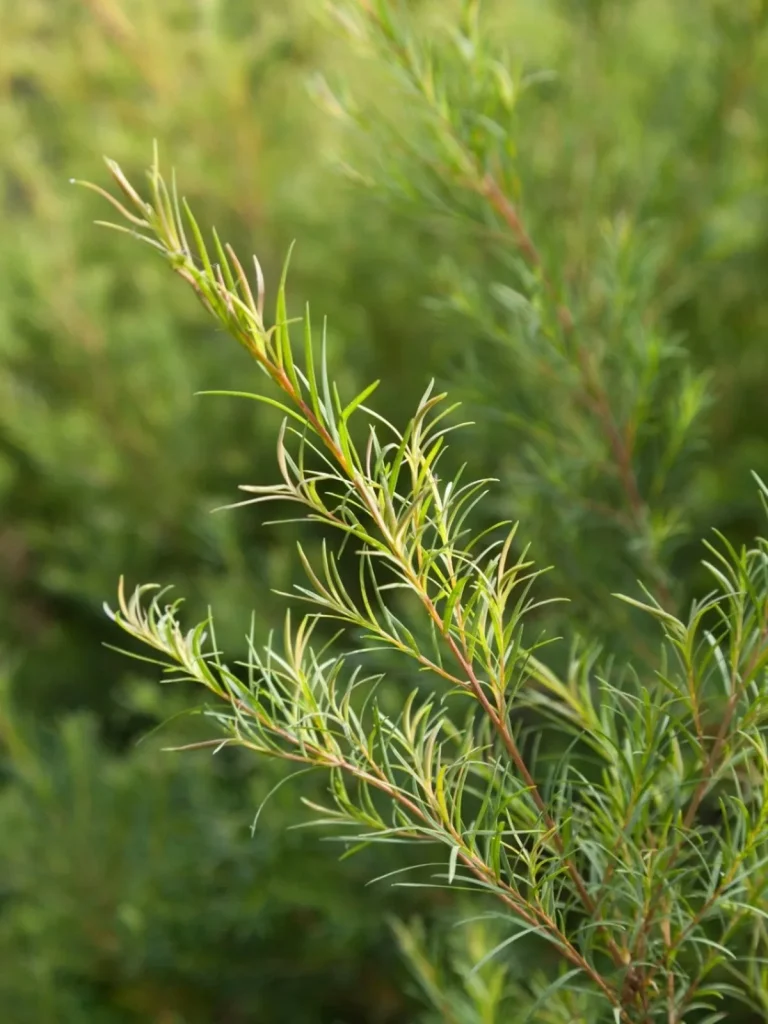
Tea Tree Plant
Tea tree oil is well-known for treating acne and fungal infections. The NCCIH confirms tea tree oil’s antibacterial and antifungal properties when used properly.
Always dilute tea tree oil before topical use to avoid irritation.
Gotu Kola
Gotu kola supports collagen production and skin regeneration. PubMed studies suggest it helps improve eczema, psoriasis, and wound healing.
How to Use Medicinal Plants for Skin Treatment
Topical Applications
Medicinal plants can be used as gels, oils, pastes, or poultices. Aloe vera gel, neem paste, and turmeric masks are among the most popular topical remedies.
Herbal Teas and Internal Use
Internal cleansing supports skin healing. Herbal teas made from tulsi or neem help detoxify the body and improve skin clarity, as noted by traditional medicine guidelines from the WHO.
Precautions and Patch Testing
The NCCIH strongly recommends patch testing before using herbal remedies, especially for sensitive skin.
Ayurvedic and Traditional Use of Medicinal Plants for Skin Diseases
Role of Ayurveda in Skin Healing
Ayurveda views skin health as a reflection of internal balance. Herbs like neem, turmeric, and manjistha are used to cleanse the blood and balance doshas.
Common Ayurvedic Herbs for Skin
- Manjistha – improves blood purification
- Neem – treats infections and inflammation
- Haridra (Turmeric) – supports healing and immunity
When to See a Doctor
The WHO advises seeking medical care for persistent, spreading, or painful skin conditions, especially when herbal remedies do not show improvement.
Final Thoughts
Medicinal plants for skin diseases offer a natural, time-tested approach to improving skin health. Backed by traditional medicine and supported by modern research from organizations like the WHO, NCCIH, and PubMed, these herbs provide safe and effective support for many skin conditions when used responsibly.
Call to Action
Have you tried medicinal plants for skin diseases? Share your experience in the comments. For more evidence-based herbal remedies and medicinal plant guides, explore related articles on The Planttube Blog.