

Have you been feeling unusually tired lately? Struggling with muscle cramps, poor sleep, headaches, or unexplained anxiety?
These symptoms may seem unrelated, but they could point to one common issue: low magnesium levels.
Magnesium is one of the most important minerals in the body, yet many people do not get enough of it through their diet. In fact, magnesium deficiency symptoms can develop slowly and often go unnoticed until they begin affecting daily life.
Your body relies on magnesium for hundreds of essential functions, including energy production, muscle movement, nerve signaling, heart health, and sleep regulation. When magnesium levels drop, the body can send warning signs that should not be ignored.
In this article, you’ll discover the most common signs your body lacks magnesium, possible causes of deficiency, natural ways to restore healthy levels, and when to seek medical advice.
Why Magnesium Is Essential for Your Body
Magnesium is involved in more than 300 biochemical reactions in the body. It helps maintain healthy muscles, nerves, bones, and heart function.

According to the National Institutes of Health Magnesium Fact Sheet, magnesium plays a key role in:
- Energy production
- Protein synthesis
- Blood sugar control
- Blood pressure regulation
- Muscle and nerve function
- Bone development
- Sleep and relaxation
The Mayo Clinic Magnesium Overview also explains that magnesium supports normal muscle and nerve function while helping maintain a steady heartbeat.
Unfortunately, processed foods, chronic stress, poor diet, and certain medical conditions can all contribute to low magnesium signs over time.
Common Signs Your Body Lacks Magnesium
1. Frequent Muscle Cramps or Spasms
One of the most common magnesium deficiency warning signs is frequent muscle cramping.
Magnesium helps muscles relax properly after contraction. When magnesium levels are low, muscles may tighten involuntarily, leading to:
- Leg cramps
- Muscle twitching
- Eye twitches
- Muscle tightness
- Spasms
Athletes and people who sweat heavily may experience this more often because magnesium can be lost through sweat.
2. Constant Fatigue and Low Energy
Feeling exhausted despite getting enough sleep may be another sign your body lacks magnesium.
Magnesium is essential for converting food into energy. Without enough magnesium, the body may struggle to produce energy efficiently, resulting in:
- Persistent tiredness
- Weakness
- Low stamina
- Difficulty concentrating
Many people with low magnesium symptoms describe feeling physically and mentally drained throughout the day.
3. Trouble Sleeping or Insomnia
Do you struggle to fall asleep or stay asleep?
Magnesium helps regulate neurotransmitters involved in relaxation and sleep quality. Low levels may contribute to:
- Restlessness
- Light sleeping
- Difficulty falling asleep
- Night waking
- Poor sleep quality
Some studies suggest magnesium may help support deeper and more restful sleep, especially in older adults and people experiencing stress.
You may also enjoy reading related wellness topics on improving sleep habits and stress management naturally.
4. Anxiety, Stress, or Mood Changes
Magnesium supports the nervous system and helps regulate the body’s stress response.
When magnesium levels are low, some people may experience:
- Increased anxiety
- Irritability
- Mood swings
- Nervousness
- Difficulty relaxing
Chronic stress itself may also deplete magnesium stores, creating a cycle that can worsen symptoms over time.
5. Headaches or Migraines
Frequent headaches may be linked to magnesium deficiency symptoms in some individuals.
Research has shown that people who experience migraines may have lower magnesium levels compared to others. Magnesium may help support blood vessel function and nerve communication in the brain.
Common symptoms may include:
- Recurring headaches
- Migraines with sensitivity to light
- Tension headaches
If headaches are persistent or severe, it’s important to speak with a healthcare professional.
6. Irregular Heartbeat or Heart Palpitations
Magnesium plays an important role in maintaining a healthy heartbeat.
Low magnesium signs may sometimes include:
- Heart fluttering
- Skipped beats
- Rapid heartbeat
- Palpitations
Because heart symptoms can be serious, seek immediate medical attention if symptoms become severe or are accompanied by chest pain, dizziness, or shortness of breath.
7. Numbness or Tingling
Low magnesium may affect nerve function and lead to unusual sensations in the body.
Some people report:
- Tingling in hands or feet
- Numbness
- Pins-and-needles sensations
These symptoms may also be associated with other medical conditions, so proper evaluation is important.
8. High Blood Pressure
Magnesium helps blood vessels relax and supports healthy circulation.
Some research suggests that magnesium deficiency may contribute to elevated blood pressure levels in certain individuals.
Supporting magnesium intake through healthy foods may help support overall cardiovascular wellness alongside other healthy lifestyle habits.
9. Weak Bones or Bone Loss
Most people think only calcium matters for bone health, but magnesium is also essential.
Magnesium helps the body use calcium and vitamin D properly. Low magnesium over time may contribute to:
- Reduced bone density
- Increased fracture risk
- Weak bones
This is especially important for older adults.
10. Sugar Cravings
Craving sweets all the time?
Some experts believe magnesium may play a role in blood sugar regulation and insulin sensitivity. Low magnesium levels may contribute to stronger cravings for sugary foods and processed carbohydrates.
While cravings alone do not confirm a deficiency, they may be one of several symptoms of magnesium deficiency.
11. Loss of Appetite or Nausea
Early signs of low magnesium can sometimes include digestive-related symptoms such as:
- Reduced appetite
- Nausea
- Mild stomach discomfort
Severe deficiency may cause more serious symptoms and should be medically evaluated.
12. Brain Fog and Difficulty Concentrating
Many people with magnesium deficiency symptoms report mental fatigue and poor concentration.
Low magnesium may affect:
- Focus
- Memory
- Mental clarity
- Productivity
If you constantly feel mentally “foggy,” nutrition and mineral balance may be worth exploring with a healthcare provider.
What Causes Magnesium Deficiency?
Several lifestyle and health factors can contribute to low magnesium levels.
Poor Diet
Highly processed foods often contain very little magnesium. Diets lacking vegetables, nuts, seeds, and whole foods may increase deficiency risk.
Chronic Stress
Long-term stress may increase magnesium depletion in the body.
Stress hormones can affect how magnesium is stored and utilized, making ongoing stress management especially important.
Digestive Disorders
Conditions affecting nutrient absorption may increase deficiency risk, including:
- Crohn’s disease
- Celiac disease
- Chronic diarrhea
- Digestive inflammation
Type 2 Diabetes
People with diabetes may lose more magnesium through urine, increasing deficiency risk.
The Cleveland Clinic Magnesium Deficiency Guide explains that diabetes and gastrointestinal conditions are common contributors to low magnesium levels.
Certain Medications
Some medications may reduce magnesium levels over time, including:
- Diuretics
- Proton pump inhibitors
- Certain antibiotics
Always discuss medication concerns with your healthcare provider.
Who Is Most at Risk for Low Magnesium?
Certain groups may be more vulnerable to magnesium deficiency warning signs, including:
- Older adults
- People under chronic stress
- Athletes
- People with digestive disorders
- Individuals with Type 2 diabetes
- Heavy alcohol users
- People consuming highly processed diets
Foods High in Magnesium
The best way to increase magnesium naturally is through a nutrient-rich diet.
Magnesium-Rich Foods Include:
- Spinach
- Pumpkin seeds
- Almonds
- Cashews
- Avocados
- Black beans
- Bananas
- Dark chocolate
- Salmon
- Brown rice

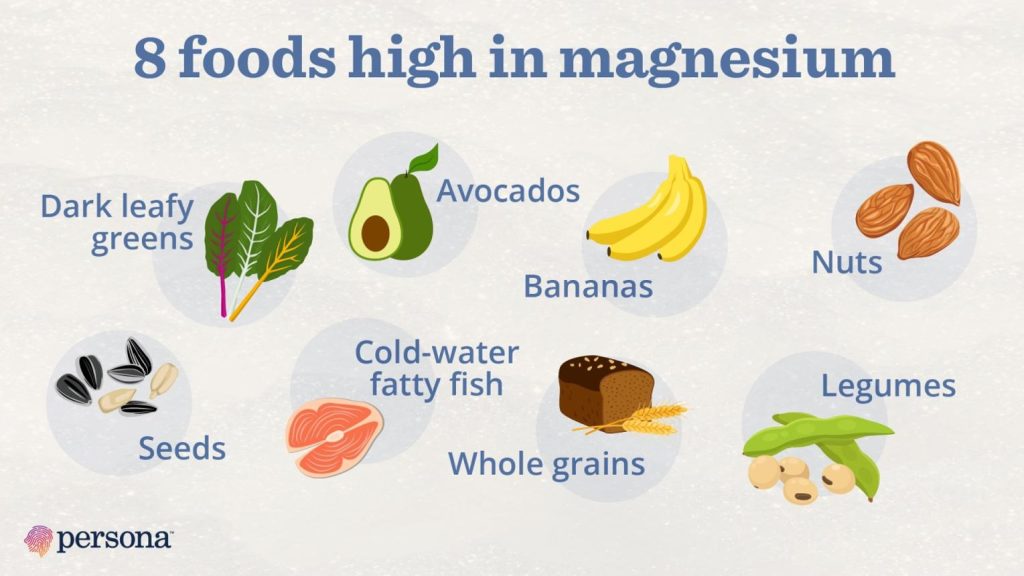
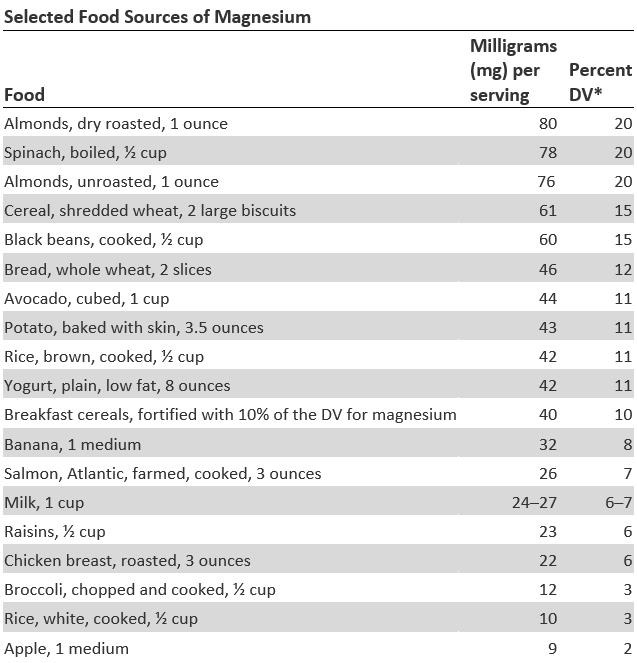
Eating a balanced diet rich in whole foods can help support healthy magnesium levels naturally.
You may also want to explore healthy recipes and nutrition guides focused on whole-food wellness.
How to Increase Magnesium Naturally
If you suspect low magnesium signs, several lifestyle habits may help support healthy levels.
Eat More Whole Foods
Focus on vegetables, nuts, seeds, legumes, and whole grains.
Reduce Processed Foods
Highly processed foods often contain fewer nutrients and minerals.
Manage Stress
Stress management techniques may help preserve magnesium stores, including:
- Deep breathing
- Prayer or meditation
- Walking
- Exercise
- Better sleep habits
Stay Hydrated
Hydration supports overall mineral balance and body function.
Consider Magnesium Supplements Carefully
Some people may benefit from supplements, but it’s best to consult a healthcare provider before starting one, especially if you have medical conditions or take medications.
When to See a Doctor
You should speak with a healthcare professional if you experience:
- Severe fatigue
- Persistent muscle cramps
- Ongoing headaches
- Heart palpitations
- Numbness
- Chronic sleep problems
A healthcare provider may recommend blood tests or further evaluation to determine whether magnesium deficiency or another condition may be contributing to your symptoms.
Final Thoughts
The signs your body lacks magnesium can sometimes appear subtle at first, but over time they may significantly affect your energy, sleep, mood, and overall health.
From muscle cramps and fatigue to anxiety and poor sleep, magnesium deficiency symptoms should not be ignored. The good news is that many people can improve their magnesium levels naturally through healthier eating habits, stress management, and lifestyle changes.
Pay attention to your body’s warning signs and seek professional medical advice if symptoms persist.
Small nutrition changes today may support better long-term health and wellness tomorrow.
FAQ
How do I know if my magnesium is low?
Common symptoms of magnesium deficiency include muscle cramps, fatigue, anxiety, headaches, poor sleep, and weakness. A healthcare provider can help confirm deficiency through testing and evaluation.
What are the first signs of magnesium deficiency?
Early signs of low magnesium may include fatigue, muscle twitching, headaches, poor sleep, and irritability.
Can low magnesium cause anxiety?
Low magnesium may affect the nervous system and stress response, which could contribute to anxiety and mood changes in some people.
What foods quickly increase magnesium?
Foods high in magnesium include pumpkin seeds, spinach, almonds, black beans, avocados, and dark chocolate.
Is it safe to take magnesium supplements daily?
Magnesium supplements may help some individuals, but it’s important to consult a healthcare professional before starting supplements regularly.
Disclaimer
This article is for informational and educational purposes only and does not replace professional medical advice, diagnosis, or treatment. Always consult a qualified healthcare provider regarding any medical concerns or before making significant changes to your diet or supplement routine.