
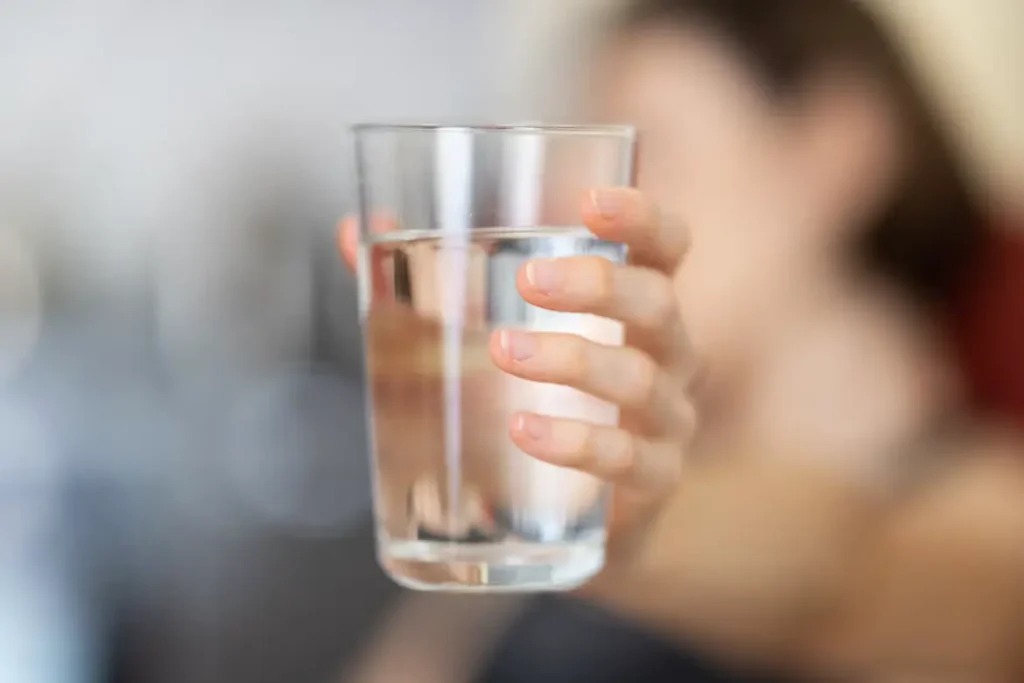
Have you ever wondered, “How much water should I drink daily?” You may have heard the familiar advice to drink eight glasses of water a day, but your actual hydration needs are more individual than that simple rule suggests.
Your body needs water for many essential functions, including regulating temperature, supporting normal digestion, lubricating joints, transporting nutrients, and removing waste. But the amount you need can change depending on your age, body size, activity level, climate, diet, pregnancy or breastfeeding status, and overall health.
So, how much water should you drink a day?
For healthy adults, the National Academies lists an adequate intake of about 3.7 liters (125 ounces) of total water per day for men and 2.7 liters (91 ounces) for women. Importantly, these figures include water from beverages and food, not just plain drinking water.
That means there isn’t one magic number that everyone needs to hit every day.

In this guide, we’ll explain how to estimate your daily water needs, what can increase your requirements, how to recognize dehydration, and practical ways to drink enough water without constantly counting glasses.
How Much Water Should I Drink Daily?
A useful starting point is to think in terms of total water intake, rather than trying to drink a fixed number of glasses.
According to the National Academies, the adequate intake for total water is approximately:
- Adult men: 3.7 liters (about 125 ounces) of total water per day
- Adult women: 2.7 liters (about 91 ounces) of total water per day
These amounts include water from drinking water, other beverages, and food. In the data used by the National Academies, beverages supplied roughly 81% of total water intake, while food supplied the remainder.
So, if you’re wondering how much water you actually need to drink, the amount of plain water you need can be lower than those headline numbers because some of your daily fluid comes from food and other drinks.
The Centers for Disease Control and Prevention (CDC) also emphasizes that daily fluid requirements vary according to factors such as age, sex, pregnancy status, breastfeeding, and physical activity. Hot weather, exercise, fever, vomiting, and diarrhea can increase water needs.
Is 8 glasses of water a day enough?
The popular “eight glasses a day” guideline can be an easy reminder to drink water, but it isn’t a universal scientific requirement for every person.
Some people may need more, while others may need less depending on their circumstances.
Rather than worrying about hitting exactly eight glasses, use thirst, your activity level, the environment, and other signs of hydration as practical guides.
How Much Water Do I Need Daily Based on My Weight?
You may have seen formulas recommending a specific amount of water based on body weight. These formulas can be useful as a rough starting point, but they shouldn’t be treated as an official requirement for everyone.
For example, a commonly used approach is to estimate daily fluid needs from body weight and then adjust the amount based on activity, climate, diet, and individual circumstances.
The important point is that water intake by weight is not a one-size-fits-all prescription.
Two people with the same body weight can have very different hydration needs. A person exercising outdoors in hot, humid weather may lose considerably more fluid through sweat than someone spending the day in an air-conditioned office.
If you use a weight-based calculation, treat it as a starting point—not a target you must force yourself to reach.
For individualized guidance, particularly if you have a medical condition or have been told to restrict fluids, speak with a qualified healthcare professional.
What Factors Increase How Much Water You Need?
Your daily water intake can change significantly from one day to another.
1. Exercise and Physical Activity
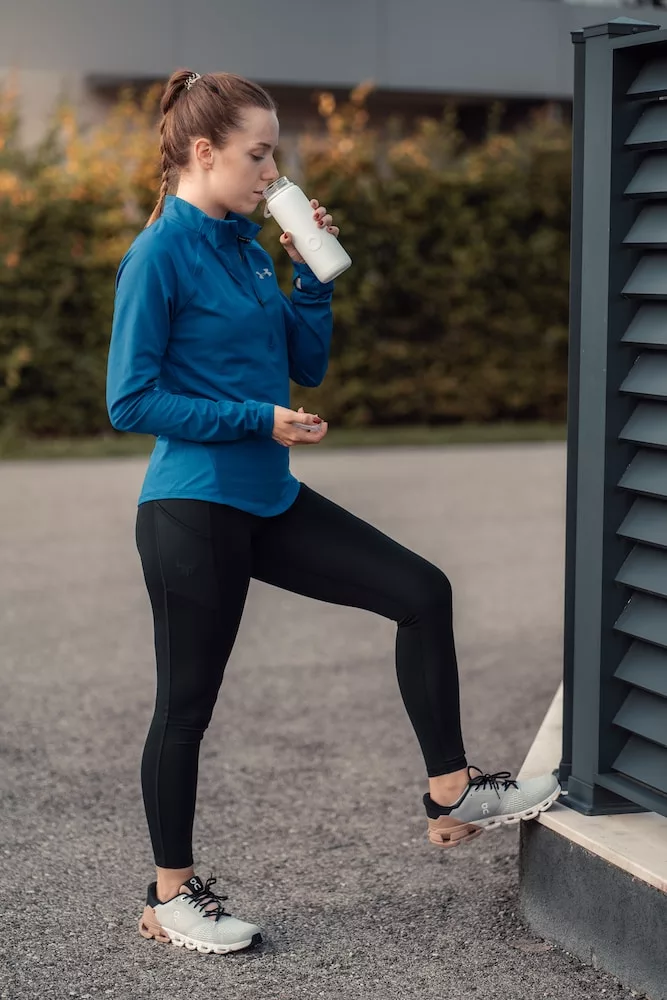
Exercise increases fluid loss through sweating and breathing. The longer and more intensely you exercise, the more important it becomes to replace fluids.
For shorter, less intense workouts, plain water is generally a practical choice. During prolonged or strenuous activity, particularly in hot conditions, fluid and electrolyte needs can become more complicated.
If you’re exercising regularly, consider reading our hydration guide for exercise for practical strategies before, during, and after workouts.
2. Hot and Humid Weather
Heat can increase sweating and therefore increase fluid loss.
This is particularly relevant if you live in a hot or humid environment or spend significant time outdoors. The CDC specifically notes that people may need more water when they’re in hot climates or physically active.
Instead of relying on the same water target every day, pay attention to thirst, sweating, activity, and your overall condition.
3. Fever, Vomiting, or Diarrhea
Illness can cause you to lose fluids more quickly.
Fever can increase fluid loss, while vomiting and diarrhea can cause substantial losses of both fluids and electrolytes. The CDC identifies fever, vomiting, and diarrhea among situations that can increase water needs.
In these situations, simply drinking large quantities of plain water may not always be the best approach. Depending on the severity of fluid loss, an appropriate oral rehydration solution may be recommended.
4. Pregnancy and Breastfeeding
Fluid needs can also change during pregnancy and breastfeeding.
The National Academies lists higher adequate intakes for total water during pregnancy and lactation than for nonpregnant women.
If you’re pregnant or breastfeeding, use guidance from your healthcare provider to determine an appropriate hydration routine for your individual situation.
5. Age
Thirst and hydration patterns can change with age. Older adults may not always experience thirst as strongly, making regular fluid intake particularly important. The National Academies notes that older adults can be at increased risk of inadequate water intake because of changes in thirst and other factors.
How Can You Tell If You’re Drinking Enough Water?
You don’t necessarily need to measure every ounce of water you consume.
Your body provides several useful signals.
Pay Attention to Thirst
For most healthy people, thirst is an important natural signal that helps regulate fluid intake.
The National Academies notes that healthy people can maintain normal hydration across a relatively wide range of water intake and that thirst can help guide fluid consumption.
However, thirst shouldn’t be your only consideration when you’re exercising heavily, spending prolonged periods in extreme heat, or experiencing significant fluid loss.
Check Your Urine
Urine color can provide a rough indication of hydration status.
Dark-colored urine, particularly when accompanied by other symptoms such as thirst or infrequent urination, can be a sign that you need more fluids. However, urine color can also be affected by medications, supplements, foods, and other factors.
Watch for Other Signs
Possible signs of dehydration include:
- Increased thirst
- Dry mouth
- Urinating less frequently
- Dark-colored urine
- Tiredness
- Light-headedness
- Dizziness
- Fainting in more severe cases
The National Institute of Diabetes and Digestive and Kidney Diseases (NIDDK) lists extreme thirst, dry mouth, reduced urination, dizziness, fatigue, and dark-colored urine among symptoms of dehydration.
If you’d like to learn more, see our complete guide to dehydration symptoms.
What Happens If You Don’t Drink Enough Water?
Not getting enough fluids can lead to dehydration.
Mild dehydration may leave you feeling thirsty, tired, or less comfortable during the day. More significant dehydration can affect physical and mental functioning and may become dangerous if it becomes severe.
The CDC notes that dehydration can contribute to problems such as unclear thinking, mood changes, overheating, constipation, and kidney stones.
Severe dehydration requires medical attention. According to the NIDDK, severe dehydration can require treatment in a hospital.
If someone is experiencing severe dizziness, fainting, confusion, inability to keep fluids down, or other concerning symptoms, don’t rely on a generic daily water calculator. Seek appropriate medical care.
Can You Drink Too Much Water?
Yes. More water isn’t always better.
Drinking an excessive amount of water, particularly in a short period, can overwhelm the body’s ability to regulate its fluid balance and contribute to dangerously low blood sodium levels, known as hyponatremia.
This is one reason why forcing yourself to drink enormous quantities of water simply to reach an arbitrary target isn’t a good hydration strategy.
For most healthy people, a better approach is to drink regularly throughout the day and increase intake when fluid losses increase.
People with kidney, heart, liver, or other conditions that affect fluid balance may have specific fluid recommendations. If your healthcare provider has given you a fluid restriction or individualized hydration plan, follow that advice rather than a general internet recommendation.
Does Coffee or Tea Count Toward Your Daily Water Intake?
Yes. Your total daily fluid intake doesn’t come exclusively from plain water.
Coffee and tea contain water and can contribute to overall fluid intake. The National Academies notes that beverages containing caffeine can contribute to total water intake and that concerns about caffeine causing a cumulative body-water deficit aren’t supported by the available evidence.
However, what you drink matters for more than hydration.
Plain water contains no calories, and replacing sugary beverages with water can reduce calorie and added-sugar intake. The CDC recommends choosing water instead of sugary drinks when possible.
Unsweetened tea, plain coffee, sparkling water, and other low- or no-calorie beverages can also fit into a healthy eating pattern.
Do Foods Count Toward Your Daily Water Intake?
Absolutely.
Water isn’t found only in your water bottle.
Many foods contain substantial amounts of water, including:
- Watermelon
- Cucumber
- Strawberries
- Oranges
- Melons
- Tomatoes
- Lettuce
- Soups and broths
- Yogurt and other water-containing foods
The National Academies estimates that food contributed about 19% of total water intake in the U.S. dietary data used to establish its adult adequate intake values.
This is another reason why focusing exclusively on a specific number of glasses can be misleading.
Your daily hydration is the result of everything you eat and drink—not just the water you pour into a glass.
For more practical nutrition strategies, see our healthy eating guide.
How Much Water Should You Drink Throughout the Day?
Instead of trying to consume most of your water at once, spread your fluids throughout the day.
A simple routine could look like this:
Morning
Start your day with a glass of water if you’re thirsty. Drinking water with breakfast can also contribute to your overall fluid intake.
During Work
Keep a reusable water bottle nearby. Having water within easy reach makes it easier to drink regularly.
With Meals
Drink water with meals rather than relying entirely on sugary beverages.
Before and During Exercise
Begin exercise adequately hydrated and drink according to your thirst and the duration and intensity of the activity.
After Exercise
Replace fluids lost through sweating. The hotter and more strenuous the workout, the more important recovery hydration becomes.
Evening
Continue drinking according to thirst, but there’s generally no need to force large amounts of water immediately before bedtime.
7 Simple Ways to Drink More Water Every Day
If you regularly forget to drink water, try these practical strategies.
1. Carry a Reusable Water Bottle
Keeping water with you makes drinking throughout the day much easier.
2. Make Water Your Default Drink
Choose water when you’re thirsty, particularly with meals.
3. Add Flavor
If plain water feels boring, try adding lemon, lime, cucumber, mint, berries, or other fruit. The CDC also recommends adding ingredients such as lemon or lime to make water more appealing.
4. Eat More Water-Rich Foods
Include fruits, vegetables, soups, and other foods that naturally contain water.
5. Set Reminders
If you spend hours working without thinking about hydration, a simple phone or computer reminder can help create a consistent habit.
6. Keep Water Visible
A bottle sitting beside your computer is much harder to forget than one hidden in the kitchen.
7. Replace Sugary Drinks
Swapping soda or other sugar-sweetened drinks for water can improve your beverage choices while reducing calorie intake.
How Much Water Should You Drink When Exercising?
There isn’t one universal amount of water that every athlete should drink.
Your needs depend on factors such as:
- Exercise duration
- Exercise intensity
- Temperature
- Humidity
- Sweat rate
- Clothing and equipment
- Individual physiology
A short workout in a cool environment will generally create different fluid demands than several hours of outdoor activity in hot, humid weather.
For prolonged or intense exercise, hydration planning becomes especially important because you’re replacing not only water but potentially electrolytes lost through sweat.
If you’re an endurance athlete, work outdoors in extreme heat, or have unusually high sweat losses, consider getting individualized advice from a qualified sports dietitian or healthcare professional.
Frequently Asked Questions About Daily Water Intake
How much water should I drink daily?
For healthy adults, the National Academies gives an adequate intake of approximately 3.7 liters of total water per day for men and 2.7 liters for women. This includes water from food and all beverages, not just plain water. Individual needs can vary considerably.
Is 2 liters of water a day enough?
Two liters may be enough for some people, but it isn’t a universal target. Your needs depend on factors such as body size, activity, climate, diet, age, and health.
Also remember that total water intake includes water from food and other beverages.
How many glasses of water should I drink a day?
There is no universal number of glasses that applies to everyone. The often-repeated eight-glass rule can be a simple reminder, but individual hydration needs vary.
How much water should I drink based on my weight?
Weight-based formulas can provide a rough starting estimate, but they should not be treated as a medical prescription. Activity, temperature, sweating, diet, age, and health can all change your needs.
Does coffee count as water?
Yes. Coffee contributes fluid to your overall intake. However, choosing unsweetened coffee or tea is generally preferable to beverages loaded with added sugar.
Can drinking more water improve your skin?
Adequate hydration is important for normal body function, but drinking excessive amounts of water isn’t a guaranteed way to transform your skin. Skin health depends on many factors, including nutrition, sun exposure, skincare, sleep, genetics, and overall health.
How do I know if I’m dehydrated?
Thirst, dry mouth, dark urine, reduced urination, tiredness, dizziness, and light-headedness can occur with dehydration. More severe symptoms require prompt medical attention.
Can you drink too much water?
Yes. Excessive water consumption can disrupt the body’s electrolyte balance and, in severe cases, contribute to hyponatremia. Avoid forcing large quantities of water simply to meet an arbitrary goal.
The Bottom Line: How Much Water Should You Drink Daily?
So, how much water should I drink daily?
The best answer isn’t a single number.
For healthy adults, a useful reference point is about 2.7 liters of total water per day for women and 3.7 liters for men, including water from food and beverages.
But your personal needs can change.
You may need more fluids when you’re exercising, sweating heavily, spending time in hot or humid weather, or experiencing fever, vomiting, or diarrhea.
Rather than obsessing over an exact number of glasses, build consistent hydration habits: drink regularly, respond to thirst, choose water frequently, eat water-rich foods, and pay attention to signs that you may need more fluids.
The goal isn’t to drink as much water as possible. It’s to give your body enough fluid to stay properly hydrated.
Medical Disclaimer
This article is intended for general educational and informational purposes only and is not a substitute for professional medical advice, diagnosis, or treatment. Individual fluid requirements can vary significantly. If you are pregnant, breastfeeding, an older adult, an endurance athlete, have kidney, heart, liver, or other medical conditions, take medications that affect fluid balance, or have been instructed to restrict or increase fluids, consult a qualified healthcare professional for personalized guidance.
If you experience signs of severe dehydration, such as fainting, significant confusion, inability to keep fluids down, or other serious symptoms, seek medical care promptly.




1 thought on “How Much Water Should I Drink Daily? A Complete Guide to Staying Hydrated”