Can a gentle herbal remedy really help ease anxiety and stress? For centuries, chamomile has been used as a natural calming herb, best known for its soothing tea and sleep-supporting benefits. Today, many people are turning to chamomile for anxiety relief as a safer, plant-based alternative to manage everyday stress.
In this guide, you’ll learn how to use chamomile for anxiety, the best forms to try, proper dosage, safety tips, and what science says about its calming effects.
Table of Contents
What Is Chamomile?
Chamomile is a gentle flowering herb belonging to the Asteraceae (daisy) family and has been used for centuries as a natural remedy for relaxation, stress relief, and digestive comfort. Native to Europe and parts of Western Asia, chamomile is now widely cultivated around the world due to its therapeutic value and mild, pleasant aroma.

Traditionally, chamomile has been used in herbal medicine systems such as Ancient Egyptian, Greek, and Roman medicine, where it was valued for its calming, anti-inflammatory, and sleep-supporting properties. Today, it remains one of the most commonly consumed herbal teas globally, especially for people seeking natural ways to manage anxiety and nervous tension.
Chamomile’s relaxing effects come primarily from its bioactive compounds—most notably apigenin, a flavonoid that interacts with receptors in the brain associated with relaxation and calmness. This interaction helps slow down an overactive nervous system, making chamomile particularly useful for stress-related anxiety, restlessness, and difficulty sleeping.
Unlike stronger herbal sedatives, chamomile works gently and does not cause drowsiness or mental fog when used in moderate amounts. This makes it a popular choice for daily use, especially among individuals looking for a safe, non-habit-forming natural remedy for anxiety.
Types of Chamomile Used for Anxiety
There are two main types of chamomile commonly used for anxiety and stress relief:
- German chamomile (Matricaria chamomilla) – the most widely studied type, often used in teas and supplements
- Roman chamomile (Chamaemelum nobile) – slightly milder, commonly used in aromatherapy and topical products
Both varieties are known for their calming and anti-inflammatory effects.
Key Active Compounds in Chamomile
Chamomile contains several bioactive compounds, including:
- Apigenin, a flavonoid that binds to GABA receptors in the brain
- Antioxidants that help reduce inflammation and oxidative stress
These compounds contribute to chamomile’s reputation as a natural remedy for anxiety and stress.
Is Chamomile Good for Anxiety?
Yes, chamomile is widely recognized for its anxiety-relieving potential, especially for mild to moderate anxiety.
How Chamomile Affects the Brain and Nervous System
Chamomile works by interacting with GABA receptors, the same calming pathways targeted by some anti-anxiety medications. This interaction may help:
- Reduce nervous tension
- Promote relaxation
- Improve sleep quality
Unlike stronger medications, chamomile produces a gentle calming effect without heavy sedation.
What Research Says About Chamomile and Anxiety
Clinical studies suggest that regular use of chamomile extract may significantly reduce symptoms of generalized anxiety. Research published in reputable medical journals has shown improvements in mood, stress levels, and overall mental well-being when chamomile is used consistently.
How to Use Chamomile for Anxiety
There are several effective ways to use chamomile for anxiety relief, depending on your preference and lifestyle.
Chamomile Tea for Anxiety Relief
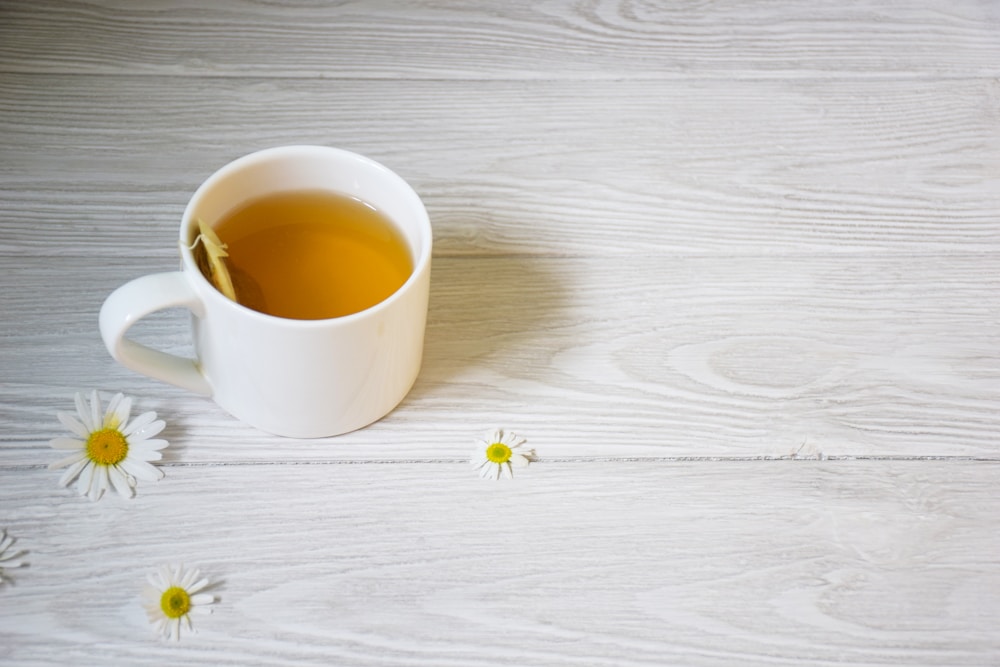
Chamomile tea for anxiety is the most popular and accessible option.
How to prepare chamomile tea:
- Add 1–2 teaspoons of dried chamomile flowers (or 1 tea bag) to hot water
- Steep for 5–10 minutes
- Strain and drink warm
Best time to drink chamomile tea:
- In the evening to promote relaxation
- Before bedtime for anxiety-related sleep issues
Drinking 1–3 cups daily can help reduce stress and calm the mind.
Chamomile Supplements
Chamomile supplements are available as capsules, tablets, or liquid extracts.
Chamomile dosage for anxiety (general guidelines):
- Capsules: 220–1,100 mg per day
- Liquid extract: Follow label instructions
Supplements may be more suitable for those who want a consistent dose or don’t enjoy herbal tea.
Chamomile Aromatherapy
Chamomile essential oil is commonly used in aromatherapy to reduce stress and nervous tension.
How to use:
- Add a few drops to a diffuser
- Inhale gently during stressful moments
- Use before meditation or bedtime
Aromatherapy may be especially helpful for stress-related anxiety and restlessness.
Chamomile Bath and Topical Use
A warm chamomile bath can provide full-body relaxation.
How to use:
- Add brewed chamomile tea or dried flowers to bathwater
- Soak for 15–20 minutes
This method helps relax muscles and calm the nervous system, supporting overall stress relief.
Best Time and Dosage of Chamomile for Anxiety
How Much Chamomile Is Safe to Use Daily?
Chamomile is generally safe when used in moderate amounts:
- Up to 3 cups of tea daily
- Follow recommended supplement dosages
Consistency is key when using chamomile for anxiety relief.
When to Take Chamomile for Best Results
- Daytime stress: Small amounts of tea or aromatherapy
- Nighttime anxiety or sleep issues: Chamomile tea or supplements before bed
Chamomile works best as part of a daily calming routine.
Additional Benefits of Chamomile for Mental Health
Beyond its direct calming effect on anxiety, chamomile offers several additional mental health benefits that make it a valuable herb for overall emotional well-being. Its gentle action supports sleep, digestion, and mood—three areas commonly affected by chronic stress and anxiety.

Chamomile for Better Sleep
Chamomile is widely used as a natural sleep aid, especially for people whose sleep problems are linked to anxiety or an overactive mind. The herb contains apigenin, a compound that binds to receptors in the brain responsible for inducing relaxation and sleepiness.
Unlike strong sleep medications, chamomile does not force sleep. Instead, it helps:
- Calm racing thoughts
- Reduce nighttime restlessness
- Shorten the time it takes to fall asleep
- Improve overall sleep quality
This makes chamomile particularly helpful for people who experience anxiety-induced insomnia or frequent nighttime awakenings. Drinking chamomile tea 30–60 minutes before bedtime can help signal to the body that it is time to relax and wind down naturally.
Chamomile for Stress-Related Digestive Issues
There is a strong connection between anxiety and gut health, often referred to as the gut-brain axis. Stress and anxiety can trigger digestive symptoms such as bloating, gas, stomach cramps, nausea, and irregular bowel movements.
Chamomile may help ease these symptoms by:
- Relaxing the muscles of the digestive tract
- Reducing inflammation in the gut
- Calming stress-induced stomach spasms
Its mild antispasmodic and anti-inflammatory properties make chamomile especially useful for people who experience digestive discomfort during periods of emotional stress. Using chamomile tea after meals or during stressful moments may help soothe both the mind and the stomach at the same time.
Mood-Boosting and Relaxation Benefits
Regular use of chamomile may also support emotional balance and mood stability. While it is not an antidepressant, chamomile’s calming effects can help reduce irritability, nervous tension, and emotional overwhelm that often accompany chronic stress.
By gently calming the nervous system, chamomile may:
- Promote a sense of mental clarity
- Reduce feelings of agitation or restlessness
- Support a more balanced emotional state
When used consistently as part of a daily self-care or relaxation routine, chamomile can contribute to improved mental well-being and resilience against everyday stressors.
Possible Side Effects and Precautions
Who Should Avoid Chamomile?
Chamomile is safe for most people, but caution is advised if you:
- Are allergic to plants in the daisy or ragweed family
- Are pregnant or breastfeeding
- Take sedatives or blood-thinning medications
When to Consult a Healthcare Professional
If anxiety symptoms are severe, persistent, or worsening, consult a healthcare provider before relying solely on herbal remedies.
Chamomile vs Other Natural Remedies for Anxiety
While chamomile is a popular natural remedy for anxiety, it is not the only herb known for calming effects. Understanding how chamomile compares to other well-known anxiety-relief herbs can help readers choose the option that best suits their needs.
Chamomile vs Ashwagandha
Chamomile and ashwagandha support anxiety relief in different ways and are often used for different purposes.
Chamomile works primarily as a gentle, fast-acting calming herb. It helps relax the nervous system, reduce nervous tension, and promote immediate feelings of calm. This makes chamomile ideal for:
- Mild anxiety
- Occasional stress
- Anxiety related to sleep or restlessness
- Situational anxiety (such as before bed or during stressful days)
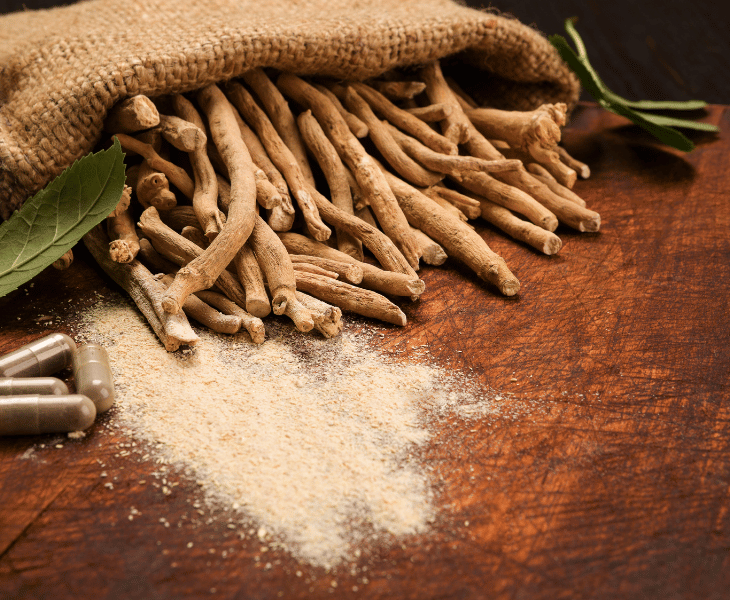
Ashwagandha, on the other hand, is classified as an adaptogen. Instead of offering immediate relaxation, it helps the body adapt to stress over time by regulating cortisol levels. Ashwagandha is more suitable for:
- Chronic stress
- Long-term anxiety
- Burnout or fatigue-related anxiety
In short, chamomile is better for short-term anxiety relief, while ashwagandha is often used for long-term stress management. Some people even use both—chamomile for daily calming and ashwagandha for ongoing stress support.
Chamomile vs Lavender
Both chamomile and lavender are widely used for anxiety relief, but their methods of use differ.
Lavender is most commonly used through aromatherapy, such as essential oils, diffusers, or topical applications. It is especially effective for:
- Acute stress
- Tension headaches
- Anxiety-related restlessness
- Creating a calming environment
Lavender’s scent alone can trigger relaxation responses in the brain, making it ideal for quick stress relief.
Chamomile, however, offers more versatile internal and external use. It can be consumed as tea or supplements, used in aromatherapy, or added to baths. Because it can be taken internally, chamomile may provide:
- Longer-lasting calming effects
- Support for anxiety-related digestive issues
- Better sleep quality
For those who prefer drinking herbal teas or want a remedy that works both mentally and physically, chamomile may be the more practical choice.
Why Chamomile Is Ideal for Mild Anxiety
Chamomile stands out as an excellent option for people experiencing mild to moderate anxiety, especially those new to herbal remedies.
Its gentle action makes it:
- Safe for regular, daily use
- Unlikely to cause dependency
- Suitable for long-term calming routines
Unlike stronger herbs or medications, chamomile does not heavily sedate the body. Instead, it encourages relaxation naturally, helping the mind and body return to a calm state without interfering with daily activities.
This makes chamomile especially helpful for:
- Everyday stress
- Anxiety linked to poor sleep
- Nervous tension without severe symptoms
For individuals seeking a natural, non-habit-forming remedy, chamomile offers a simple and effective starting point for anxiety relief.
FAQs About Using Chamomile for Anxiety
Can chamomile cure anxiety?
No, chamomile cannot cure anxiety, but it may help manage mild symptoms.
How long does chamomile take to work for anxiety?
Many people notice calming effects within 30–60 minutes, especially with tea.
Can I drink chamomile tea every day?
Yes, daily consumption is generally safe for most people.
Is chamomile safe for children with anxiety?
Small amounts may be safe, but consult a pediatrician first.
Conclusion
Chamomile is a gentle yet effective natural remedy for anxiety relief, offering calming benefits without harsh side effects. Whether you prefer chamomile tea, supplements, or aromatherapy, consistent use can help support relaxation, better sleep, and emotional balance.
Call to Action
Have you tried using chamomile for anxiety? Share your experience in the comments below and explore more natural remedies for anxiety and stress on The Planttube Blog to support your mental well-being—naturally.