
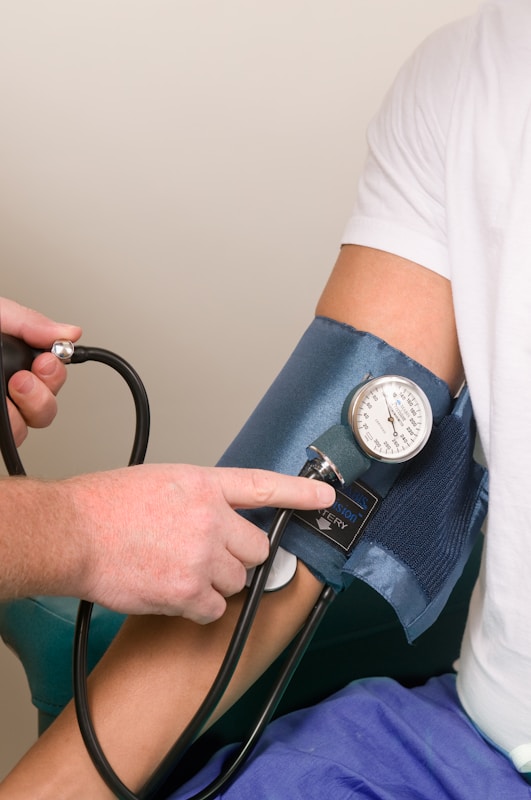
Did you know? High blood pressure is often called the “silent killer” because many people live with it for years without noticeable symptoms—until serious health problems appear. Recognizing the signs of high blood pressure early can help prevent life-threatening complications such as heart disease, stroke, and kidney failure.
In this guide, you’ll learn the early warning signs, uncommon symptoms, risk factors, and when to seek medical help.
Table of Contents
What Is High Blood Pressure?
High blood pressure, also known as hypertension, occurs when the force of blood against artery walls is consistently too high. A normal blood pressure reading is below 120/80 mmHg. Readings above 130/80 mmHg are generally considered high.

Why High Blood Pressure Is Dangerous
- It damages blood vessels over time
- It increases the risk of heart attack and stroke
- It strains the kidneys and eyes
- It often develops without symptoms
Common Signs of High Blood Pressure
Many people ask: What are the signs of high blood pressure? While symptoms vary, the following are commonly reported.
1. Frequent Headaches
Persistent or severe headaches—especially in the morning—can be an early indicator of elevated blood pressure levels.
2. Dizziness or Lightheadedness
Feeling dizzy without an obvious cause may signal reduced blood flow to the brain due to hypertension.
3. Shortness of Breath
High blood pressure can weaken the heart over time, making it harder to pump blood efficiently, leading to breathing difficulties.
Early Warning Signs of High Blood Pressure
4. Blurred Vision
Hypertension can damage blood vessels in the eyes, a condition known as hypertensive retinopathy.
5. Chest Pain or Tightness
Chest discomfort should never be ignored, as high blood pressure significantly increases the risk of heart disease.
6. Irregular Heartbeat
Heart palpitations or fluttering sensations may occur when blood pressure puts stress on the cardiovascular system.
Uncommon but Serious Symptoms of High Blood Pressure
7. Nosebleeds
While not common, frequent nosebleeds may occur during sudden spikes in blood pressure.
8. Fatigue or Confusion
Chronic hypertension can reduce oxygen supply to the brain, leading to mental fog, confusion, or extreme tiredness.
9. Blood in Urine
This may indicate kidney damage caused by long-term uncontrolled blood pressure.
Signs of High Blood Pressure in Men and Women
In Men
- Erectile dysfunction
- Chest discomfort during physical activity
In Women
- Severe headaches during pregnancy (possible preeclampsia)
- Increased fatigue
Risk Factors That Increase Blood Pressure
Lifestyle-Related Factors
- High salt intake
- Sedentary lifestyle
- Excess alcohol consumption
- Chronic stress
Health-Related Factors
- Obesity
- Diabetes
- Family history of hypertension
- Age above 40
When Should You Check Your Blood Pressure?
You Should Monitor Your Blood Pressure If You:
- Experience recurring headaches or dizziness
- Have a family history of hypertension
- Are overweight or physically inactive
- Are over the age of 35
Home Monitoring Is Highly Recommended
Home blood pressure monitors help detect early changes before symptoms appear.
How to Prevent and Manage High Blood Pressure Naturally
- Reduce salt intake
- Eat potassium-rich foods (bananas, leafy greens)
- Exercise at least 30 minutes daily
- Practice stress management techniques
- Maintain a healthy weight
For dietary support, explore heart-friendly recipes and wellness tips available on The Planttube Blog.
FAQs: Signs of High Blood Pressure
What are the first signs of high blood pressure?
Early signs include headaches, dizziness, fatigue, and blurred vision, although many people experience no symptoms.
Can high blood pressure be symptomless?
Yes. Hypertension often develops without noticeable symptoms, which is why regular monitoring is essential.
What blood pressure level is dangerous?
Readings consistently above 140/90 mmHg increase the risk of severe complications and require medical attention.
Can lifestyle changes lower high blood pressure?
Yes. Diet, exercise, stress reduction, and weight management can significantly reduce blood pressure levels.
Authoritative External Resources
- World Health Organization – Hypertension Overview
- Centers for Disease Control and Prevention – High Blood Pressure
Final Thoughts
Understanding the signs of high blood pressure can save lives. Since symptoms are often subtle or absent, regular monitoring and proactive lifestyle choices are essential for long-term heart health.
Call to Action
Have you checked your blood pressure recently?
Explore more natural health tips, preventive care guides, and wellness resources on The Planttube Blog. Share this article with family and friends—it might help someone detect a silent condition early.