Spending time outdoors can be great for your health and well-being, but too much sun exposure can quickly leave you with painful, red skin. Fortunately, there are several home remedies for sunburn that can help relieve discomfort, reduce inflammation, and support your skin’s natural healing process.
While mild sunburn often heals on its own within a few days, the right home care can make recovery much more comfortable. In this guide, you’ll learn the best natural remedies, what to avoid, and when it’s time to see a healthcare professional.
Disclaimer: This article is for educational purposes only and is not a substitute for professional medical advice. If your sunburn is severe or accompanied by fever, dehydration, or extensive blistering, seek medical attention immediately.
What Is a Sunburn?
A sunburn is skin damage caused by excessive exposure to the sun’s ultraviolet (UV) rays. UVB rays are mainly responsible for sunburn, while UVA rays penetrate deeper into the skin and contribute to premature aging.

Common symptoms include:
- Redness
- Pain or tenderness
- Warm skin
- Swelling
- Blisters
- Peeling skin
- Itching
Even cloudy days can expose your skin to harmful UV rays, making sunscreen an essential part of your daily routine.
10 Best Home Remedies for Sunburn
1. Apply a Cool Compress
One of the simplest home remedies for sunburn is applying a cool, damp cloth to the affected area.
A cool compress helps:
- Reduce inflammation
- Relieve burning sensations
- Calm irritated skin
Apply for 10–15 minutes several times throughout the day.
Avoid placing ice directly on the skin, as it may cause additional tissue damage.
2. Take a Cool Bath or Shower
Cool water helps lower skin temperature and provides immediate relief.
For the best results:
- Keep showers short.
- Use cool—not cold—water.
- Pat your skin dry gently.
- Leave your skin slightly damp before applying moisturizer.
Avoid hot water because it can worsen dryness and irritation.
3. Soothe Skin with Pure Aloe Vera
Aloe vera is one of the most trusted natural remedies for sunburn.
Its cooling gel may help:
- Reduce inflammation
- Moisturize damaged skin
- Ease discomfort
- Support the healing process
Choose 100% pure aloe vera gel without alcohol, fragrances, or artificial colors to prevent further irritation.
4. Moisturize Frequently
Sunburn dries out the skin, making regular moisturizing essential.
Look for products containing:
- Glycerin
- Hyaluronic acid
- Ceramides
- Aloe vera
Avoid lotions with alcohol, which can further dry the skin.
5. Stay Hydrated
Sunburn draws fluid toward the skin’s surface, increasing your risk of dehydration.
Drink plenty of:
- Water
- Coconut water
- Herbal tea
- Electrolyte drinks if needed
Eating water-rich foods like watermelon, cucumbers, oranges, and strawberries can also help replenish lost fluids.
6. Try an Oatmeal Bath
Colloidal oatmeal has soothing properties that may relieve itching and irritation.
To make a simple oatmeal bath:
- Grind plain oats into a fine powder.
- Add one cup to a cool bath.
- Soak for about 15 minutes.
- Pat your skin dry gently afterward.
This gentle remedy is especially helpful if your skin begins peeling.
7. Wear Loose, Breathable Clothing
Tight clothing rubs against damaged skin and may increase discomfort.
Instead, wear:
- Loose cotton shirts
- Lightweight fabrics
- Breathable clothing that allows airflow
Protect your healing skin from additional sun exposure whenever possible.
8. Consider Over-the-Counter Pain Relief
For mild to moderate discomfort, some people benefit from over-the-counter medications such as ibuprofen or naproxen.
These medicines may help reduce:
- Pain
- Swelling
- Inflammation
Always follow the directions on the product label and speak with your healthcare provider if you have underlying medical conditions or are unsure whether these medications are appropriate for you.
9. Don’t Peel the Skin
As your sunburn heals, peeling is completely normal.
Although it may be tempting, avoid pulling loose skin because it can:
- Slow healing
- Increase infection risk
- Cause additional irritation
Allow dead skin to come off naturally while continuing to moisturize regularly.
10. Eat Foods That Support Skin Healing
Nutrition plays an important role in skin repair.
Focus on foods rich in:
- Vitamin C: oranges, kiwi, bell peppers
- Vitamin E: almonds, sunflower seeds
- Omega-3 fatty acids: salmon, sardines, walnuts
- Antioxidants: berries, spinach, tomatoes
A balanced diet supports your body’s natural recovery process.
Natural Remedies That May Help
Some natural ingredients may provide additional comfort when used appropriately.
Coconut Oil
Wait until the heat has completely subsided before applying coconut oil. Applying oils too early may trap heat against the skin.
Honey
Honey has natural antibacterial and wound-supporting properties. Apply only to mild burns and never on open blisters unless advised by a healthcare professional.
Green Tea Compress
Cooled green tea contains antioxidants that may help soothe irritated skin. Soak a clean cloth in cooled tea and gently apply it to the affected area.
What NOT to Put on Sunburn
Many popular internet remedies may actually make sunburn worse.
Avoid:
- Butter
- Toothpaste
- Egg whites
- Alcohol-based lotions
- Essential oils on broken skin
- Ice directly on the burn
- Petroleum jelly immediately after the burn occurs
These products may trap heat or further irritate damaged skin.
How Long Does Sunburn Last?
Recovery depends on the severity of the burn.
Mild sunburn
- Usually heals within 3–5 days.
Moderate sunburn
- May take about one week.
Severe sunburn
- Can last more than a week and may require medical treatment.
Peeling often begins around the third or fourth day and is a normal part of healing.
When Should You See a Doctor?
Seek immediate medical attention if you experience:
- Extensive blistering
- Severe swelling
- High fever
- Chills
- Dizziness
- Confusion
- Severe dehydration
- Persistent vomiting
- Signs of infection such as pus or worsening redness
These symptoms may indicate severe sun damage or heat-related illness.
How to Prevent Future Sunburn
Prevention is always easier than treatment.
Wear Broad-Spectrum Sunscreen
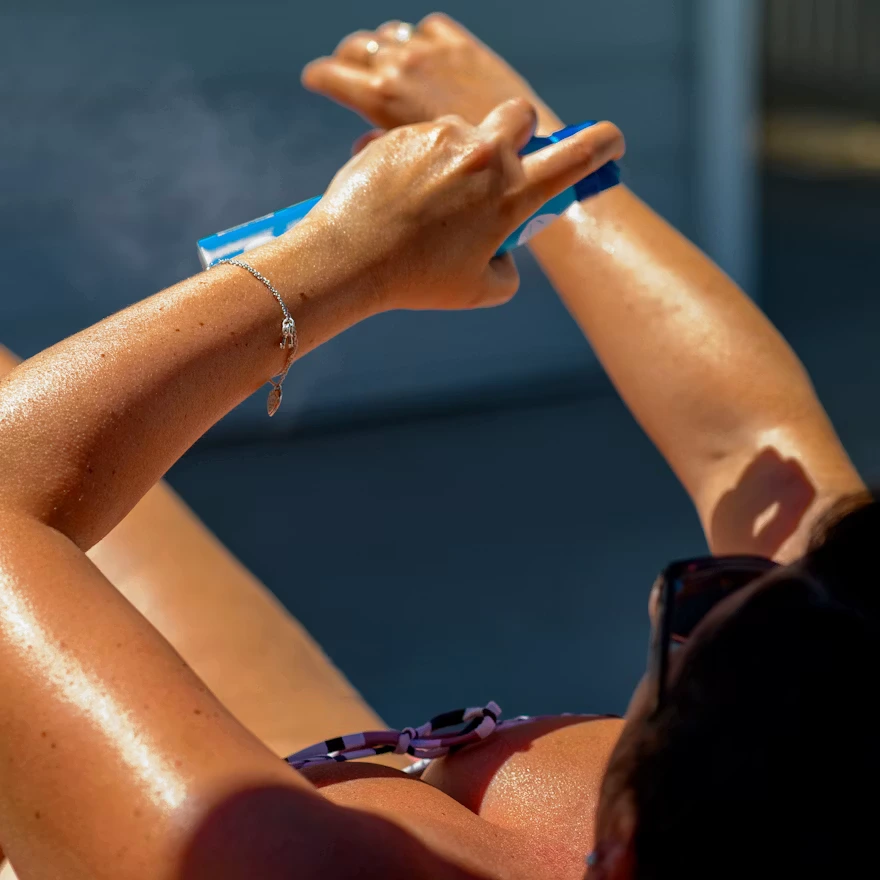
Choose SPF 30 or higher and reapply every two hours, especially after swimming or sweating.
Cover Up
Protect your skin with:
- Wide-brim hats
- UV-blocking sunglasses
- Lightweight long sleeves
Avoid Peak Sun Hours
Limit direct sun exposure between 10 AM and 4 PM, when UV rays are strongest.
Seek Shade
Whenever possible, rest under umbrellas or trees during extended outdoor activities.
Support Healthy Skin Naturally
Healthy skin starts from within. Along with protecting yourself from the sun, maintaining a nutritious diet, staying hydrated, and caring for your skin daily can improve overall skin health.
You may also enjoy these related articles on The PlantTube:
- Benefits of Aloe Vera for Skin
- Natural Remedies for Dry Skin
- Best Foods for Healthy Skin
- How to Stay Hydrated During Summer
- Signs of Heat Exhaustion vs. Heat Stroke
Frequently Asked Questions
Can aloe vera heal sunburn faster?
Aloe vera may help soothe pain, reduce inflammation, and keep the skin moisturized, creating an environment that supports healing.
Is coconut oil good for sunburn?
Only after the skin has cooled. Applying oils too soon can trap heat and delay relief.
Can I put ice directly on sunburn?
No. Ice may damage already sensitive skin. Use a cool compress instead.
How do I stop sunburn from peeling?
Peeling is part of the healing process. Moisturize regularly and avoid pulling off loose skin.
Can I exercise with sunburn?
It’s best to avoid strenuous outdoor exercise until your skin has healed, especially if you’re dehydrated.
Final Thoughts
Using effective home remedies for sunburn can ease discomfort, reduce inflammation, and help your skin recover more comfortably. Cooling the skin, staying hydrated, moisturizing frequently, and protecting yourself from additional sun exposure are among the best ways to support healing.
Most mild sunburns improve within a few days, but if you develop severe symptoms or extensive blistering, don’t hesitate to seek medical care. Taking preventive steps today can help you enjoy the outdoors while keeping your skin healthy for years to come.
Disclaimer: This article is for informational purposes only and should not replace professional medical advice, diagnosis, or treatment. If your sunburn is severe, covers a large area, causes blistering, fever, dizziness, or signs of infection, seek medical attention promptly.