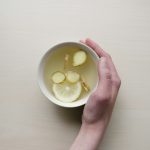
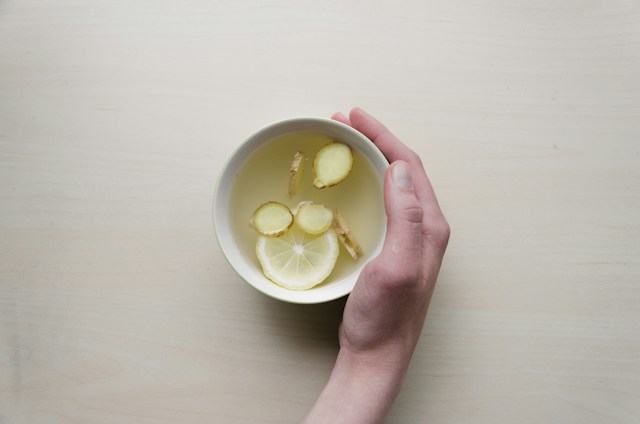
Looking for a simple ginger tea recipe you can make at home? Fresh ginger tea requires only a few basic ingredients and can be prepared in about 15 minutes.
Ginger has a naturally warm, spicy flavor that makes a comforting drink on its own or with ingredients such as lemon, honey, cinnamon, or mint. Ginger has also been studied for several potential health effects, particularly its possible role in easing certain types of nausea. However, research on ginger varies depending on the condition, preparation, and amount used.
The best part is that you don’t need a special tea maker or complicated ingredients. All you need is fresh ginger root, water, and a saucepan.
In this guide, you’ll learn how to make ginger tea with fresh ginger, how much ginger to use, how long to simmer it, ways to customize your cup, and important safety considerations.
Quick answer: To make fresh ginger tea, slice or grate 1–2 inches of fresh ginger root, add it to 2 cups of water, and gently simmer for 10–15 minutes. Strain and serve warm. Add lemon or honey if desired.
What Is Ginger Tea?
Ginger tea is a simple herbal infusion made by steeping or gently simmering fresh or dried ginger in hot water.
Although it is commonly called “tea,” ginger tea does not contain tea leaves unless you combine ginger with black, green, or another type of true tea. When you make it with only ginger and water, it is naturally caffeine-free.
Ginger comes from the rhizome, or underground stem, of the plant Zingiber officinale. It has been used as a food and traditional herbal ingredient for centuries. Today, ginger is available fresh, dried, powdered, or as an ingredient in dietary supplements.
Fresh ginger is particularly convenient for homemade tea because you can easily control the amount and adjust the strength to your preference.
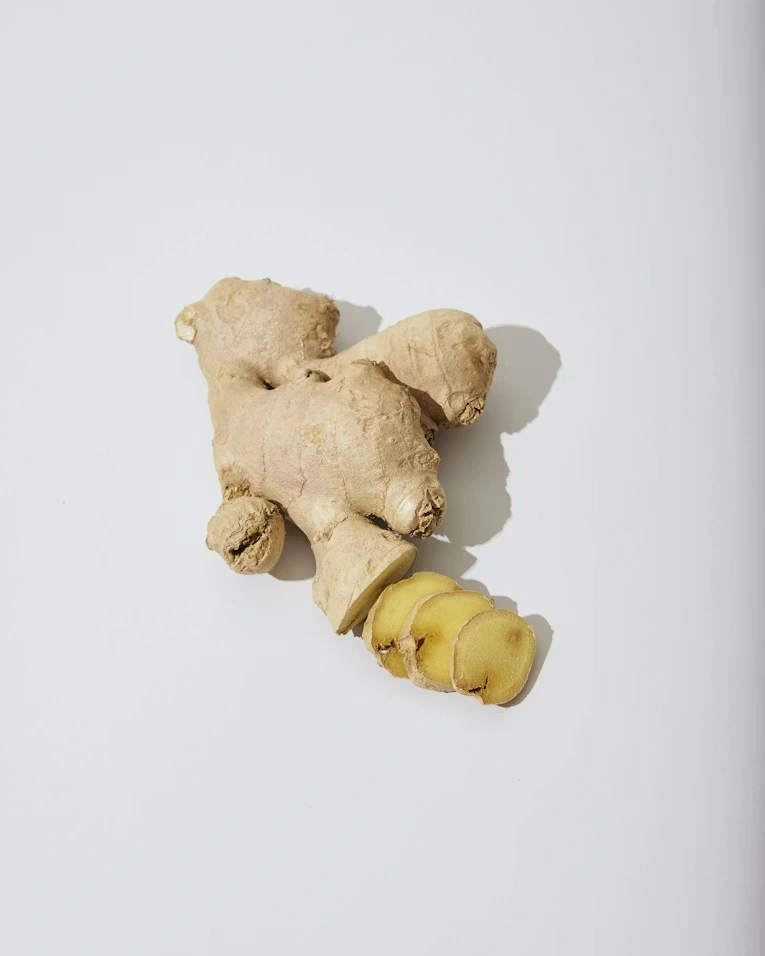
Fresh Ginger Tea Recipe
This fresh ginger tea recipe makes approximately two cups and creates a flavorful but easy-to-adjust drink.
Ingredients
- 1–2 inches fresh ginger root
- 2 cups water
- 1–2 teaspoons honey, optional
- 1–2 teaspoons fresh lemon juice, optional
- Lemon slices, optional
- Fresh mint, optional
Equipment
You’ll need:
- Small saucepan
- Knife and cutting board
- Fine-mesh strainer
- Two mugs
How to Make Ginger Tea
Step 1: Wash the Fresh Ginger
Rinse the ginger root thoroughly under running water.
You can peel the ginger with a spoon or vegetable peeler, but peeling isn’t essential if the root has been cleaned well and you’re comfortable leaving the skin on.
If you notice soft, moldy, or spoiled areas, discard the affected ginger rather than using it.
Step 2: Slice or Grate the Ginger
Cut approximately 1–2 inches of fresh ginger into thin slices.
For a stronger ginger root tea recipe, grate the ginger instead. Grating exposes more of the ginger to the water and produces a more intense flavor.
If you’re new to homemade ginger tea, start with thin slices. You can increase the amount the next time you make it.
Step 3: Add Ginger to Water
Place the sliced or grated ginger into a saucepan with 2 cups of water.
Bring the mixture to a gentle boil.
Step 4: Simmer for 10–15 Minutes
Reduce the heat and let the ginger simmer gently for about 10–15 minutes.
The longer you simmer it, the stronger and spicier the flavor will generally become.
You don’t need to boil the mixture aggressively. A gentle simmer is enough to make a flavorful cup of homemade ginger tea.
Step 5: Strain the Tea
Remove the saucepan from the heat.
Pour the tea through a fine-mesh strainer into your mug to remove the pieces of ginger.
Step 6: Add Lemon or Honey
Let the tea cool slightly, then add your preferred ingredients.
Try:
- Lemon for a bright, citrusy flavor
- Honey for natural sweetness
- Mint for a refreshing taste
- Cinnamon for a warmer, spiced flavor
Taste the tea first before adding sweetener. Fresh ginger can have plenty of flavor on its own.
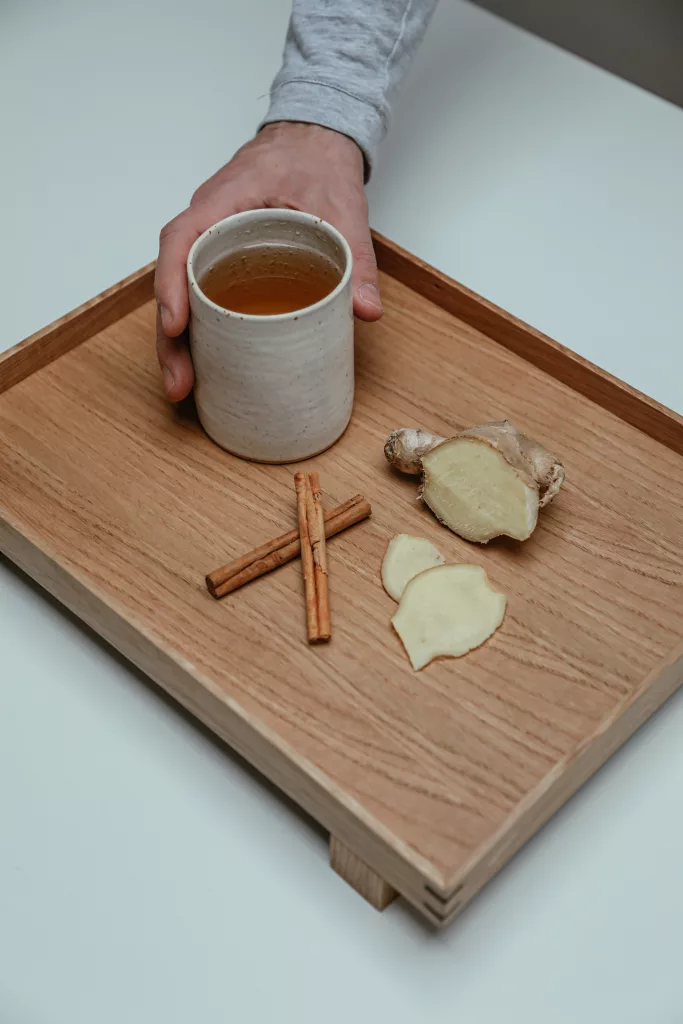
How Much Ginger Should You Use for Ginger Tea?
A good starting point is 1–2 inches of fresh ginger for 2 cups of water.
You can adjust the amount based on how strong you like your tea.
For Mild Ginger Tea
Use about ½–1 inch of ginger per 2 cups of water.
Thinly sliced ginger will give you a lighter flavor.
For Medium-Strength Ginger Tea
Use about 1–2 inches of ginger per 2 cups of water.
This is a good starting point for a balanced homemade ginger tea.
For Strong Ginger Tea
Use 2 inches or more of ginger, or grate the ginger before simmering.
Keep in mind that stronger doesn’t necessarily mean better. A highly concentrated drink may also be more irritating for people who are sensitive to ginger.
How Long Should You Boil Ginger for Tea?
For a flavorful ginger tea recipe with fresh ginger, simmering for approximately 10–15 minutes is a practical starting point.
If you prefer a milder drink, you can use less ginger or shorten the simmering time.
For stronger tea, increase the amount of ginger or allow it to simmer a little longer.
Another option is to pour freshly boiled water over thinly sliced ginger and let it steep for 5–10 minutes. This produces a gentler infusion and requires less preparation.
Simmering vs. Steeping Ginger Tea
| Method | Flavor | Approximate Time |
|---|---|---|
| Thinly sliced + steeped | Mild | 5–10 minutes |
| Sliced + simmered | Medium | 10–15 minutes |
| Grated + simmered | Strong | 10–15 minutes |
There is no single “correct” method. Experiment with the amount of ginger and preparation time until you find a flavor you enjoy.
Ginger Tea Benefits: What Does the Research Say?
Ginger tea is often promoted for many different health benefits. It’s important, however, to distinguish between evidence about ginger itself and evidence specifically about ginger tea.
Many clinical studies have evaluated ginger supplements, extracts, or standardized preparations rather than a homemade cup of ginger tea. Therefore, research findings cannot always be directly applied to a particular homemade recipe. The National Center for Complementary and Integrative Health (NCCIH) also notes that some studies of ginger have limitations in quality and that evidence varies by condition.
Ginger May Help With Certain Types of Nausea
One of the better-studied uses of ginger is nausea and vomiting.
Research has investigated ginger for pregnancy-related nausea, postoperative nausea, and chemotherapy-related nausea, among other situations. NCCIH notes that ginger may be helpful for nausea and vomiting associated with pregnancy, although evidence differs depending on the situation.
A 2024 overview of systematic reviews also found evidence suggesting ginger may help with several types of nausea and vomiting, while noting that the methodological quality of the underlying reviews ranged from low to critically low.
That distinction matters: ginger is promising in some areas, but it should not be presented as a guaranteed treatment.
Ginger Contains Bioactive Compounds
Fresh ginger contains naturally occurring compounds including gingerols and related compounds that contribute to its characteristic flavor and aroma.
Researchers have investigated these compounds in connection with digestion, inflammation, nausea, and other areas of health. However, research findings from concentrated ginger preparations should not automatically be interpreted as proof that drinking a particular homemade ginger tea will produce the same effects.
Ginger Tea Is a Caffeine-Free Beverage
When made with only fresh ginger and water, ginger tea is naturally caffeine-free.
That makes it a useful alternative for people who simply want a warm, flavorful beverage without the caffeine found in coffee or traditional teas.
Just remember that adding ingredients such as black tea or green tea will change the caffeine content.
Ginger Tea With Lemon and Honey
One of the easiest ways to upgrade a basic ginger tea recipe is to add lemon and honey.
Ginger Lemon Tea
To make ginger lemon tea:
- Prepare the fresh ginger tea as described above.
- Allow it to cool slightly.
- Add 1–2 teaspoons of fresh lemon juice.
- Add a lemon slice if desired.
The lemon gives the tea a fresh, bright flavor that balances the spicy warmth of ginger.
Ginger Tea With Honey
Honey is another popular addition.
Add 1–2 teaspoons of honey after the tea has cooled slightly. Adjust the amount according to your taste.
Remember that honey is still an added sugar, so use an amount that fits your overall dietary needs.
Other Ginger Tea Variations
Once you’ve learned how to make ginger tea, you can easily experiment with other plant-based ingredients.
Ginger and Turmeric Tea
Combine:
- Fresh ginger
- Turmeric
- Water
- Optional lemon
- Optional black pepper
This creates an earthy, warming beverage.
Don’t assume that combining several ingredients automatically makes the drink more effective. Enjoy this version primarily for its flavor unless a healthcare professional has advised you otherwise.
Ginger Mint Tea
Add a handful of fresh mint leaves during the final few minutes of steeping or after removing the tea from the heat.
Mint creates a cooler, more refreshing flavor that pairs well with ginger.
For more information about mint as a plant ingredient, see our guide to mint leaves benefits.
Ginger Cinnamon Tea
Add a small cinnamon stick while the ginger is simmering.
The combination creates a naturally warming drink that works particularly well on cool mornings or evenings.
Ginger Lemon Honey Tea
For a classic combination, use:
- Fresh ginger
- Lemon juice
- Honey
- Water
This is especially useful when you want a simple homemade beverage with a combination of spicy, citrusy, and sweet flavors.
When Is the Best Time to Drink Ginger Tea?
There isn’t one scientifically established “best” time to drink ginger tea.
You can enjoy it:
- In the morning
- After a meal
- During a relaxing evening
- When you want a warm caffeine-free beverage
- Alongside a snack or light meal
Some people prefer ginger tea after eating because of its strong, warming flavor, while others enjoy it first thing in the morning.
Your own tolerance and preference matter more than following a rigid schedule.
If ginger tends to cause heartburn or stomach discomfort for you, drinking a strong preparation on an empty stomach may not be comfortable.
Can You Drink Ginger Tea Every Day?
Many people consume ginger as part of their normal diet. However, more isn’t necessarily better.
Research involving ginger has used different preparations and doses, so there isn’t a universal recommendation that everyone should drink a specific amount of homemade ginger tea every day. NCCIH notes that ginger taken orally has generally been used safely in research, but it can cause side effects in some people.
If you’re drinking ginger tea regularly, keep the preparation reasonable rather than making extremely concentrated drinks.
If you take medications or have an underlying health condition, speak with a healthcare professional before using ginger regularly for a therapeutic purpose.
Ginger Tea Safety and Possible Side Effects
Ginger is a common food ingredient, but natural doesn’t automatically mean risk-free.
NCCIH reports that oral ginger can cause side effects such as abdominal discomfort, heartburn, diarrhea, and irritation of the mouth or throat.
You should be particularly cautious if you’re considering ginger in concentrated amounts or as a supplement.
Talk with your healthcare provider before regularly using ginger for health purposes if you:
- Take prescription or over-the-counter medications
- Take blood-thinning medication
- Are pregnant or breastfeeding
- Have a medical condition that may be affected by ginger
- Are considering concentrated ginger supplements
Herbs and medications can interact, so don’t assume that a natural product is automatically safe to combine with medication. MedlinePlus also recommends discussing herbal products with a healthcare professional when appropriate.
For pregnancy, ginger has been studied for pregnancy-related nausea, but anyone who is pregnant should discuss herbal products or concentrated preparations with their healthcare provider.
Tips for Making the Best Ginger Tea
Want a better cup every time? Try these simple tips.
1. Choose Fresh, Firm Ginger
Look for ginger that feels firm and has relatively smooth skin. Avoid pieces that are excessively soft, shriveled, or moldy.
2. Slice Ginger Thinly
Thin slices expose more surface area to the water and make it easier to extract flavor.
3. Grate Ginger for a Stronger Flavor
Grated ginger produces a more intense and spicy drink.
4. Adjust the Strength
Start with 1–2 inches of ginger for 2 cups of water, then adjust the recipe based on your preference.
5. Don’t Overdo the Sweetener
Honey can complement ginger, but you don’t need much to make the tea enjoyable.
6. Add Lemon After Cooking
Adding fresh lemon juice after simmering gives you better control over its flavor.
7. Make It Fresh
Ginger tea is quick to prepare, so making a fresh batch when you want it is usually the easiest option.
How to Store Fresh Ginger
Fresh ginger can be stored in the refrigerator to extend its usable life.
Keep it dry and inspect it before using. If it develops visible mold or significant spoilage, discard it.
Another convenient option is freezing fresh ginger. Frozen ginger can often be grated directly into recipes or drinks, making it useful when you don’t use ginger frequently.
For other plant-based recipes and ideas, explore our Healthy Recipes and Medicinal Plants sections.
Frequently Asked Questions About Ginger Tea
What is the best ginger tea recipe?
A simple recipe is to simmer 1–2 inches of fresh sliced ginger in 2 cups of water for 10–15 minutes. Strain and serve warm. Add lemon or honey if desired.
How much fresh ginger should I use for ginger tea?
Start with about 1–2 inches of fresh ginger for 2 cups of water. Use less for a milder drink and more or grated ginger for a stronger flavor.
How long should I boil ginger for tea?
A gentle simmer of approximately 10–15 minutes works well for a flavorful homemade ginger tea. You can shorten the time for a milder drink.
Can I make ginger tea without boiling it?
Yes. You can pour freshly boiled water over thinly sliced ginger and let it steep for about 5–10 minutes.
Can I add lemon and honey to ginger tea?
Yes. Lemon and honey are popular additions that complement the spicy flavor of ginger.
Is ginger tea caffeine-free?
Yes, if you make it using only ginger and water. Adding green tea, black tea, or another caffeinated tea will change that.
Can I use powdered ginger instead of fresh ginger?
Yes, although powdered ginger has a different flavor and texture. Fresh ginger is generally easier to customize when making homemade ginger tea.
Can I drink ginger tea every day?
Many people consume ginger as part of their diet, but individual tolerance varies. If you experience side effects or take medication, consult a healthcare professional before consuming concentrated amounts regularly.
Final Thoughts
This easy ginger tea recipe is a simple way to enjoy the naturally spicy flavor of fresh ginger without complicated ingredients.
Start with 1–2 inches of sliced ginger and 2 cups of water. Simmer for 10–15 minutes, strain, and adjust the flavor with lemon, honey, mint, or cinnamon.
Ginger has also been studied for several potential health effects, particularly certain types of nausea. However, research often involves ginger supplements or specific preparations rather than homemade tea, so it’s important not to overstate what a cup of ginger tea can do.
Think of ginger tea as a flavorful addition to a balanced lifestyle—not a replacement for medical treatment.
If you enjoy learning how everyday plants can be incorporated into food and beverages, explore more Medicinal Plants, Home Remedies, and Healthy Recipes from ThePlantTube.
Health Disclaimer
This article is provided for general educational and informational purposes only. It is not intended to diagnose, treat, cure, or prevent any disease or medical condition. Information about potential health benefits reflects available research and should not be interpreted as a guarantee of a health outcome.
If you are pregnant, breastfeeding, taking medication, managing a medical condition, or considering ginger for a specific health concern, consult a qualified healthcare professional before using ginger therapeutically or in concentrated amounts.