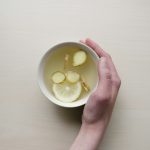
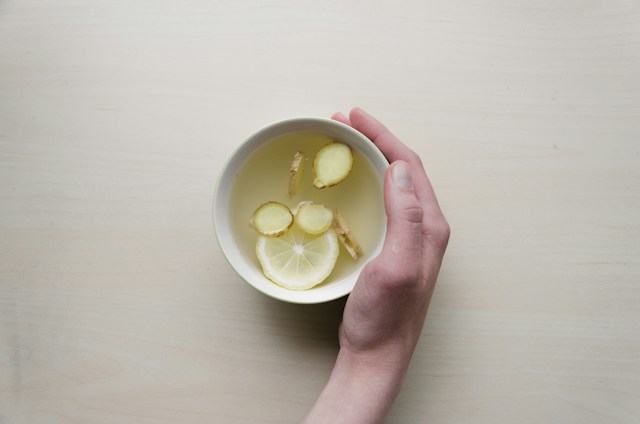
Looking for a simple way to enjoy fresh ginger at home? Learning how to make ginger tea is easy and requires only two basic ingredients: fresh ginger and water.
Ginger tea is naturally caffeine-free, warming, flavorful, and easy to customize with ingredients such as lemon, honey, cinnamon, turmeric, or mint. You can make it in just a few minutes, and you can adjust the amount of ginger and brewing time to create a mild or stronger cup.
Beyond its distinctive spicy flavor, ginger has also been studied for several health-related uses, particularly nausea and digestive symptoms. However, ginger tea should be viewed as a food or beverage rather than a treatment for a medical condition.
In this guide, you’ll learn how to make ginger tea from fresh ginger, how long to boil ginger for tea, different ways to prepare it, popular flavor combinations, potential benefits, and important safety considerations.
Quick Ginger Tea Recipe
If you simply want the recipe, here’s the easiest method.
Ingredients:
- 1–2 inches fresh ginger root
- 2 cups water
- 1–2 teaspoons honey, optional
- 1–2 teaspoons fresh lemon juice, optional
Instructions:
- Wash the fresh ginger thoroughly.
- Peel it if desired and slice it thinly.
- Add the ginger and water to a small saucepan.
- Bring the water to a gentle boil.
- Reduce the heat and simmer for 10–15 minutes.
- Strain the tea into a mug.
- Add lemon or honey according to your taste.
- Serve warm.
Prep time: 5 minutes
Cook time: 10–15 minutes
Total time: 15–20 minutes
Servings: 1–2 cups
For the best flavor, start with a small amount of ginger and increase it if you prefer a stronger, spicier tea.
What Is Ginger Tea?
Ginger tea is a simple drink made by steeping or gently simmering ginger in hot water. It can be prepared using fresh ginger root, dried ginger, or ginger powder.
When made with fresh ginger and water, ginger tea contains no caffeine. Its flavor is naturally warm, spicy, and slightly sweet, making it a popular drink during cooler weather or whenever you want a comforting beverage.
Fresh ginger contains naturally occurring compounds called gingerols and related compounds that contribute to its characteristic flavor and aroma. Ginger has been used traditionally for digestive discomfort and other health purposes for centuries, and modern research has investigated several of these uses.
The National Center for Complementary and Integrative Health (NCCIH) notes that ginger has been studied for several types of nausea and vomiting, although much of the research has involved dietary supplements rather than homemade ginger tea.
How to Make Ginger Tea From Fresh Ginger
Making fresh ginger tea at home is surprisingly simple. The key is preparing the ginger properly and giving it enough time to release its flavor into the water.
Step 1: Wash the Ginger
Start by rinsing the fresh ginger root under running water. Use your fingers or a clean vegetable brush to remove any dirt from the surface.
You can peel the ginger with a vegetable peeler or the edge of a teaspoon. Peeling is optional if the ginger is thoroughly washed, but many people prefer to remove the skin.
Step 2: Slice or Grate the Ginger
For a mild cup of tea, thinly slice the ginger.
If you want a stronger and more intense flavor, grate the ginger instead. Grating increases the surface area exposed to the water, allowing more of the ginger’s flavor to infuse into the tea.
A useful starting point is approximately 1–2 inches of fresh ginger for 2 cups of water.
Step 3: Add Ginger and Water to a Saucepan
Place the prepared ginger in a small saucepan and add about 2 cups of water.
You can adjust the ratio depending on how strong you like your tea. More ginger will create a spicier drink, while more water will make it milder.
Step 4: Simmer the Ginger
Bring the water to a gentle boil, then reduce the heat.
Allow the ginger to simmer for about 10–15 minutes.
There’s no need to boil it aggressively. A gentle simmer is enough to infuse the water with ginger’s flavor.
Step 5: Strain the Tea
Remove the saucepan from the heat and strain the tea into a mug.
If you grated the ginger, using a fine-mesh strainer can help remove smaller pieces.
Step 6: Add Lemon or Honey
Once the tea has cooled slightly, you can add honey and lemon.
Honey adds sweetness and helps balance ginger’s spicy flavor, while lemon gives the drink a bright, refreshing taste.
How Long Should You Boil Ginger for Tea?
One of the most common questions about how to make ginger tea is how long ginger should be boiled.
A good starting point is 10–15 minutes of gentle simmering.
You can adjust the time based on your preferred flavor:
| Simmering Time | Expected Flavor |
|---|---|
| 5 minutes | Mild and light |
| 10 minutes | Moderately strong |
| 15 minutes | Strong and spicy |
| 20 minutes or more | Very strong and intense |
If you’re new to fresh ginger tea, start with 10 minutes. You can always make your next batch stronger.
Keep in mind that the type, age, size, and freshness of the ginger can also affect the final flavor.
How to Make Ginger Tea Without Boiling
You don’t always need a saucepan to make fresh ginger tea.
Hot-Water Method
For a quicker preparation:
- Wash and thinly slice fresh ginger.
- Place several slices in a mug.
- Pour freshly boiled water over the ginger.
- Cover the mug.
- Let it steep for 5–10 minutes.
- Remove the ginger or strain the tea.
- Add lemon or honey if desired.
This method creates a lighter tea and is convenient when you’re making a single cup.
Grated Ginger Method
You can also grate a small amount of fresh ginger directly into a mug before adding hot water.
Because grated ginger has more surface area than sliced ginger, it can produce a stronger flavor in a shorter period.
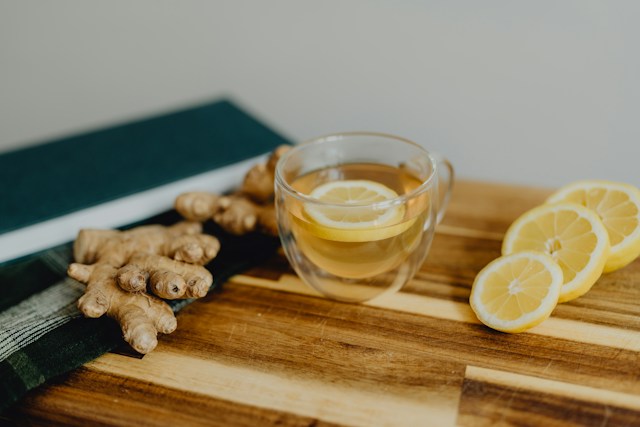
How to Make Ginger Tea Taste Better
Fresh ginger has a naturally spicy flavor that some people love, and others find too intense. Fortunately, it’s easy to customize.
Ginger and Lemon Tea
Add fresh lemon juice after brewing.
The citrus flavor complements the warmth of ginger and creates a refreshing drink.
Ginger and Honey Tea
Add a teaspoon of honey to your finished tea.
This is a simple option if you find plain ginger tea too spicy.
Ginger, Lemon, and Honey Tea
This is one of the easiest combinations to try.
Prepare your ginger tea as usual, allow it to cool slightly, then add fresh lemon juice and honey to taste.
Ginger and Cinnamon Tea
Add a small cinnamon stick while the ginger simmers.
Cinnamon gives the tea a warm, aromatic flavor that pairs particularly well with ginger.
Ginger and Turmeric Tea
For a more earthy flavor, add a small amount of turmeric while preparing the tea.
Keep in mind that turmeric and ginger have different evidence bases for health effects, so avoid treating this combination as a guaranteed remedy for inflammation or illness.
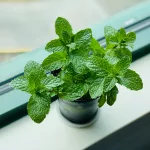
Ginger Mint Tea
Add a few fresh mint leaves after brewing.
Allow them to steep for several minutes before serving for a cooling contrast to the spicy ginger.
What Are the Potential Benefits of Ginger Tea?
Ginger has been researched for several potential health applications, but it’s important to distinguish between evidence involving ginger supplements or standardized preparations and evidence specifically involving homemade ginger tea.
May Help With Nausea
Ginger has been studied extensively for nausea, including nausea associated with pregnancy.
NCCIH reports that research suggests ginger may help with nausea and vomiting associated with pregnancy, although much of the research has examined supplements rather than food or homemade tea.
Research reviews have also found potential benefits for pregnancy-related nausea, although the quality and consistency of evidence vary between studies.
This means ginger tea may be a comforting option for some people, but it should not replace medical care when nausea or vomiting is severe or persistent.
May Support Digestive Comfort
Ginger has a long history of traditional use for digestive discomfort.
Research has examined ginger’s effects on gastrointestinal function and symptoms, but more research is needed to determine how well these findings translate to a typical cup of homemade ginger tea.
If ginger causes heartburn, stomach discomfort, or diarrhea for you, reduce the amount or stop drinking it.
Provides a Caffeine-Free Beverage Option
Plain ginger tea made with fresh ginger and water is naturally caffeine-free.
That makes it an alternative to coffee, black tea, or green tea when you want a warm beverage without caffeine.
Contains Naturally Occurring Plant Compounds
Fresh ginger contains compounds such as gingerols and shogaols that contribute to its characteristic taste and aroma.
These compounds are being studied for their biological effects, but it is important not to turn laboratory or supplement research into claims that a homemade cup of tea can prevent or cure disease.
When Is the Best Time to Drink Ginger Tea?
There isn’t one universally “best” time to drink ginger tea.
You can enjoy it:
- In the morning
- After a meal
- During cold weather
- As an afternoon caffeine-free drink
- In the evening if you tolerate ginger well
Some people enjoy ginger tea after eating because of its warming, spicy flavor and traditional association with digestion.
If ginger tends to cause heartburn or stomach irritation, however, drinking it at certain times may be uncomfortable.
How Much Ginger Tea Should You Drink?
The appropriate amount can vary depending on the strength of the tea, the amount of ginger used, and your individual tolerance.
A homemade cup of ginger tea is different from a concentrated ginger supplement. Research studies may use standardized amounts of ginger that cannot be directly translated into a specific number of cups of homemade tea.
For everyday use as a beverage, start with a mild preparation and pay attention to how your body responds.
If you’re considering consuming concentrated ginger products or large amounts regularly, especially if you take medication or have an existing medical condition, talk with a healthcare professional first.
Who Should Be Careful With Ginger Tea?
Ginger is commonly consumed as a food, but larger amounts or concentrated products may not be appropriate for everyone.
NCCIH notes that oral ginger can cause side effects such as abdominal discomfort, heartburn, diarrhea, and irritation of the mouth or throat. It also advises people taking medications to speak with a healthcare provider because herbs can interact with medicines.
Extra caution may be appropriate if you:
- Take prescription medications
- Use blood-thinning medication
- Have a medical condition that requires dietary restrictions
- Experience frequent heartburn or digestive irritation
- Are preparing for surgery
- Are pregnant or breastfeeding
Ginger Tea During Pregnancy
Ginger has been studied for pregnancy-related nausea, and research suggests it may help reduce nausea for some pregnant people. However, evidence quality varies, and the safety of different forms and doses is not identical.
The NIH Office of Dietary Supplements notes that ginger may help with nausea during pregnancy but also emphasizes that botanical products require caution during pregnancy.
If you’re pregnant and considering regular ginger tea, ginger supplements, or larger amounts of ginger, discuss it with your healthcare provider.
Common Mistakes When Making Ginger Tea
Using Too Much Ginger
More ginger doesn’t necessarily mean better tea.
Too much can make the drink extremely spicy and may cause stomach discomfort in some people.
Cutting the Ginger Too Thick
Very thick pieces can take longer to release their flavor.
Thin slices work well for simmering, while grated ginger creates a stronger infusion.
Boiling the Ginger Too Aggressively
A gentle simmer is enough. You don’t need to keep the water at a rolling boil for the entire preparation time.
Adding Too Much Honey
Honey can quickly turn a simple tea into a very sweet drink.
Start with a small amount and add more if necessary.
Making Too Much Tea
Fresh ginger tea is simple enough to make one or two servings at a time. If you prepare a larger batch, refrigerate leftovers promptly in a covered container and reheat only the amount you plan to drink.
Frequently Asked Questions About Ginger Tea
Can I make ginger tea with fresh ginger?
Yes. Fresh ginger is one of the easiest ways to make ginger tea. Simply wash and slice or grate the ginger, then simmer it in water for approximately 10–15 minutes.
How long should I boil ginger for tea?
For a flavorful cup, gently simmer fresh ginger for about 10–15 minutes. You can use a shorter time for a milder tea or a longer time for a stronger flavor.
Is it better to peel ginger before making tea?
Peeling is optional. If you wash the ginger thoroughly, you can leave the skin on. Many people peel it because they prefer the cleaner texture and appearance.
Can I drink ginger tea every day?
Many people can enjoy ginger as part of their normal diet, but individual tolerance varies. If ginger causes heartburn, diarrhea, stomach discomfort, or mouth irritation, reduce your intake or stop using it. People taking medications or using concentrated ginger products should consult a healthcare professional.
Can I add honey and lemon to ginger tea?
Yes. Honey and lemon are popular additions. Add them after brewing and adjust the amounts according to your taste.
Can I make ginger tea with ginger powder?
Yes. Ginger powder can be used when fresh ginger isn’t available. However, the flavor and strength can differ from fresh ginger, so start with a small amount and adjust as needed.
Does ginger tea contain caffeine?
Plain ginger tea made with ginger and water is naturally caffeine-free. If you add black tea, green tea, or another caffeinated tea, the finished beverage will contain caffeine.
Can I drink ginger tea before bed?
Plain ginger tea is caffeine-free, so some people enjoy it in the evening. However, ginger can cause heartburn or stomach irritation in some people. If you notice these symptoms at night, try drinking it earlier in the day.
Easy Fresh Ginger Tea Recipe Card
Fresh Ginger Tea
Ingredients
- 1–2 inches fresh ginger
- 2 cups water
- Honey, optional
- Lemon juice, optional
Directions
- Wash the ginger thoroughly.
- Peel if desired.
- Slice the ginger thinly.
- Add ginger and water to a saucepan.
- Bring to a gentle boil.
- Reduce heat and simmer for 10–15 minutes.
- Strain into a mug.
- Add honey and lemon to taste.
- Enjoy warm.
Prep: 5 minutes
Cook: 10–15 minutes
Total: 15–20 minutes
Servings: 1–2
Final Thoughts: How to Make Ginger Tea at Home
Learning how to make ginger tea doesn’t require complicated ingredients or special equipment. Fresh ginger, water, and about 10–15 minutes are enough to make a flavorful homemade drink.
Start with thinly sliced ginger and adjust the amount and brewing time according to your taste. Add lemon for brightness, honey for sweetness, cinnamon for warmth, or mint for a refreshing twist.
Ginger has also been studied for potential benefits, particularly its role in nausea, but evidence varies depending on the health concern and form of ginger being used. Homemade ginger tea should therefore be enjoyed as a beverage and not considered a replacement for professional medical treatment.
If you’re looking for another natural drink to enjoy, you may also want to explore our guides on mint leaves benefits and how much water you should drink daily. For occasional throat discomfort, see our guide to home remedies for sore throat.
Important Disclaimer
This article is for general educational and informational purposes only. Ginger tea is a food and beverage, not a medical treatment or cure. Health information can vary from person to person. If you have a medical condition, take medication, are pregnant or breastfeeding, are preparing for surgery, or have persistent or severe symptoms, consult a qualified healthcare professional before using ginger in therapeutic amounts or as a supplement.