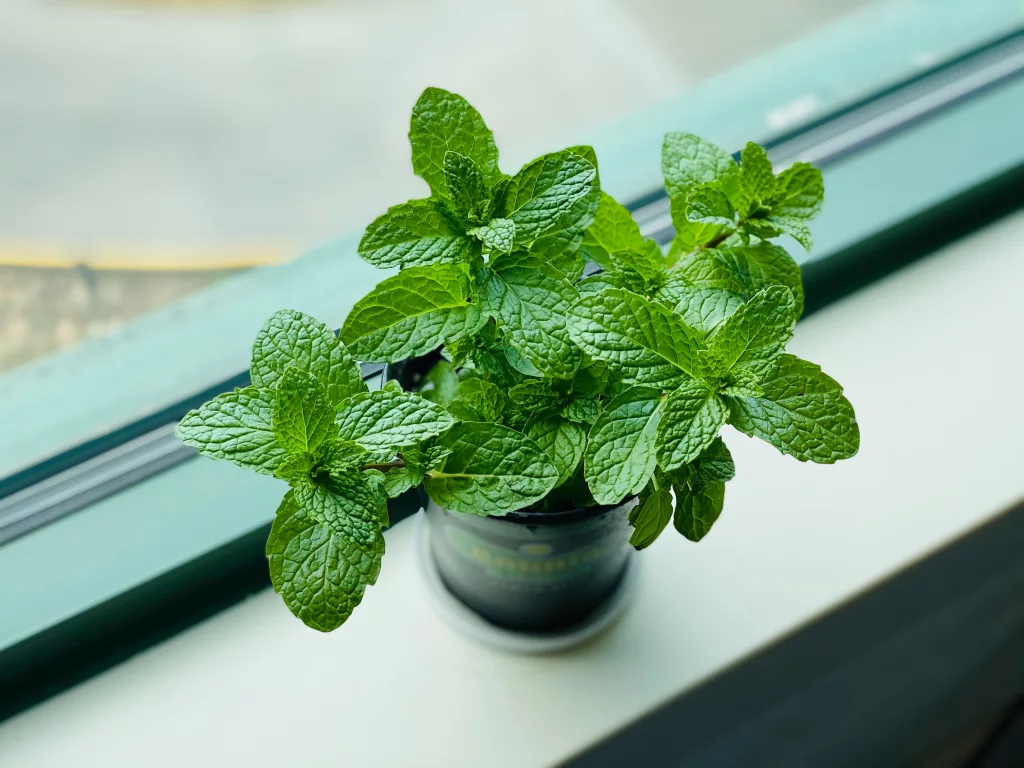
Mint is more than a refreshing garnish on your favorite dish. Its cool aroma and distinctive flavor have made it a popular herb in teas, salads, sauces, drinks, and traditional wellness practices for centuries.
But what are the actual mint leaves benefits, and what does science say about this familiar herb?
Fresh mint contains naturally occurring plant compounds and can be an easy way to add flavor to meals and beverages. Some research has also explored peppermint, particularly peppermint oil, for digestive symptoms. However, it is important to distinguish the evidence for concentrated peppermint oil from the evidence for simply eating fresh mint leaves or drinking mint tea. The National Center for Complementary and Integrative Health (NCCIH) notes that relatively little research has specifically examined peppermint leaf itself.
In this guide, we’ll explore the potential health benefits of mint leaves, practical ways to use them, how to make fresh mint tea, and important safety considerations.
Quick Answer: Mint leaves are a flavorful herb that can add plant compounds and small amounts of nutrients to your diet. They are traditionally used to support digestive comfort and freshen breath. Research is more established for certain forms of peppermint oil than for fresh mint leaves, so mint should be viewed as part of a healthy diet—not as a cure or replacement for medical treatment.
What Are Mint Leaves?
Mint refers to several aromatic herbs in the Mentha genus. Two familiar varieties are peppermint (Mentha × piperita) and spearmint (Mentha spicata).
Peppermint is a natural cross between water mint and spearmint. Mint plants have been used traditionally for digestive purposes for centuries, and both peppermint leaves and peppermint oil have been used in wellness practices.
The fresh leaves are commonly used in:
- Herbal teas
- Infused water
- Salads
- Sauces and dips
- Smoothies
- Soups
- Fruit dishes
- Yogurt-based recipes
- Meat and vegetable dishes
Mint also contains naturally occurring aromatic compounds, including menthol in peppermint. These compounds contribute to the cooling sensation and characteristic aroma associated with mint.
If you’re interested in other herbs traditionally used in food and wellness, you can also explore our articles on ginger tea benefits, guava leaves benefits, and papaya leaves benefits.
Mint Leaves Benefits at a Glance
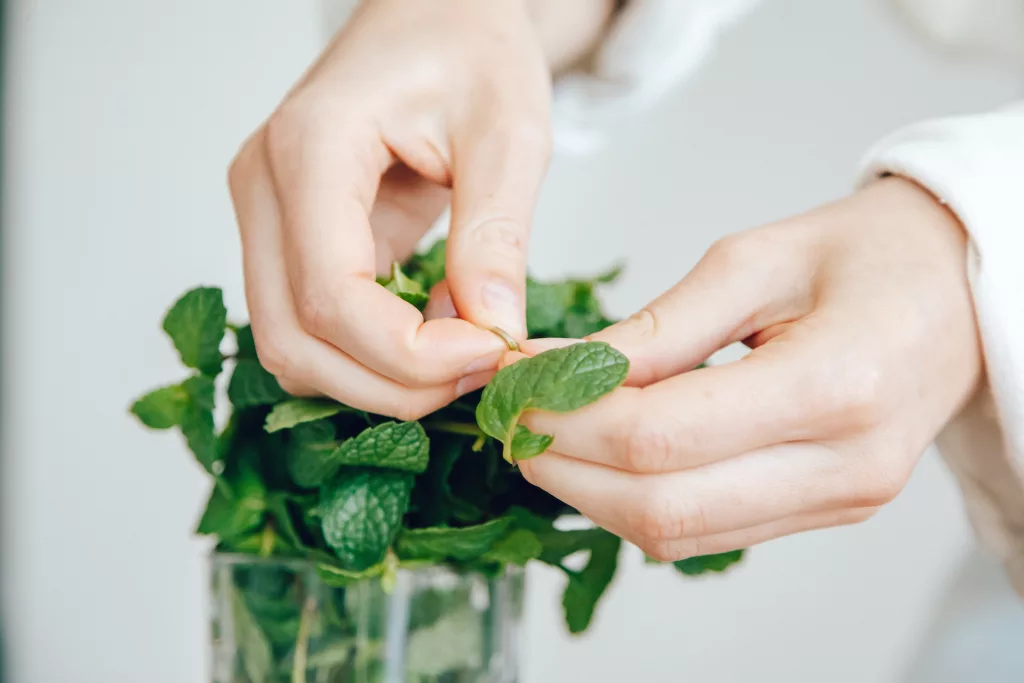
Adding fresh mint to your diet may offer several practical benefits:
- May support digestive comfort
- May help freshen breath
- Provides plant compounds with antioxidant activity
- Can add flavor without relying on added sugar
- Can make water and unsweetened beverages more appealing
- Provides small amounts of vitamins and minerals
- Adds variety to a balanced diet
- Offers a refreshing aroma and cooling sensation
- Can be used in a variety of healthy recipes
- Makes a simple caffeine-free herbal tea when prepared from mint leaves
The important point is that these benefits should not be overstated. Research on fresh mint leaves is limited compared with research on concentrated peppermint oil.
1. May Support Healthy Digestion
One of the best-known traditional mint leaves benefits is their connection with digestion.
Mint has long been used after meals and in herbal teas. Peppermint in particular has been studied for gastrointestinal symptoms.
However, there is an important distinction between mint leaves and peppermint oil.
NCCIH reports that some studies have found short-term benefits from enteric-coated peppermint oil capsules for certain symptoms of irritable bowel syndrome (IBS), including abdominal pain, bloating, and gas. The evidence is considered limited, and long-term benefits have not been established.
This does not mean that eating fresh mint leaves will produce the same results as taking peppermint oil capsules.
For everyday use, fresh mint can simply be enjoyed as part of a meal or prepared as an unsweetened herbal tea.
2. May Help Freshen Breath
Fresh mint is one of the most recognizable herbs associated with fresh breath.
Its strong aroma can help mask unpleasant odors, while the menthol found in peppermint creates the familiar cooling sensation.
This explains why mint is commonly used in chewing gum, toothpaste, mouth rinses, and other oral-care products.
Still, fresh breath and good oral health aren’t the same thing.
Mint may temporarily improve the way your breath smells, but it doesn’t replace brushing twice a day, cleaning between your teeth, or visiting your dentist regularly.
If persistent bad breath is a concern, it’s better to address the underlying cause rather than simply masking the odor with mint.
3. Mint Leaves Provide Beneficial Plant Compounds
Another potential fresh mint benefit is its contribution of naturally occurring plant compounds.
Plant foods contain various bioactive compounds that can contribute to dietary diversity. Mint contains polyphenols and other phytochemicals that researchers have investigated for their biological activity.
However, laboratory findings about antioxidant or other plant-compound activity should not automatically be interpreted as proof that eating mint prevents or treats a particular disease.
The NIH explains that nutrient and food databases, including USDA FoodData Central, are useful resources for understanding the nutrient content of foods.
The bigger nutritional picture matters, too. Mint works best as one small part of a varied diet that includes vegetables, fruits, whole grains, legumes, nuts, seeds, and other nutrient-dense foods.
4. May Help Soothe Occasional Digestive Discomfort
A warm cup of mint tea after a meal is a simple traditional way to enjoy the herb.
Peppermint’s cooling and aromatic qualities may make it especially appealing after eating. Some research on peppermint preparations has investigated symptoms such as abdominal discomfort and bloating.
But the evidence needs to be interpreted carefully.
NCCIH notes that peppermint oil may provide modest short-term relief for some IBS symptoms, while also pointing out that peppermint oil can cause side effects such as reflux and heartburn in some people.
So, if you enjoy mint tea, consider it a comforting beverage—not a treatment for a diagnosed digestive disorder.
If you regularly experience abdominal pain, persistent bloating, reflux, changes in bowel movements, or other digestive symptoms, talk with a qualified healthcare professional.
5. Adds Flavor Without Much Fuss
One underrated benefit of mint is how easily it can make simple foods more flavorful.
Instead of relying heavily on sugary sauces or calorie-dense dressings, you can use fresh herbs to add aroma and flavor.
Try adding chopped mint to:
- Cucumber salads
- Fresh fruit
- Plain yogurt
- Vegetable dishes
- Grain bowls
- Homemade salsa
- Bean salads
- Roasted vegetables
This makes mint particularly useful for people who want to make healthy meals more enjoyable without making them complicated.
6. Can Make Water More Enjoyable
Plain water can become boring. Fresh mint offers an easy way to add aroma and flavor.
Simply add washed mint leaves to a pitcher of cold water. You can combine them with:
- Lemon
- Lime
- Cucumber
- Strawberries
- Orange slices
- Fresh ginger
Unlike sweetened beverages, plain mint-infused water doesn’t require added sugar.
This can be a simple way to make water more appealing throughout the day.
7. Provides Small Amounts of Nutrients
Fresh herbs can contribute nutrients to your overall diet, although they are usually consumed in relatively small quantities.
Mint contains various vitamins and minerals, but it is more useful to think of it as a nutrient-containing herb rather than a major source of any single nutrient.
For example, vitamin C is an important antioxidant nutrient found in many fruits and vegetables, and the NIH recommends obtaining vitamin C primarily through a varied diet.
In other words, don’t rely on a few mint leaves to meet your nutritional needs. Use them alongside a broad range of healthy foods.
8. Offers a Refreshing Aroma and Cooling Sensation
Sometimes the appeal of mint is simply sensory.
Peppermint contains menthol, which creates the characteristic cooling sensation associated with the herb.
That refreshing quality makes mint particularly popular in:
- Summer beverages
- Herbal teas
- Homemade drinks
- Salads
- Desserts
- Oral-care products
It’s a simple example of how herbs can contribute to the enjoyment of food without needing to be marketed as miracle ingredients.
9. Supports a More Varied, Plant-Rich Diet
Healthy eating doesn’t have to mean eating the same foods every day.
Fresh herbs such as mint can introduce new flavors and encourage people to experiment with vegetables, fruits, whole grains, legumes, and other nutritious foods.
Try using mint in a Mediterranean-inspired salad, adding it to a grain bowl, or mixing it with yogurt and cucumber for a simple dip.
Small changes like these can make healthy eating more interesting and sustainable.
10. Can Be Enjoyed as a Simple Herbal Tea
One of the easiest ways to enjoy the benefits of mint leaves is by making fresh mint tea.
Mint tea made from leaves is generally considered safe for most people. However, NCCIH notes that long-term safety data on consuming large amounts of peppermint leaf are limited.
How to Make Mint Tea From Fresh Mint Leaves
You don’t need expensive equipment.
Ingredients:
- A handful of fresh mint leaves
- 1 cup of hot water
- Lemon, optional
- Honey, optional
Directions:
- Rinse the mint leaves thoroughly under clean running water.
- Lightly crush or tear the leaves to release their aroma.
- Place the leaves in a cup.
- Pour hot water over the mint.
- Let it steep for about 5–10 minutes.
- Strain the leaves if desired.
- Add lemon or a small amount of honey if you prefer.
For a lower-sugar option, enjoy the tea without added sweeteners.
Fresh Mint Leaves vs. Mint Tea vs. Peppermint Oil
These products shouldn’t be treated as interchangeable.
| Form | Common Use | What to Know |
| Fresh mint leaves | Cooking, salads, drinks | Mild and versatile |
| Mint tea | Herbal beverage | Usually caffeine-free when made only from mint |
| Peppermint oil | Concentrated herbal product | Much stronger than fresh leaves |
| Peppermint capsules | Studied for some digestive symptoms | Should be used according to appropriate guidance |
This distinction is particularly important when reading online claims about mint leaves benefits.
Research involving concentrated peppermint oil cannot automatically be used to claim that fresh mint leaves have the same medical effects. NCCIH specifically notes that very little research has been done on peppermint leaf itself.
Are There Any Mint Leaves Side Effects?
For most people, culinary amounts of fresh mint are unlikely to cause problems.
However, mint isn’t necessarily suitable for everyone.
Peppermint products can cause side effects including:
- Heartburn
- Acid reflux
- Nausea
- Abdominal discomfort
- Dry mouth
- Allergic reactions in rare cases
These concerns are particularly relevant to concentrated peppermint oil rather than ordinary culinary use.
People with gastroesophageal reflux disease (GERD) may want to be especially cautious. NCCIH advises people with GERD to consult their healthcare provider before using complementary health products.
What About Peppermint Oil?
Don’t confuse fresh mint leaves with peppermint essential oil.
Essential oils are highly concentrated. They are not equivalent to eating a few mint leaves or drinking mint tea.
Peppermint oil can also cause problems when used incorrectly. NCCIH warns that menthol-containing peppermint oil should not be applied to the face of infants or young children because inhalation can cause serious breathing problems.
If you’re considering peppermint oil or another concentrated herbal product, speak with a healthcare professional first—especially if you’re pregnant, breastfeeding, taking medications, or managing an existing health condition.
Who Should Be Careful With Mint?
Consider getting professional advice before using concentrated mint or peppermint products if you:
- Have GERD or frequent heartburn
- Have a known allergy or sensitivity to mint
- Are considering peppermint oil supplements
- Are giving herbal products to a child
- Are pregnant or breastfeeding
- Take prescription medications
- Have an ongoing digestive condition
Again, enjoying a few fresh mint leaves in food is very different from taking concentrated herbal supplements.
Frequently Asked Questions About Mint Leaves Benefits
What are the main mint leaves benefits?
Mint leaves can add flavor and naturally occurring plant compounds to your diet. They are also traditionally used in beverages and meals for their refreshing taste and digestive appeal. However, research on fresh mint leaves specifically is limited.
Can you eat mint leaves every day?
Fresh mint can generally be eaten as a culinary herb. However, there isn’t enough evidence to establish a specific amount that everyone should consume daily. If you’re using concentrated mint products, seek appropriate professional guidance.
What does mint do for your stomach?
Mint is traditionally used after meals and in herbal teas. Some evidence supports short-term use of certain peppermint oil preparations for IBS symptoms, but this evidence should not be generalized to fresh mint leaves.
Is mint tea good for you?
Unsweetened mint tea can be a refreshing, caffeine-free beverage when made from mint alone. It can also be an easy way to enjoy mint without adding many calories or sugar.
Can mint leaves help with bad breath?
Mint’s strong aroma and menthol can provide a refreshing sensation and help mask unpleasant odors. However, persistent bad breath may require dental or medical evaluation.
Can I drink mint water every day?
For most people, drinking water infused with a modest amount of fresh mint is a simple way to add flavor. If mint triggers heartburn or other symptoms, reduce or avoid it.
Are mint leaves and peppermint the same?
Not exactly. Peppermint is one type of mint. Spearmint is another. They have different flavor profiles and contain different proportions of naturally occurring compounds.
Is fresh mint better than dried mint?
Neither is automatically “better.” Fresh mint provides a bright flavor and is excellent for drinks and salads, while dried mint is convenient for cooking. The best choice depends on how you’re using it.
Final Thoughts on Mint Leaves Benefits
The mint leaves benefits story is more nuanced than many online health articles suggest.
Fresh mint is a flavorful and versatile herb that can easily become part of a balanced diet. It can make water, tea, salads, vegetables, sauces, and other meals more enjoyable. It also contains naturally occurring plant compounds and small amounts of nutrients.
There is some evidence for specific peppermint preparations, particularly enteric-coated peppermint oil for short-term relief of certain IBS symptoms. But that research should not be interpreted as proof that fresh mint leaves can treat digestive diseases or other health conditions.
The simplest approach is often the best: use fresh mint as an herb, enjoy it in your favorite healthy foods and beverages, and avoid treating it as a miracle cure.
If you’re interested in learning more about herbs and traditional plant-based wellness, explore more articles in The PlantTube’s Medicinal Plants and Home Remedies sections.
Health Disclaimer
This article is for educational and informational purposes only and is not intended to provide medical advice, diagnose a health condition, or replace professional medical care. Research on mint varies depending on the type of mint and preparation being studied. Evidence involving concentrated peppermint oil should not automatically be applied to fresh mint leaves or mint tea. If you have a medical condition, take medication, are pregnant or breastfeeding, or are considering concentrated herbal products, consult a qualified healthcare professional before use.