Feeling tired all the time, getting headaches, or becoming unusually short of breath can be easy to dismiss as stress or lack of sleep. But sometimes, these symptoms may be connected to low iron.
Knowing the signs of iron deficiency can help you recognize when it may be worth talking with a healthcare professional. Iron is an essential mineral that your body uses to make hemoglobin, a protein in red blood cells responsible for carrying oxygen throughout the body. When your body does not have enough iron, your iron stores can become depleted and, if the deficiency progresses, iron-deficiency anemia may develop.
The important thing to remember is that symptoms alone cannot confirm an iron deficiency. Many of the symptoms associated with low iron can also occur with other health conditions.
So, what are the common iron deficiency symptoms, what causes low iron, and how can you find out whether your iron levels are actually low?

Let’s take a closer look.
What Is Iron Deficiency?
Iron deficiency occurs when your body does not have enough iron to meet its needs. Iron is needed for hemoglobin production and also plays roles in muscle and other body functions.
Iron deficiency and iron-deficiency anemia are related, but they are not exactly the same thing.
You can have depleted iron stores before developing anemia. As iron deficiency becomes more severe, the body may eventually struggle to produce enough hemoglobin and healthy red blood cells. This can result in iron-deficiency anemia, the most common type of anemia.
Some people with mild or moderate iron-deficiency anemia may have few or no obvious symptoms. Symptoms can become more noticeable as the condition becomes more severe.
10 Signs of Iron Deficiency to Know
Here are some of the most commonly reported signs of low iron and iron-deficiency anemia.
1. Persistent Fatigue and Low Energy
One of the most common iron deficiency symptoms is feeling unusually tired.
You might notice that everyday activities require more effort than they used to. You may feel exhausted after work, struggle to exercise, or wake up feeling as though you have not rested enough.
Iron is necessary for hemoglobin, which carries oxygen around your body. When iron-deficiency anemia develops, your blood may have a reduced ability to deliver oxygen to tissues. This can contribute to tiredness and weakness.
However, fatigue is extremely common and does not automatically mean you have low iron. Poor sleep, stress, infections, nutritional deficiencies, thyroid problems, and other conditions can also cause persistent tiredness.
2. Weakness or Reduced Stamina
Another possible sign of iron deficiency is feeling physically weak or having less stamina than usual.
Activities that were previously easy may suddenly feel more demanding. You might also notice that you tire quickly when walking, exercising, climbing stairs, or doing household tasks.
This can be especially noticeable when anemia becomes more significant because the body has less oxygen available for normal activity.
If unexplained weakness continues, consider speaking with a healthcare professional rather than assuming you simply need more rest.
3. Shortness of Breath
Feeling short of breath during normal activities can be another possible symptom of iron-deficiency anemia.
For example, you may notice yourself becoming unusually breathless while walking quickly, climbing stairs, or exercising.
Because shortness of breath can have many causes, including heart and lung conditions, it should not automatically be blamed on low iron.
Seek urgent medical attention for severe, sudden, or unexplained breathing difficulty, especially if it occurs with chest pain, fainting, or other serious symptoms.
4. Headaches or Dizziness
Headaches, dizziness, and lightheadedness are also among the symptoms that may occur with anemia.
You may experience:
- Frequent headaches
- Feeling lightheaded when standing
- Occasional dizziness
- Feeling unsteady
- In more severe cases, fainting
These symptoms can also be caused by dehydration, low blood pressure, migraines, medications, and other health conditions.
If dizziness is frequent or severe, it is better to investigate the underlying cause instead of assuming it is an iron problem.
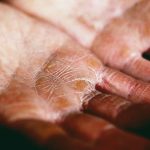
5. Pale Skin
Changes in skin color can sometimes be one of the signs of low iron, particularly when iron deficiency has progressed to anemia.
A person with anemia may look paler than usual. Healthcare professionals may also look at areas such as the tongue or other tissues when evaluating someone for anemia.
Pale skin alone, however, is not enough to determine whether you have an iron deficiency.
6. Noticeable or Fast Heartbeat
Some people with iron-deficiency anemia may experience noticeable heartbeats or palpitations. The NHS lists noticeable heartbeats among symptoms of iron-deficiency anemia.
You may describe this as feeling like your heart is:
- Beating faster than normal
- Pounding
- Fluttering
- More noticeable than usual
Because heart palpitations can have many causes, persistent or concerning symptoms should be medically evaluated.
7. Feeling Cold, Especially in Your Hands and Feet
Feeling unusually cold may also occur alongside anemia.
Some people with iron-deficiency anemia report cold hands and feet. The National Heart, Lung, and Blood Institute lists cold hands and feet among possible symptoms of iron-deficiency anemia.
Still, this is a nonspecific symptom. Cold sensitivity can occur for many other reasons, so it should be considered together with other symptoms and risk factors.
8. Brittle or Spoon-Shaped Nails
Changes in your nails can sometimes provide another clue.
Iron-deficiency anemia can be associated with nail changes, including spoon-shaped nails, medically known as koilonychia.
You may notice that your nails become:
- Thin
- Brittle
- Easily broken
- Unusually shaped
Nail changes are not always caused by iron deficiency, so they should not be used as a diagnosis on their own.
9. Hair Loss
Unexpected hair shedding may also occur in people with iron deficiency.
If you notice considerably more hair coming out when brushing or washing it, it may be worth discussing with a healthcare professional, particularly if you also have fatigue, weakness, heavy menstrual bleeding, or other symptoms.
The NHS lists hair loss as a less common symptom associated with iron-deficiency anemia.
Keep in mind that hair loss can have many causes, including stress, hormonal changes, genetics, medications, and other nutritional or medical conditions.
10. Unusual Cravings and Pica
One of the more unusual signs of iron deficiency is pica.
Pica is a condition involving cravings for or consumption of substances that do not provide nutritional value. Some people may crave ice, paper, dirt, clay, or other non-food substances.
A particularly unusual craving is a strong desire to chew ice, sometimes called pagophagia.
The NHS lists pica, including wanting to eat items such as ice or paper, among less common symptoms of iron-deficiency anemia.
If you experience persistent cravings for non-food substances, talk with a healthcare professional rather than simply trying to satisfy the craving.
Early Signs of Iron Deficiency Can Be Easy to Miss
One reason iron deficiency can go unnoticed is that the early symptoms may be subtle.
You may simply feel:
- More tired than usual
- Less energetic
- Less able to exercise
- More easily distracted
- Occasionally dizzy
- Colder than usual
Some people with mild or moderate iron-deficiency anemia may have no symptoms at all.
This is why symptoms should be viewed as clues rather than proof.
If you have several symptoms together or have risk factors for iron deficiency, a healthcare professional can determine whether blood testing is appropriate.
Signs of Low Iron in Women
Women can have an increased risk of iron deficiency because of menstrual blood loss and increased iron requirements during pregnancy.
Heavy menstrual bleeding is an important potential cause of iron deficiency. Pregnancy can also increase the body’s need for iron.
If you experience unusually heavy periods along with persistent fatigue, weakness, dizziness, or shortness of breath, it is worth discussing these symptoms with a healthcare professional.
Heavy menstrual bleeding should not simply be accepted as something you have to live with, particularly when it affects your daily life or may be contributing to anemia.
Signs of Iron Deficiency in Men
Iron deficiency can also occur in men.
Possible causes include inadequate dietary iron intake, problems absorbing iron, frequent blood loss, and gastrointestinal bleeding.
Unexplained iron deficiency in an adult man deserves particular attention because identifying the underlying reason for the deficiency is important.
Iron deficiency is not simply a condition that should always be treated by taking more iron. The cause needs to be considered.
What Causes Iron Deficiency?
There are several possible iron deficiency causes.
Not Getting Enough Iron
A diet that does not provide enough iron can contribute to low iron levels.
Iron can be found in foods such as meat, seafood, poultry, beans, lentils, spinach, peas, nuts, dried fruit, and iron-fortified cereals and breads.
If you eat mostly plant-based foods, it can be especially useful to pay attention to your overall iron intake and discuss nutritional needs with a qualified healthcare professional or dietitian when appropriate.
Blood Loss
Blood loss is another important cause.
Potential sources include:
- Heavy menstrual bleeding
- Gastrointestinal bleeding
- Certain stomach or intestinal conditions
- Surgery or injury
- Frequent blood donation
The body loses iron when it loses blood.
Increased Iron Requirements
Your body may require more iron during certain stages of life.
Pregnancy is one example because iron requirements increase during this period. Children and teenagers may also have increased nutritional requirements during periods of rapid growth.
Problems Absorbing Iron
Even if you eat enough iron, your body may not absorb enough.
Certain gastrointestinal conditions, including celiac disease, Crohn’s disease, ulcerative colitis, and Helicobacter pylori infection, can be associated with problems involving iron absorption or iron status.
This is another reason why simply taking an iron supplement may not address the underlying problem.
What Foods Are High in Iron?
Food can be an important part of maintaining healthy iron intake.
Heme Iron Foods
Heme iron is found primarily in animal foods, including:
- Lean meat
- Poultry
- Seafood
Non-Heme Iron Foods
Plant-based sources include:
- Lentils
- Beans
- Spinach
- Peas
- Nuts
- Dried fruits
- Iron-fortified cereals and breads
The NIH and MedlinePlus provide additional information about dietary iron sources and iron requirements.
If you’re interested in plant-based nutrition, you can also explore our guides to guava leaves benefits, papaya leaves benefits, and mint leaves benefits.
Remember that a plant or herbal ingredient should not be presented as a replacement for medical treatment of confirmed iron-deficiency anemia.
How Can You Support Iron Absorption?
Getting enough iron from your diet is only part of the picture. Your body also needs to absorb that iron.
One practical strategy is to combine iron-containing foods with foods rich in vitamin C.
For example, you might pair:
- Lentils with tomatoes
- Beans with bell peppers
- Spinach with citrus fruits
- Iron-fortified cereal with strawberries
Dietary patterns, individual health conditions, and the type of iron consumed can all affect absorption.
Some beverages and foods can also interfere with the absorption of non-heme iron. If you’re concerned about iron deficiency, ask a healthcare professional or dietitian about how to structure meals around your individual needs.
How Is Iron Deficiency Diagnosed?
You cannot reliably diagnose iron deficiency based on symptoms alone.
If your healthcare professional suspects iron deficiency or anemia, they may recommend blood tests.
A complete blood count (CBC) can evaluate red blood cells, hemoglobin, hematocrit, and other blood measurements. Additional tests may be used to evaluate iron status, including ferritin and blood iron measurements.
Depending on your symptoms and medical history, your healthcare professional may also investigate potential causes of blood loss or problems with absorption.
This is important because treating the low iron without finding out why it is low may leave the underlying problem unresolved.
Should You Take Iron Supplements?
If testing confirms iron deficiency or iron-deficiency anemia, a healthcare professional may recommend iron supplementation.
However, taking iron simply because you feel tired is not always a good idea.
Too much iron can be harmful. Excessive iron supplementation can cause gastrointestinal symptoms such as constipation, nausea, vomiting, abdominal pain, and diarrhea, and very high levels can cause serious organ damage.
For that reason, avoid taking high-dose iron supplements without appropriate medical guidance.
If you are prescribed iron, follow the recommended dose and instructions. Some people experience side effects from oral iron, and a healthcare professional can help determine the best approach.
When Should You See a Healthcare Professional?
Consider talking with a healthcare professional if you have persistent or unexplained:
- Fatigue
- Weakness
- Dizziness
- Headaches
- Shortness of breath
- Heart palpitations
- Pale skin
- Hair loss
- Unusual cravings
- Heavy menstrual bleeding
You should also seek medical advice if you believe you may have blood loss or if your symptoms are getting worse.
Severe shortness of breath, chest pain, fainting, or other sudden serious symptoms require prompt medical attention.
Iron Deficiency vs. Other Possible Causes
It is tempting to see a list of symptoms online and conclude that low iron is the answer. But symptoms such as tiredness, headaches, dizziness, and hair loss are not unique to iron deficiency.
For example, fatigue can be associated with sleep problems, stress, infections, thyroid disorders, other nutritional deficiencies, and numerous other conditions.
That is why the best approach is not to ask only, “Do I have the signs of iron deficiency?”
A better question is:
“Could iron deficiency explain my symptoms, and should I get evaluated?”
Blood testing and a review of your medical history can help answer that question.
Frequently Asked Questions About Signs of Iron Deficiency
What are the first signs of iron deficiency?
Early signs can be subtle and may include unusual tiredness, reduced energy, weakness, headaches, or reduced exercise tolerance. Some people may have no noticeable symptoms, especially when anemia is mild.
How do you know if your iron is low?
The most reliable way to determine whether you have iron deficiency is through appropriate medical evaluation and blood testing. Tests may include a CBC, hemoglobin measurement, and iron-related tests such as ferritin.
Can you have iron deficiency without anemia?
Yes. Iron stores can become depleted before a person develops iron-deficiency anemia. This is one reason symptoms alone may not tell the whole story.
What does low iron feel like?
People with iron deficiency or iron-deficiency anemia may experience fatigue, weakness, headaches, dizziness, shortness of breath, cold hands and feet, or other symptoms. Some people have no symptoms.
Can iron deficiency cause hair loss?
Hair loss can occur with iron-deficiency anemia, but it has many other possible causes. If hair shedding is persistent or significant, consider discussing it with a healthcare professional.
Is being tired always a sign of low iron?
No. Fatigue is common and can have many causes. Iron deficiency is only one possibility.
What foods are high in iron?
Good dietary sources include lean meat, poultry, seafood, beans, lentils, spinach, peas, nuts, dried fruits, and iron-fortified cereals and breads.
Should I take an iron supplement if I feel tired?
Not necessarily. Because excessive iron can be harmful, it is better to determine whether iron deficiency is actually present and discuss supplementation with a healthcare professional.
Key Takeaways
The most important signs of iron deficiency to know include:
- Persistent fatigue or low energy
- Weakness
- Shortness of breath
- Headaches or dizziness
- Pale skin
- Noticeable heartbeats
- Cold hands and feet
- Brittle or spoon-shaped nails
- Hair loss
- Unusual cravings, including pica
However, these symptoms can have many different causes.
If you suspect your iron is low, don’t rely on symptoms alone. A healthcare professional can determine whether blood tests are appropriate and investigate why your iron may be low.
Eating a varied diet that includes iron-rich foods can help support adequate iron intake, but confirmed iron-deficiency anemia may require medical treatment.
Want to learn more about nutrition, medicinal plants, and natural approaches to supporting your health? Explore more evidence-informed articles here at The PlantTube.
Medical Disclaimer
This article is intended for general educational and informational purposes only. It is not a substitute for professional medical advice, diagnosis, or treatment.
The symptoms discussed above can have many possible causes and do not confirm iron deficiency or anemia. If you are experiencing persistent, severe, or worsening symptoms, speak with a qualified healthcare professional.
Do not start high-dose iron supplements without appropriate medical guidance. Excess iron can be harmful, and the underlying cause of iron deficiency should be identified when possible.
Sources
For additional information about iron deficiency, anemia, diagnosis, and dietary iron, readers can consult:
- NIH Office of Dietary Supplements — Iron
- National Heart, Lung, and Blood Institute — Iron-Deficiency Anemia
- National Heart, Lung, and Blood Institute — Anemia Diagnosis
- MedlinePlus — Iron
- NHS — Iron Deficiency Anaemia